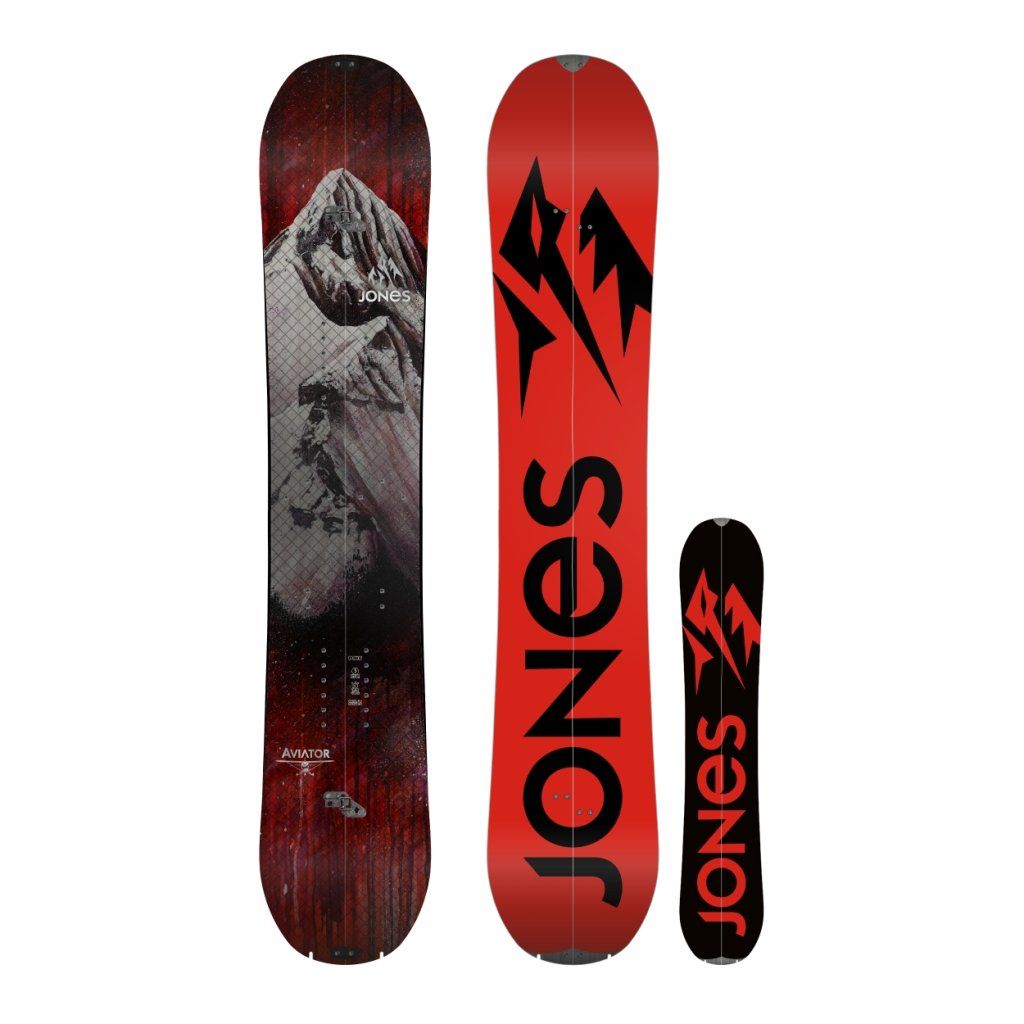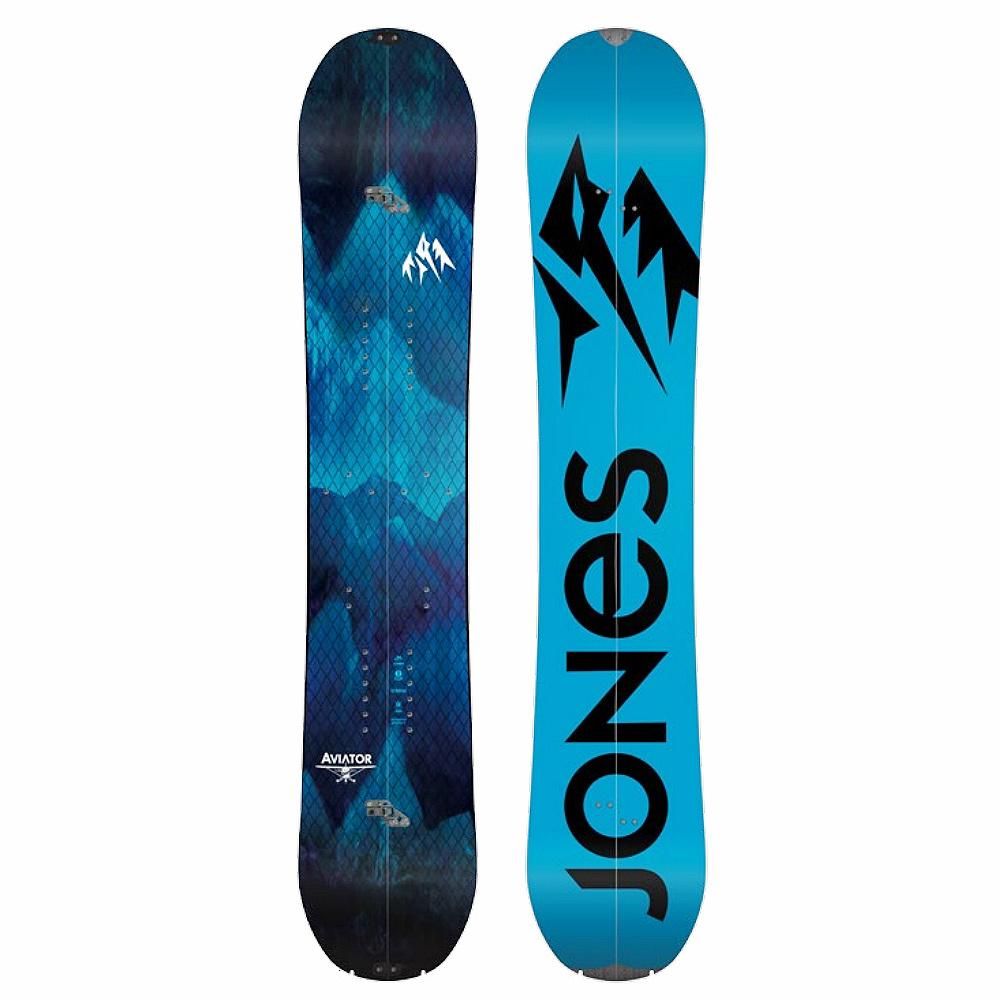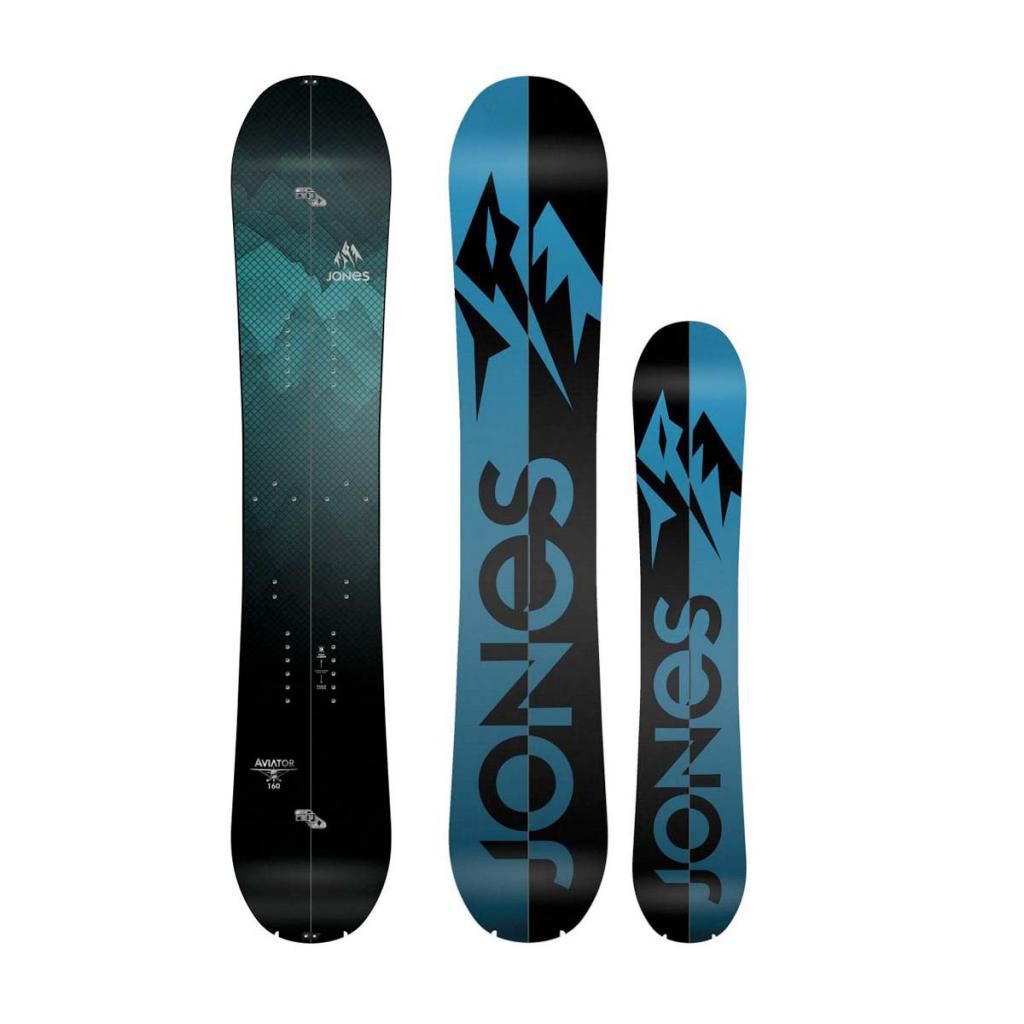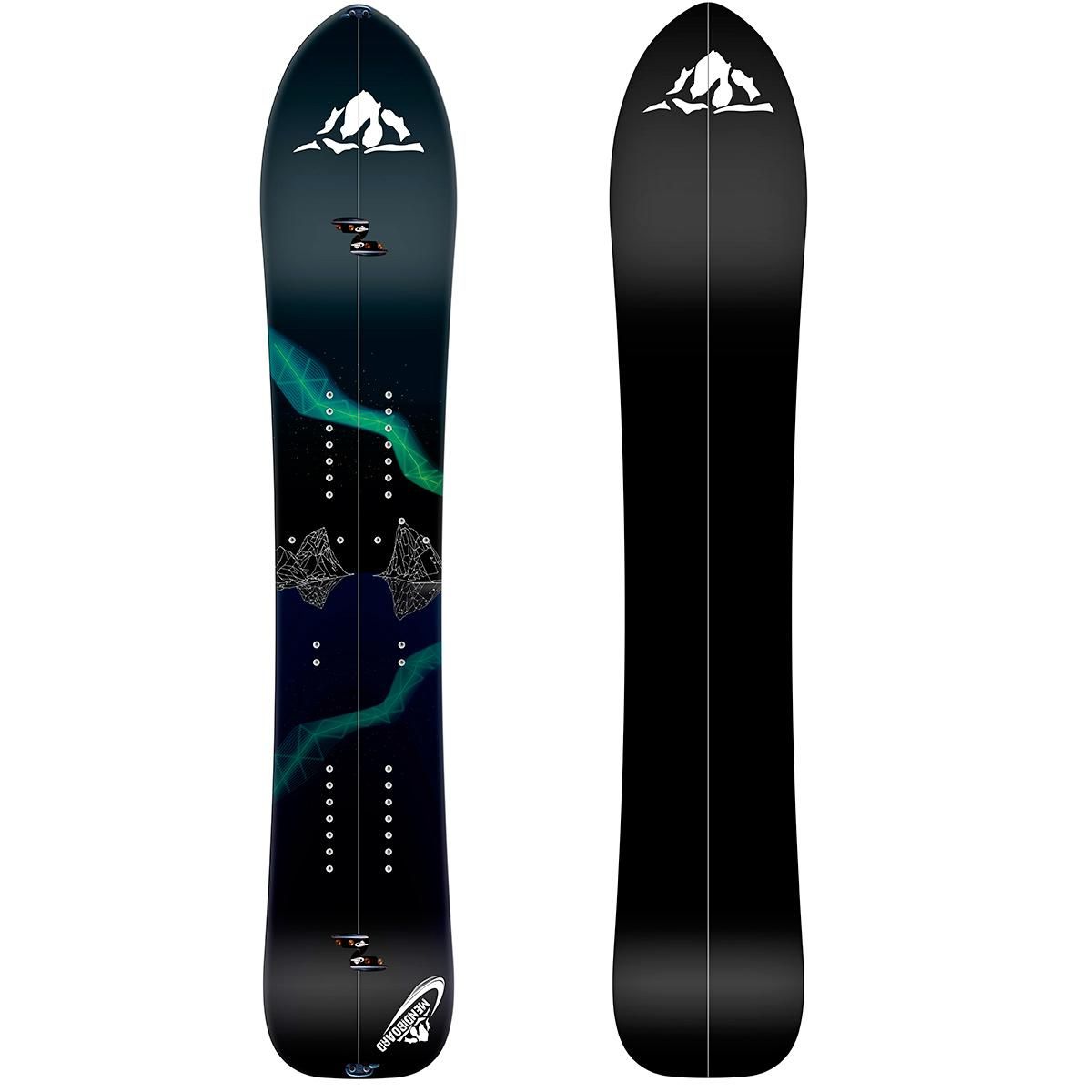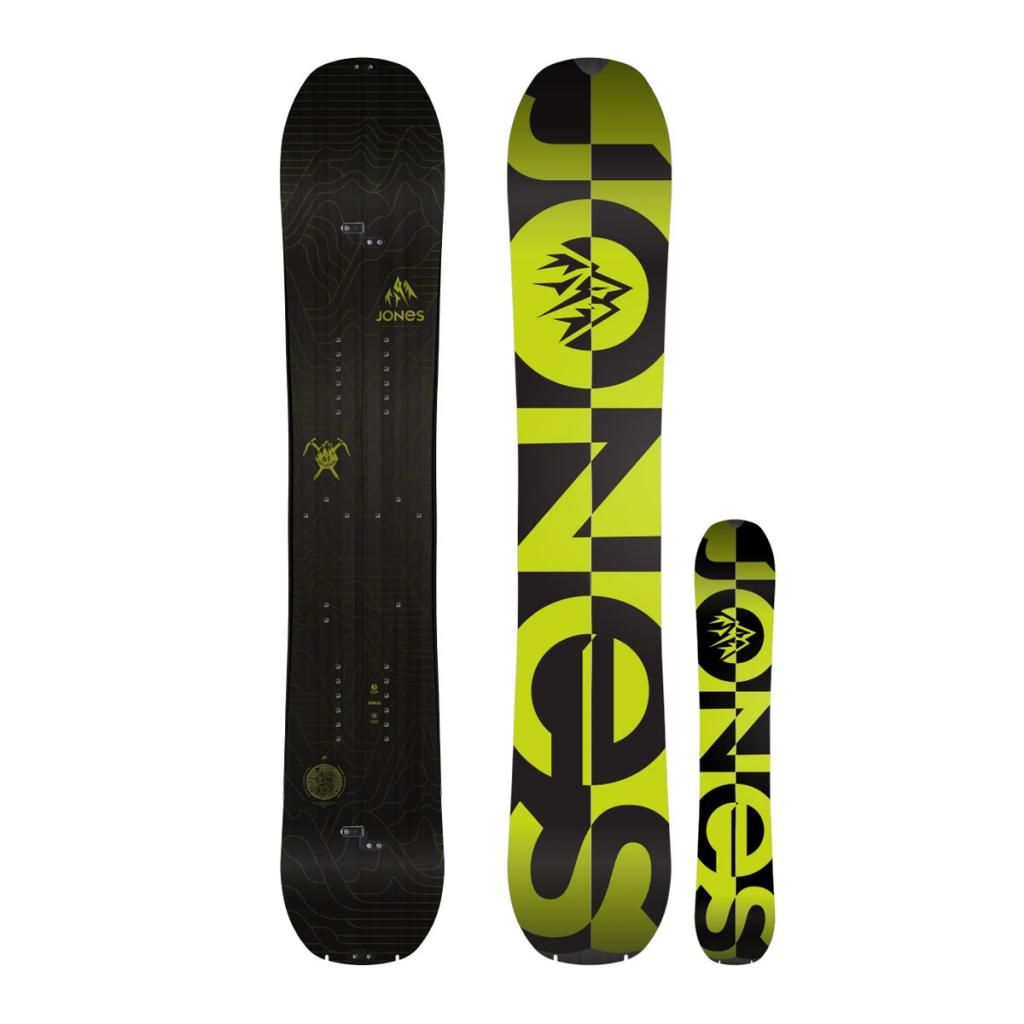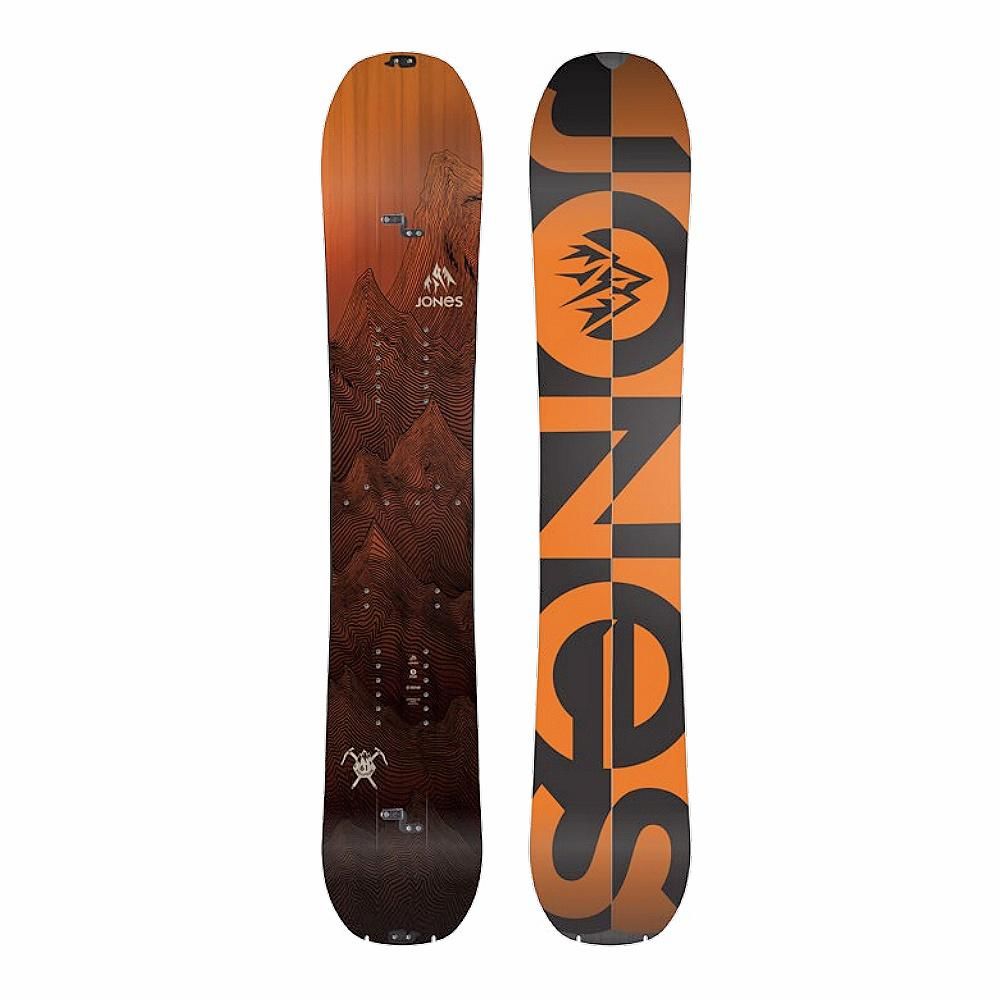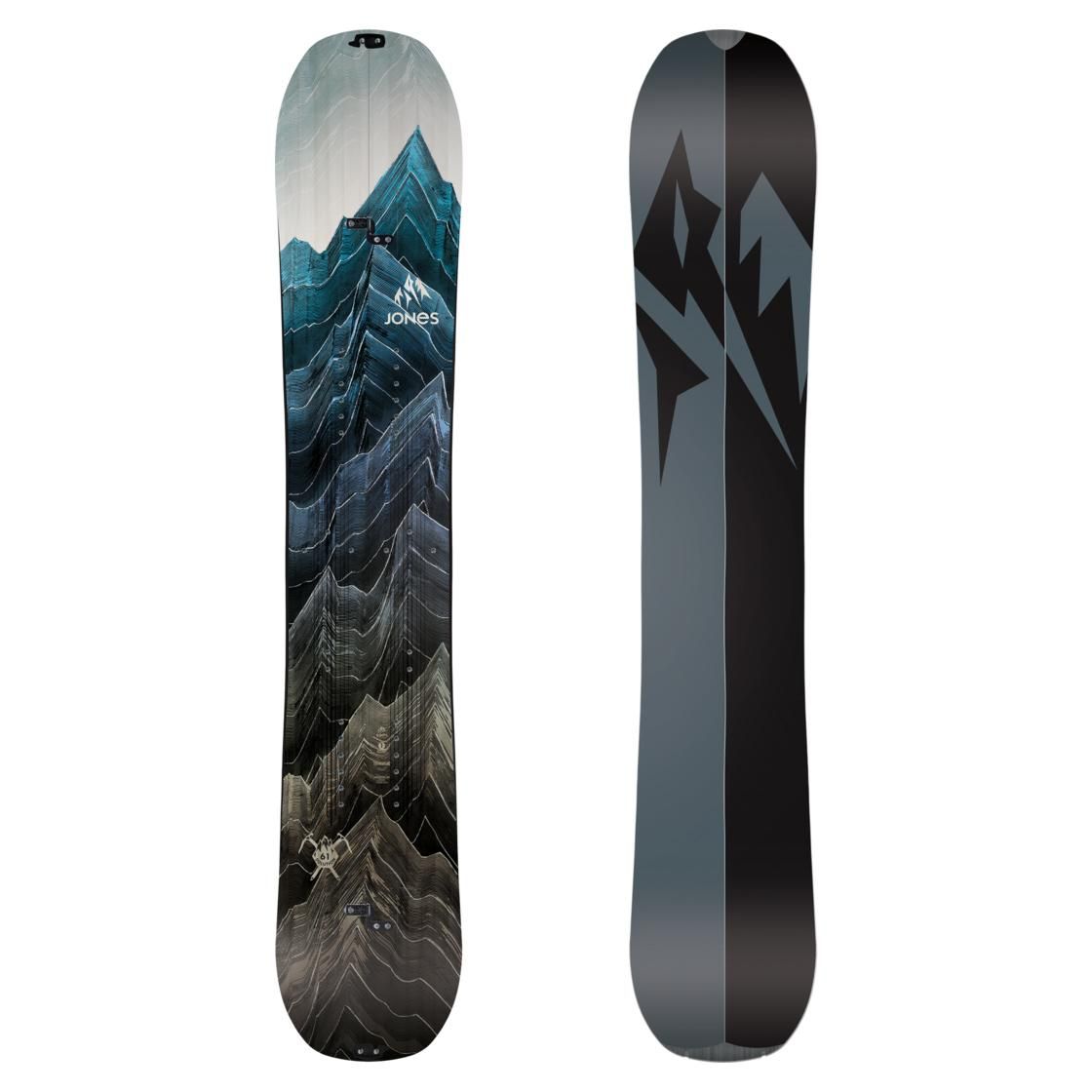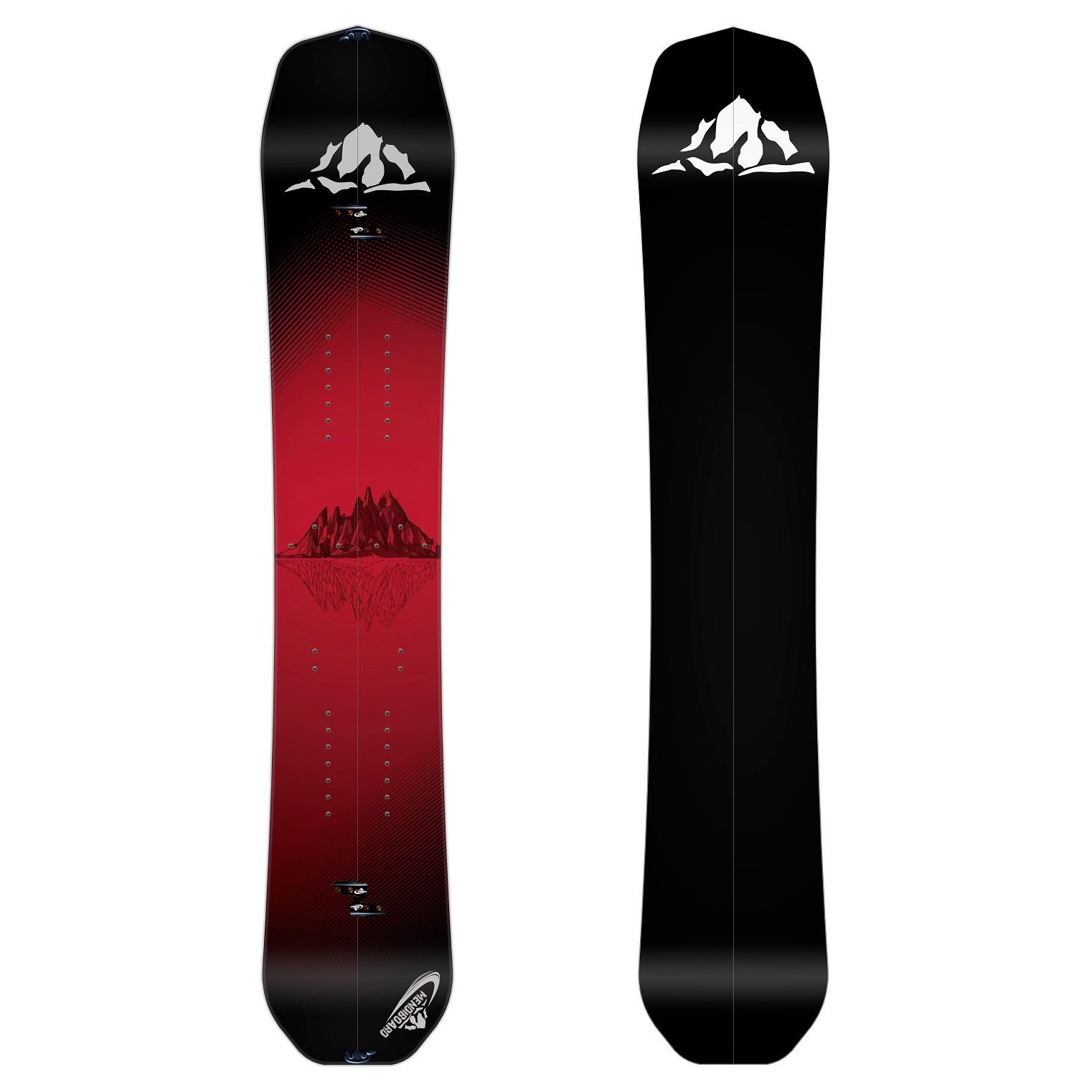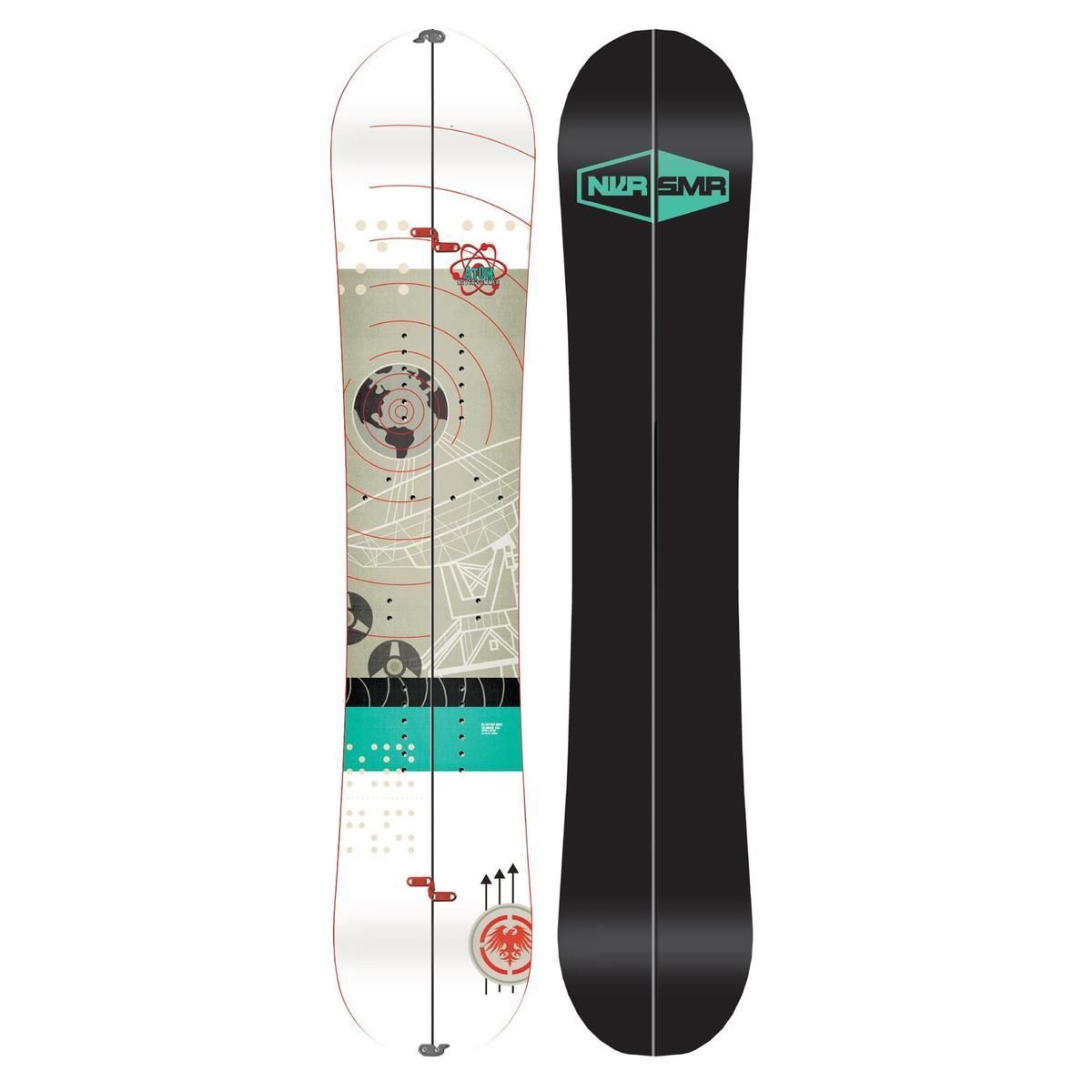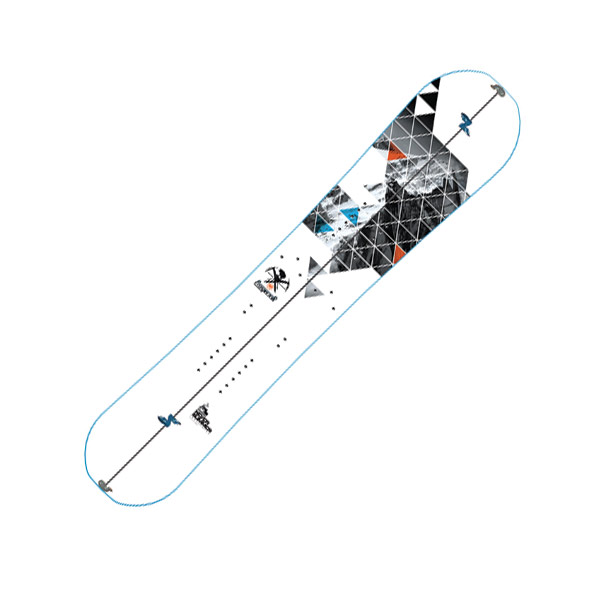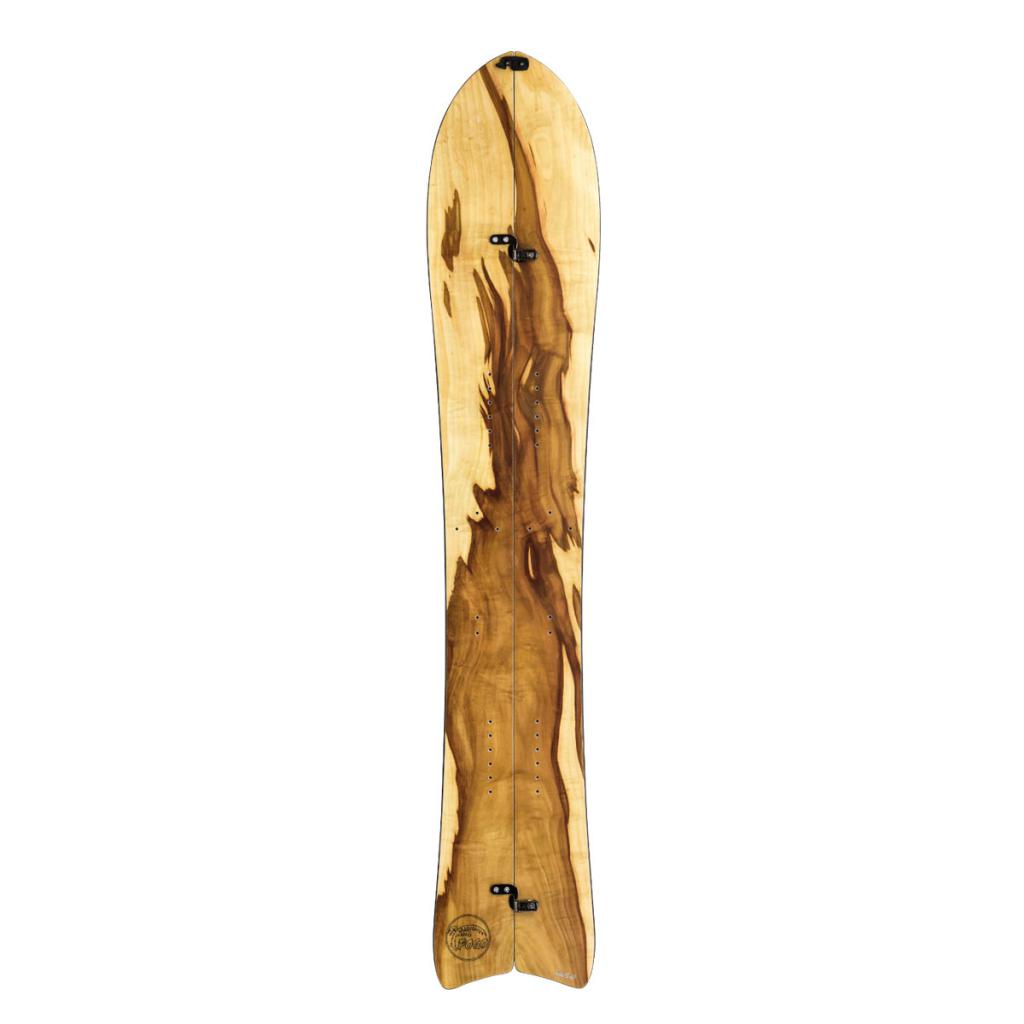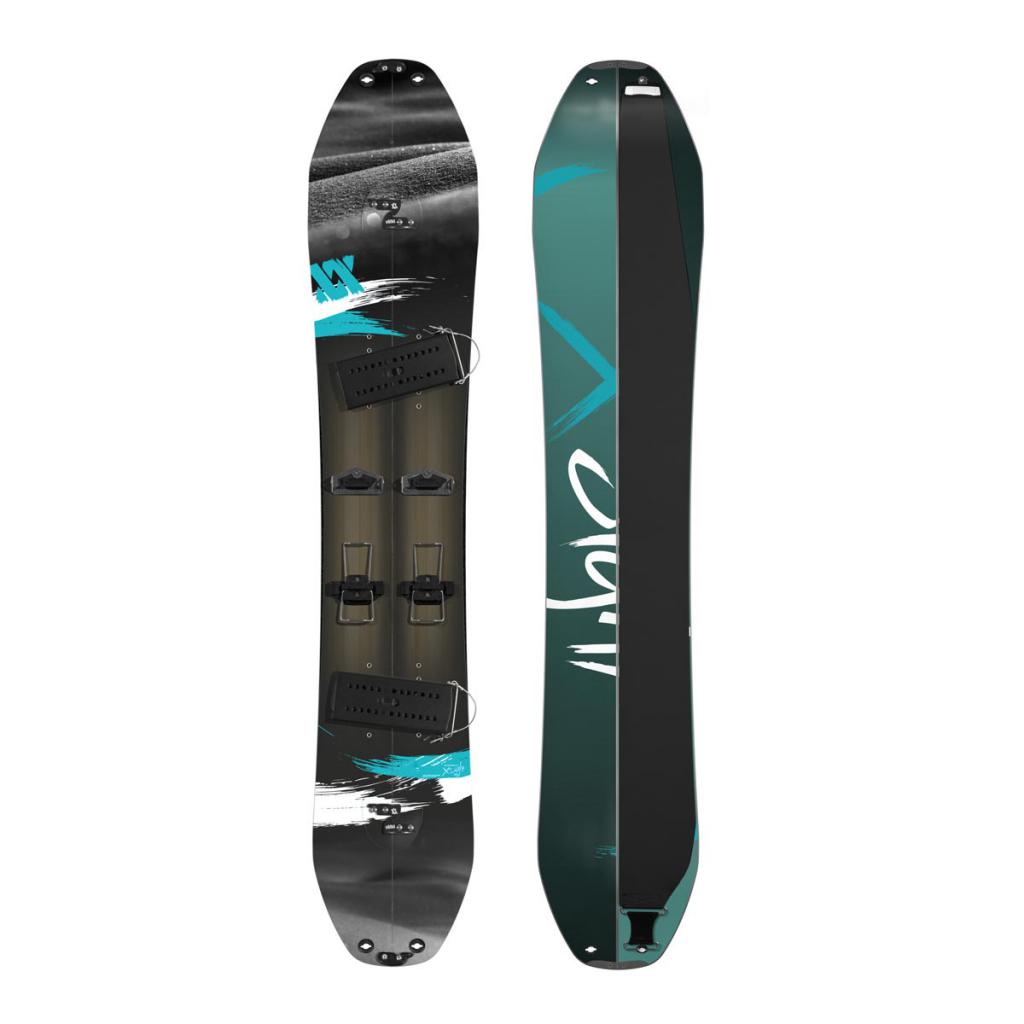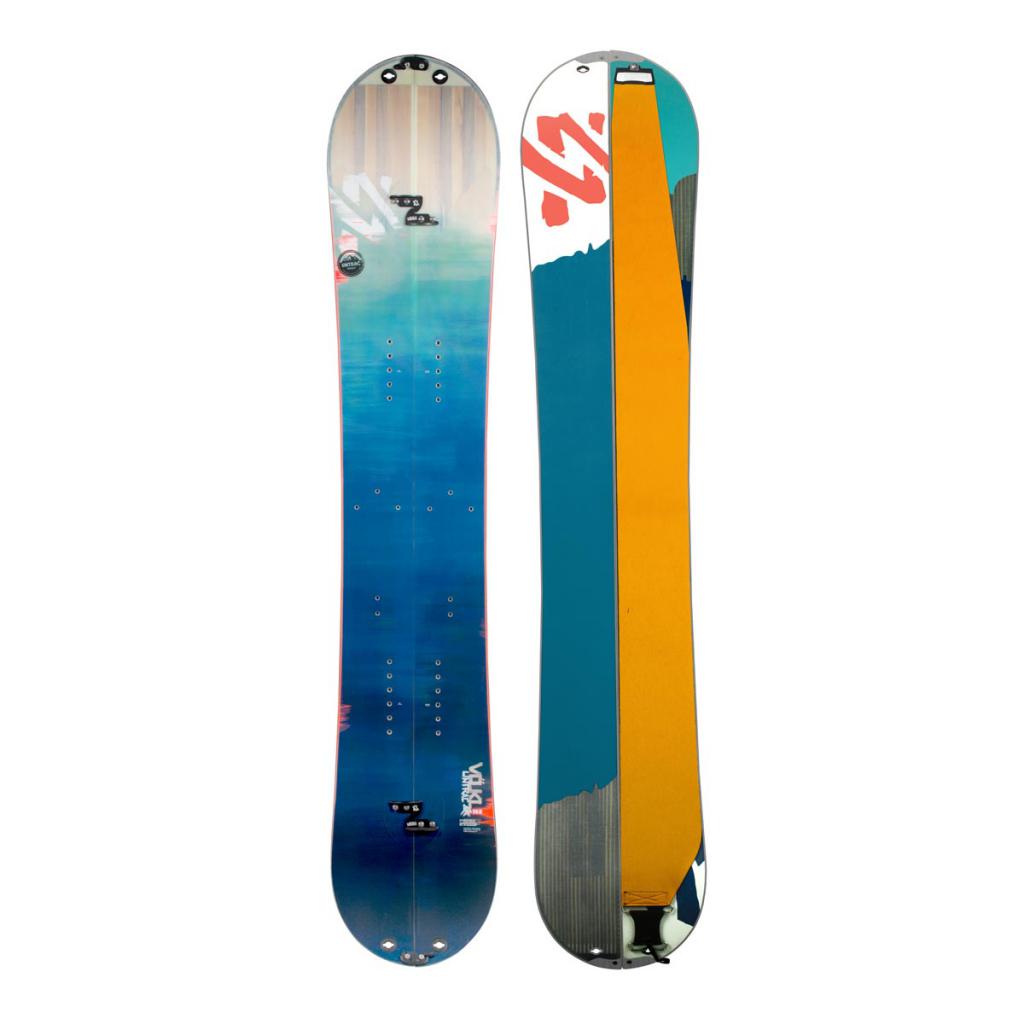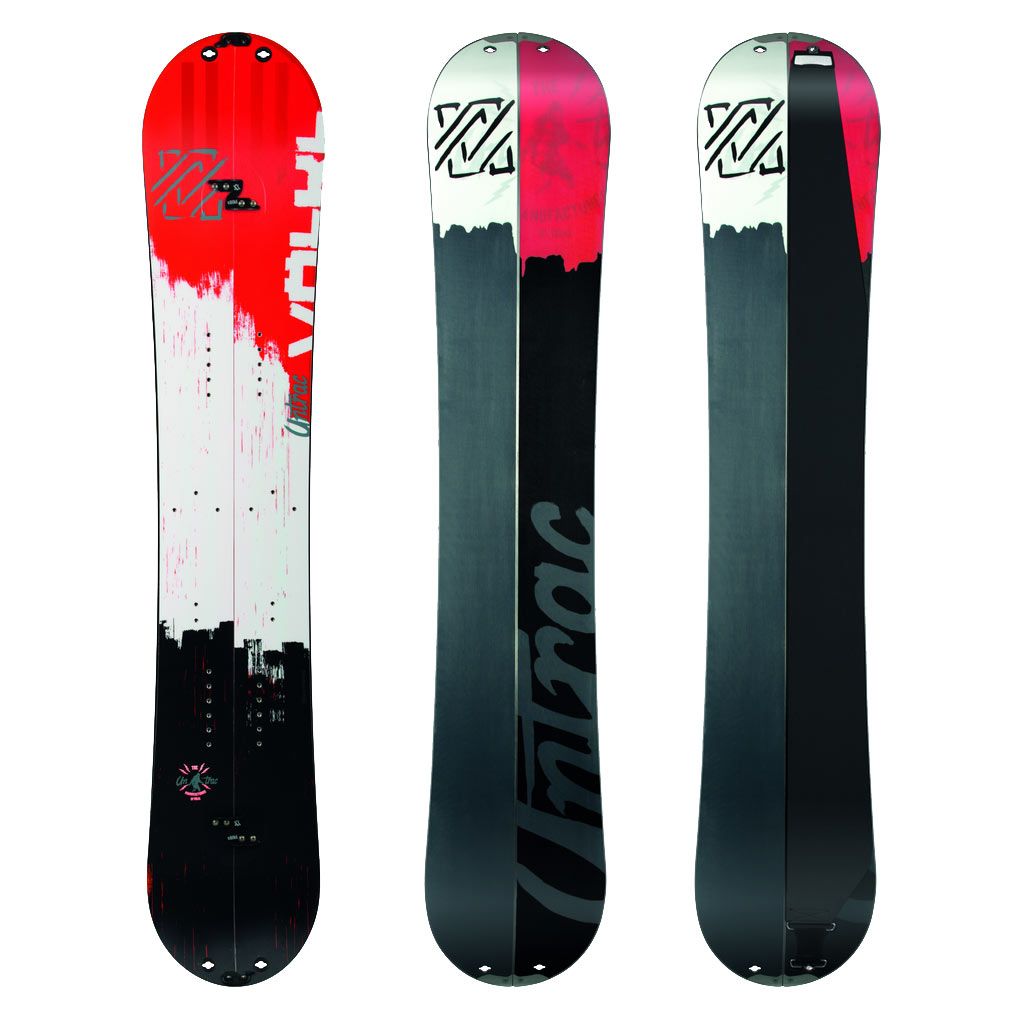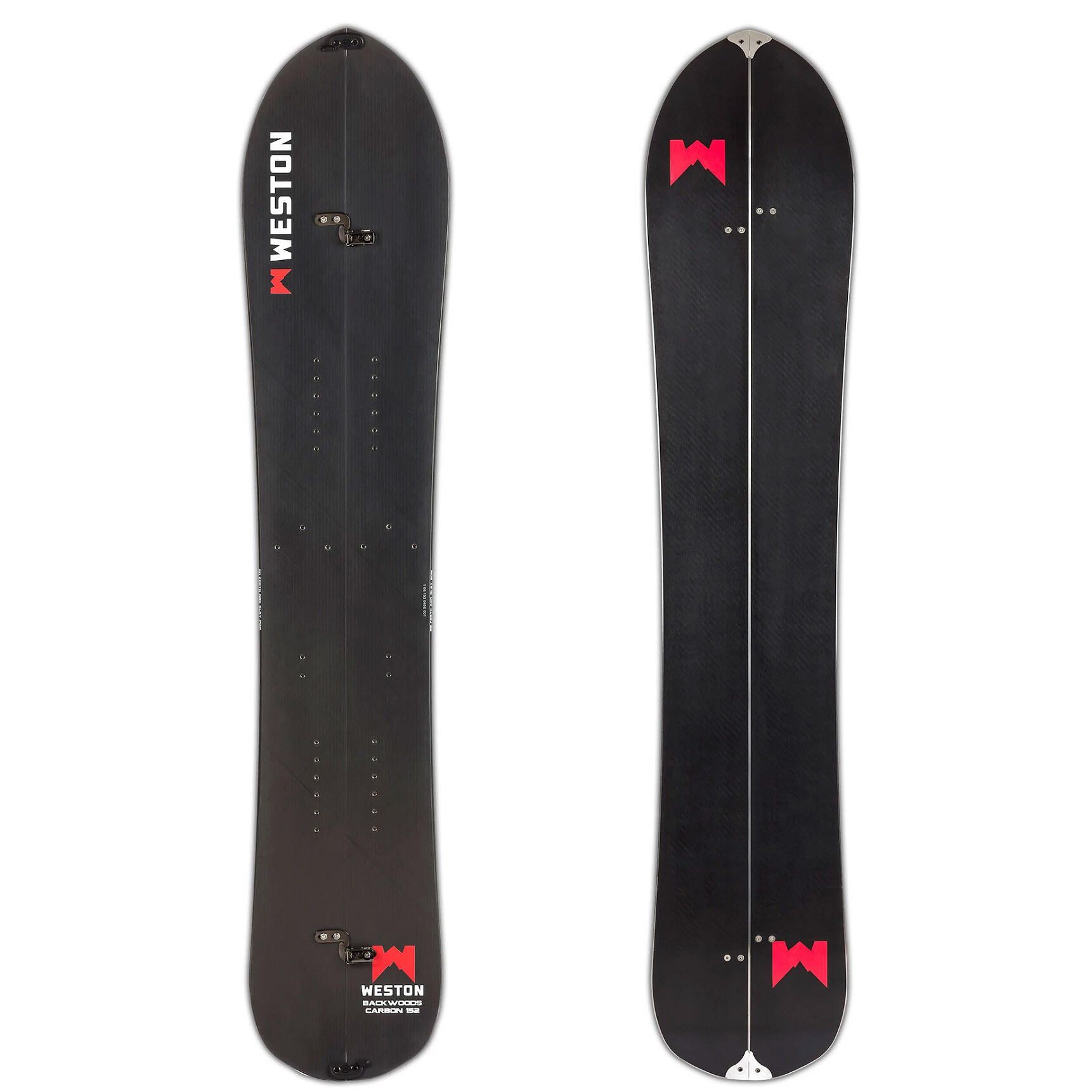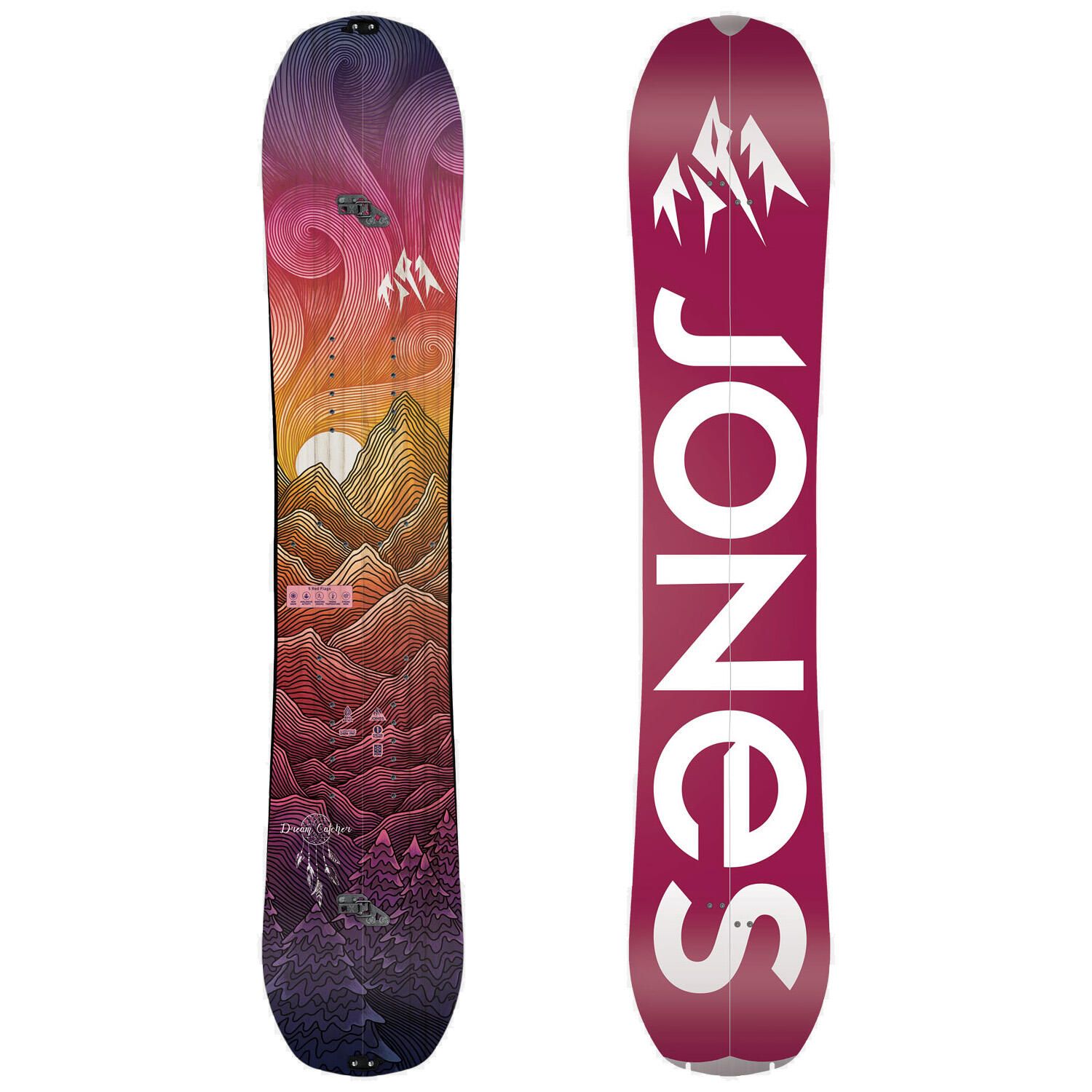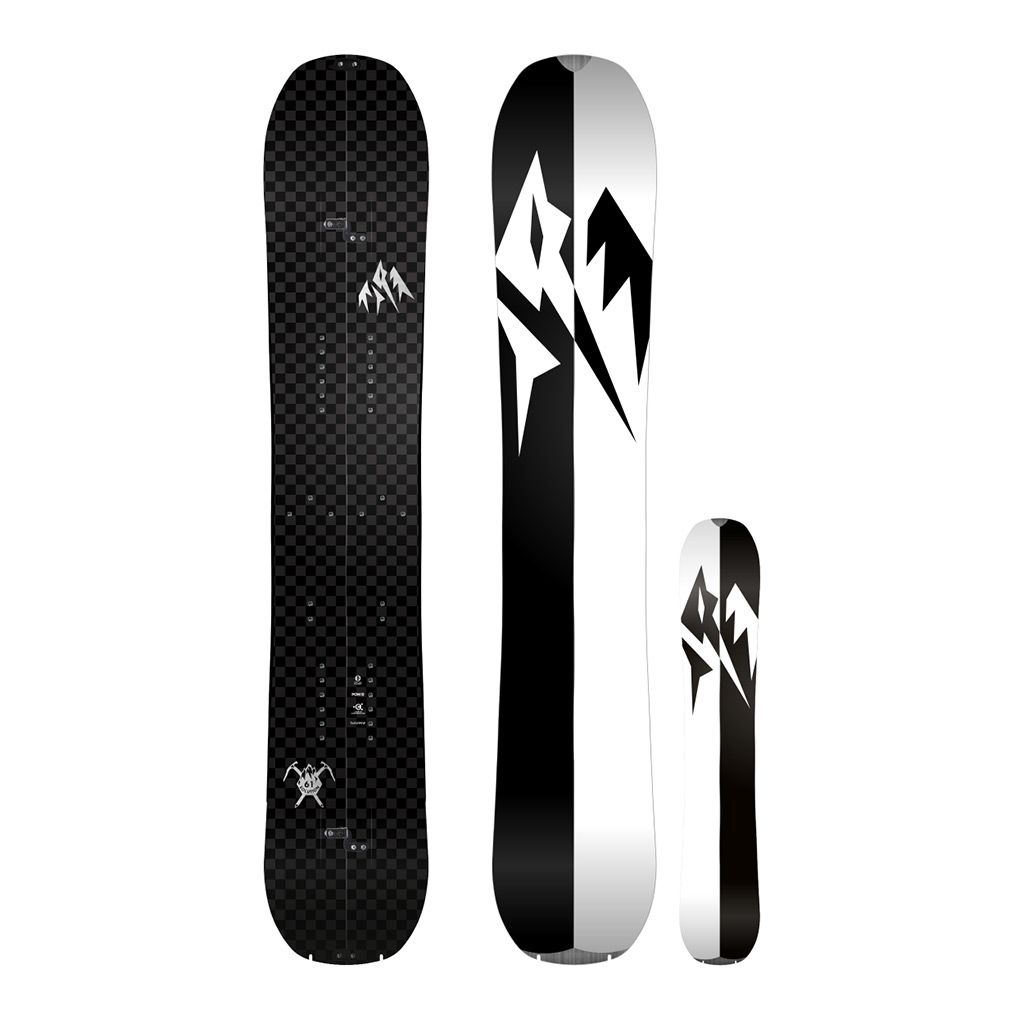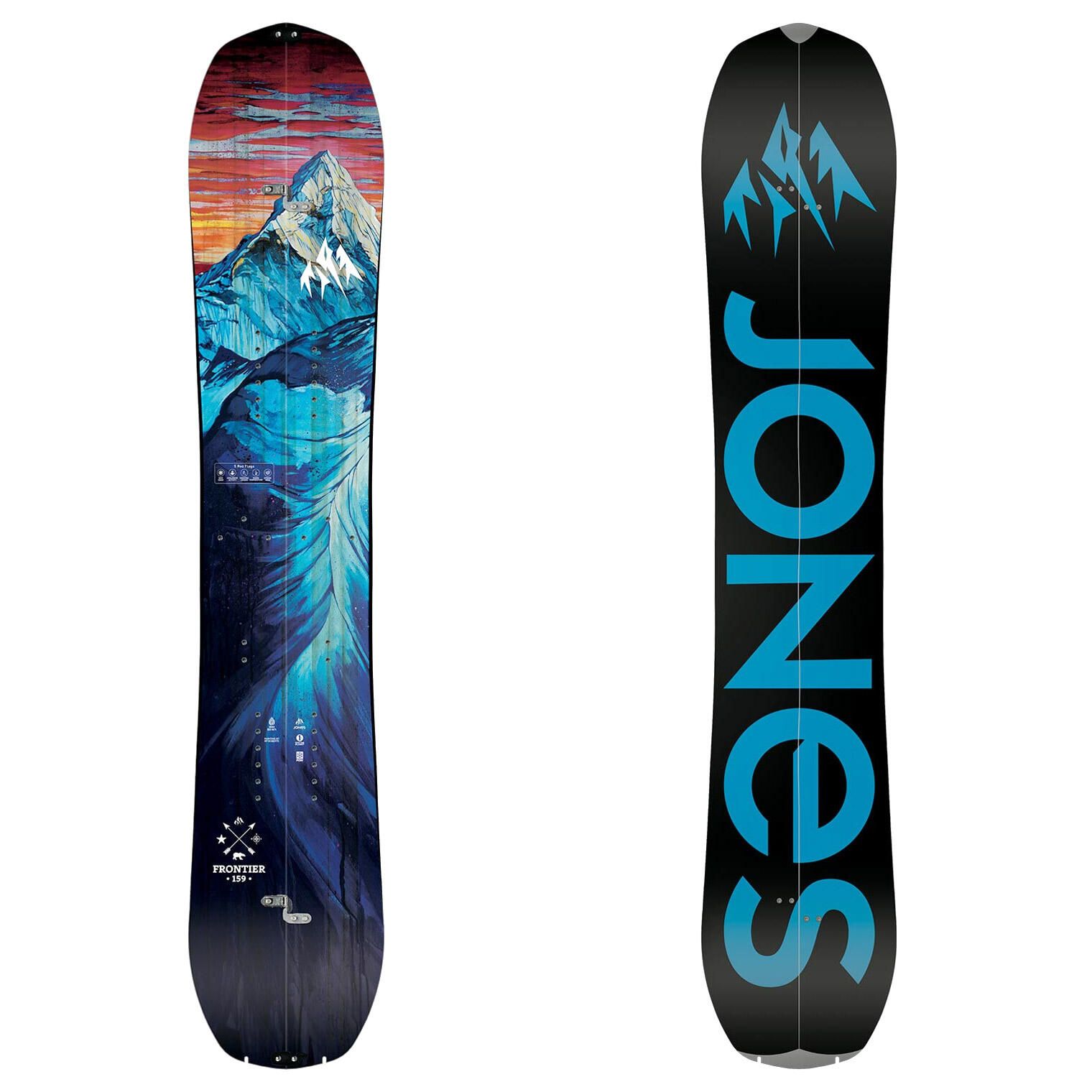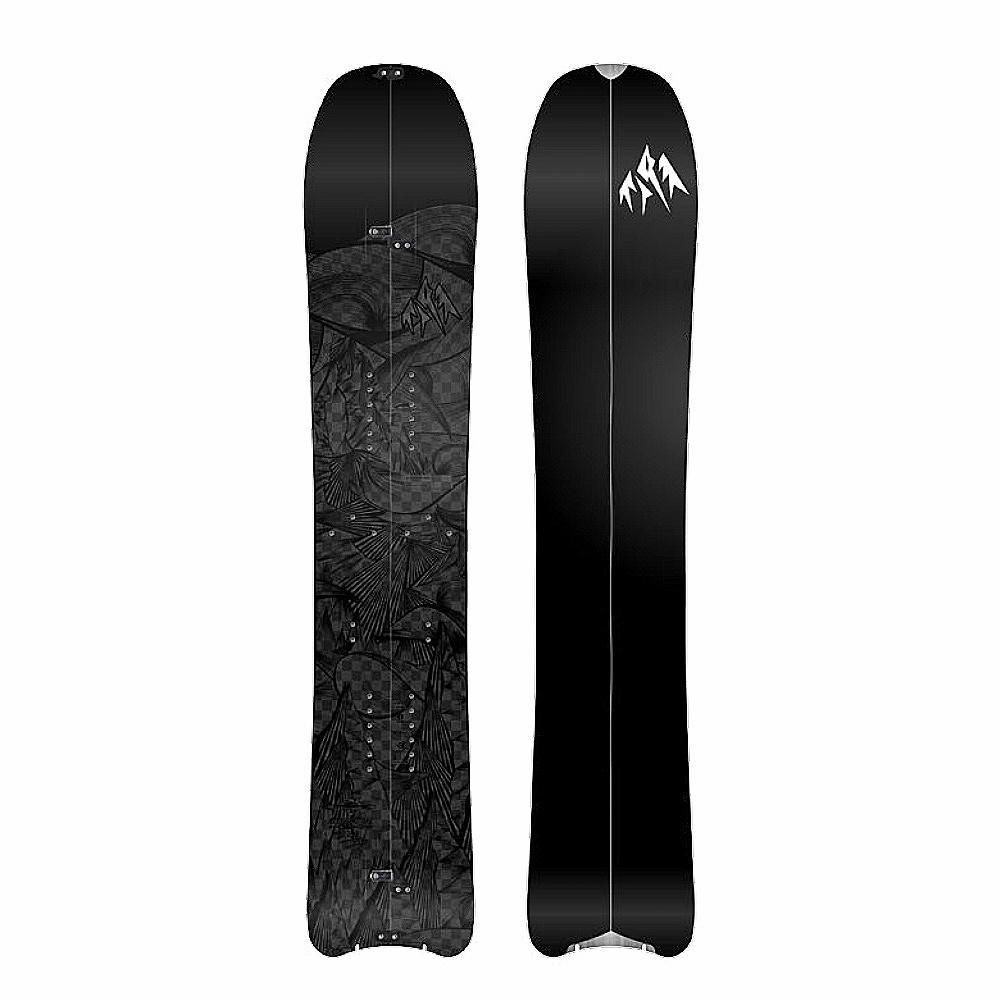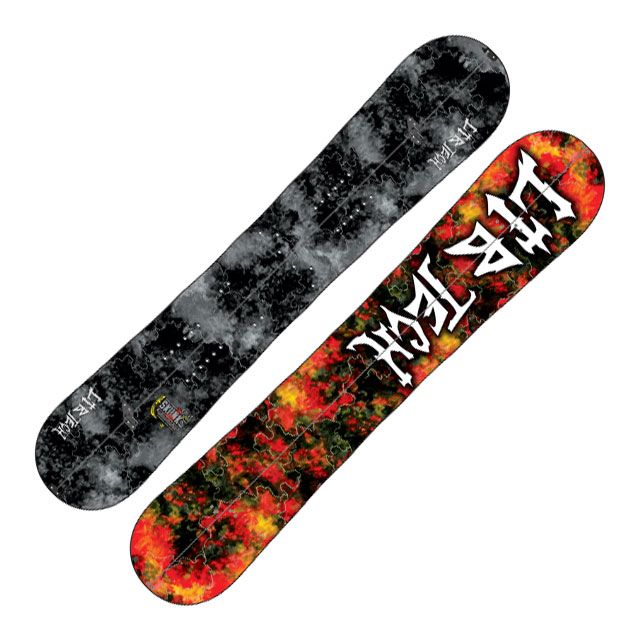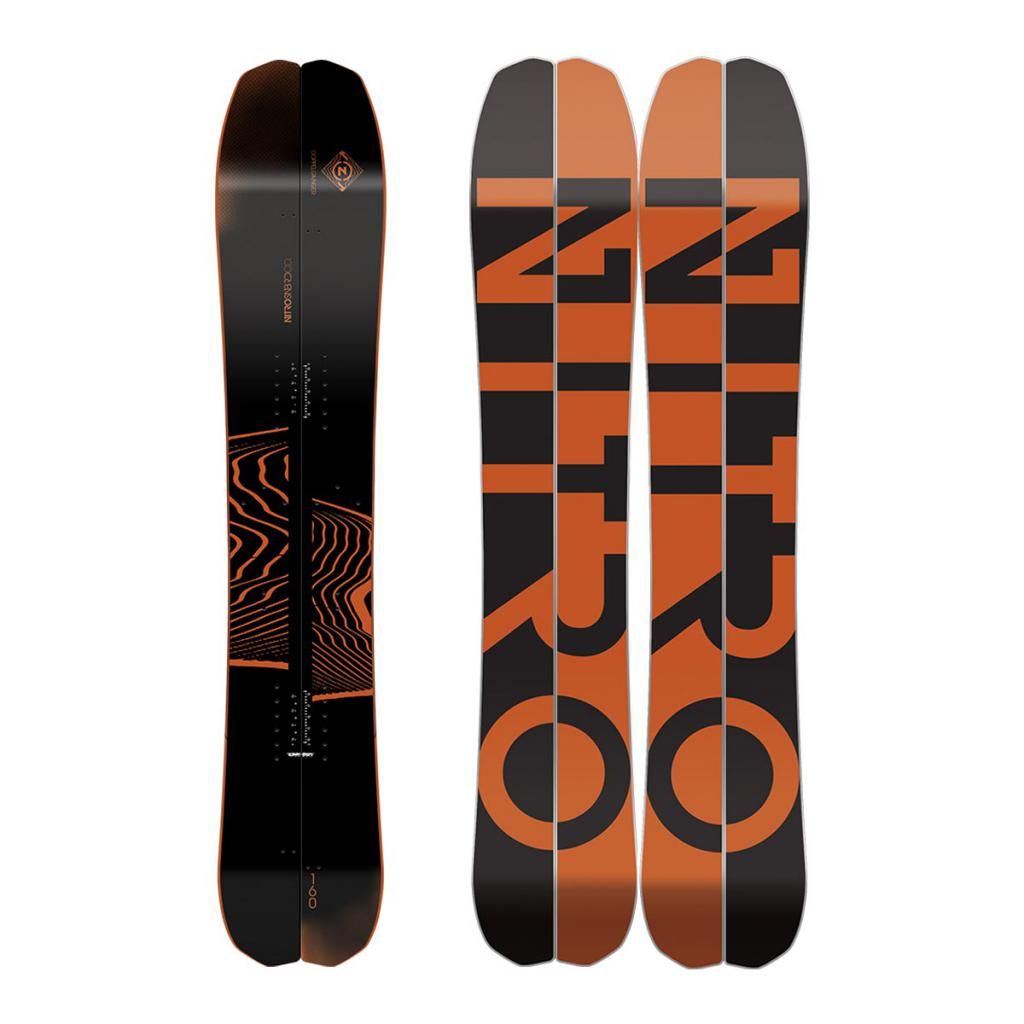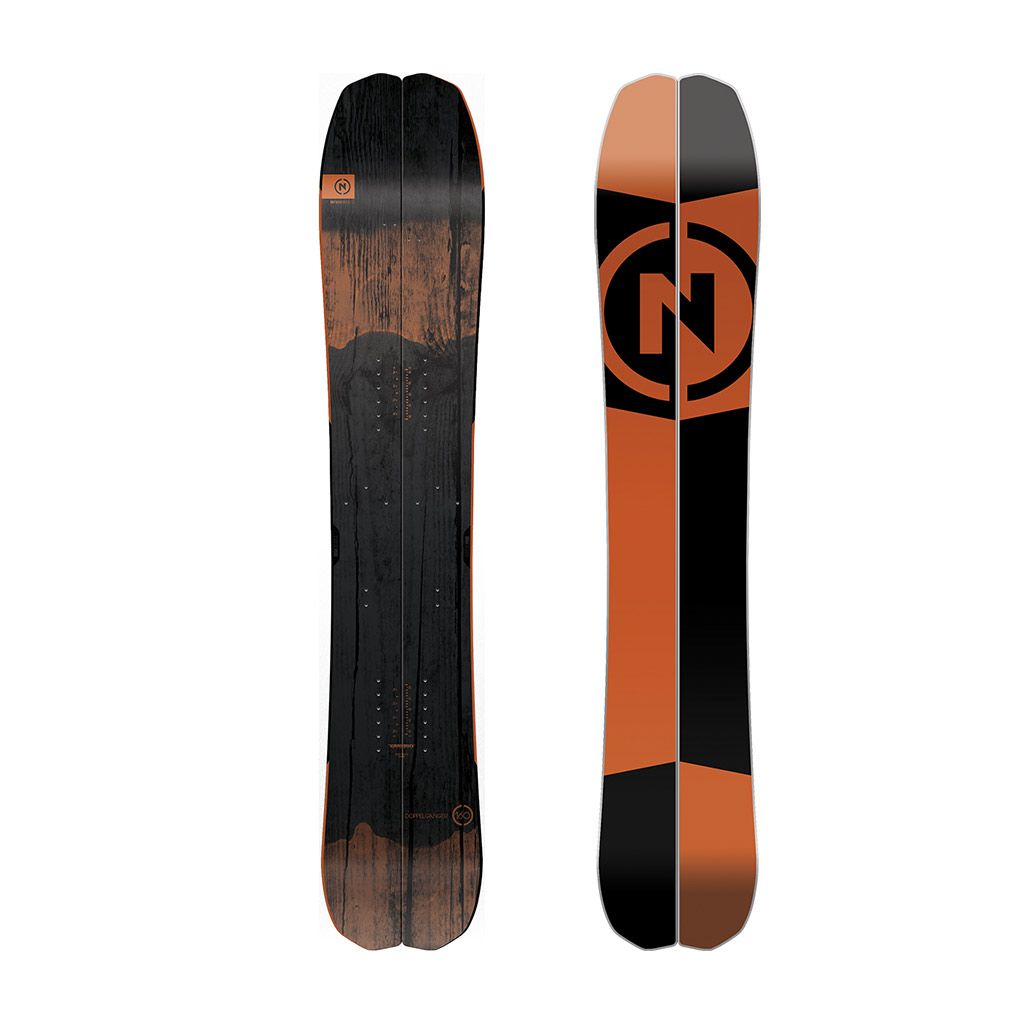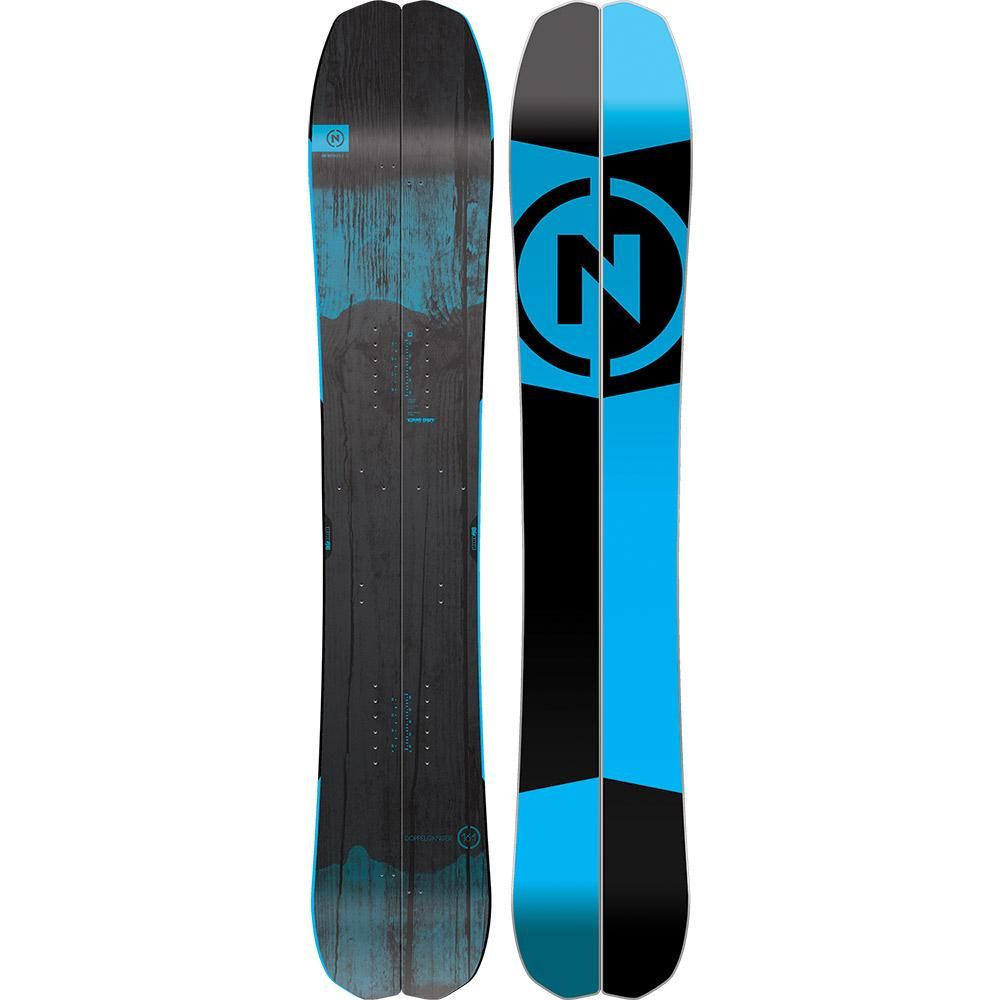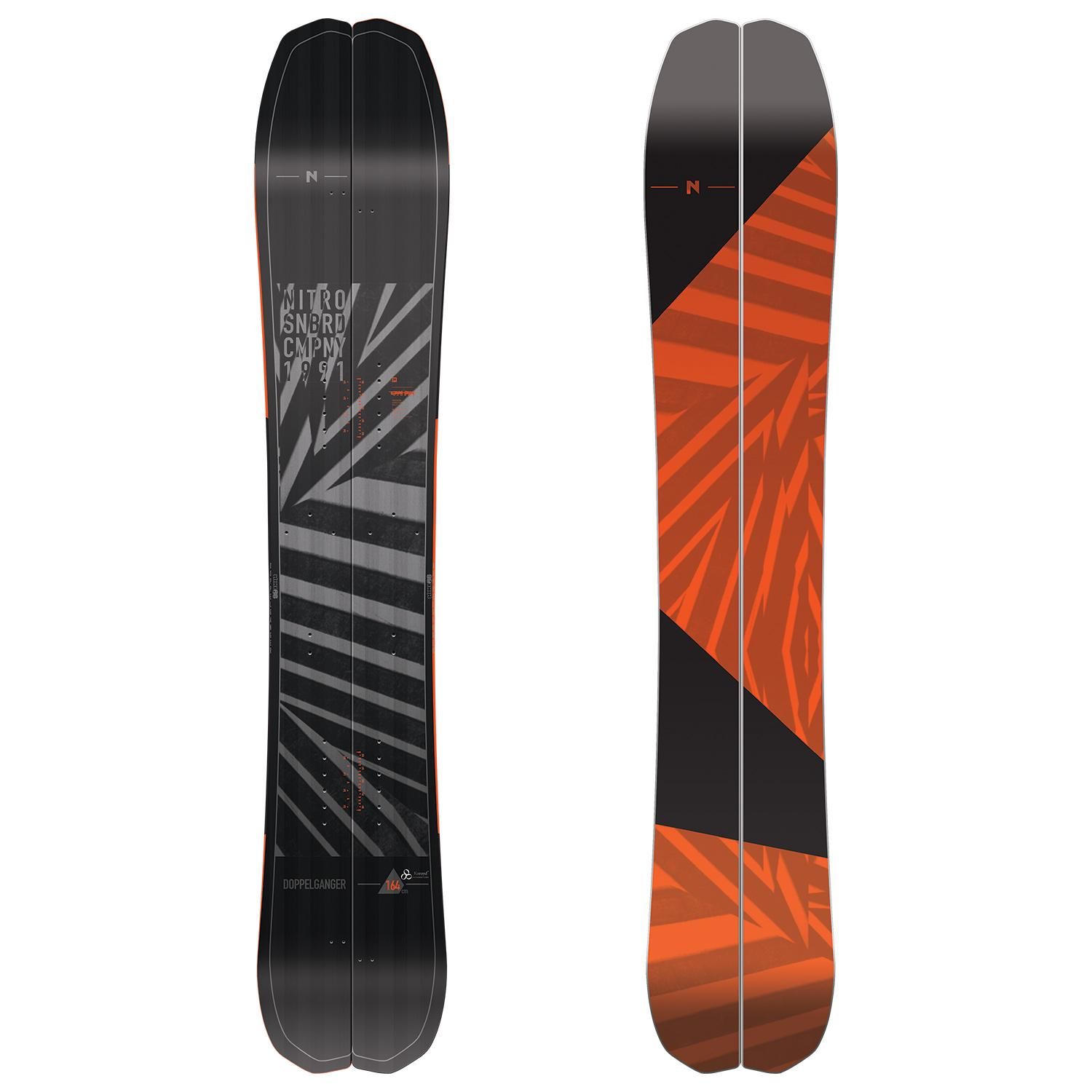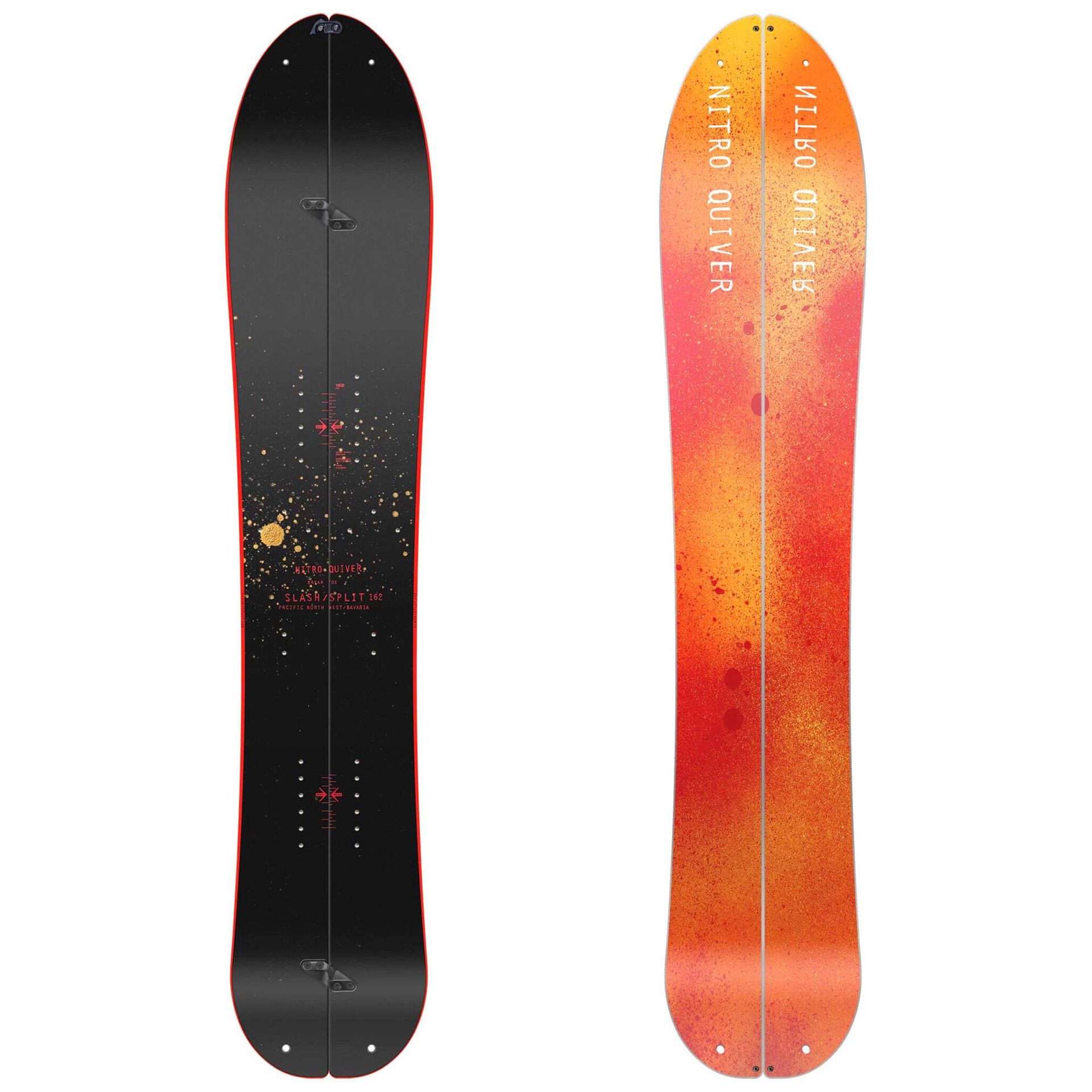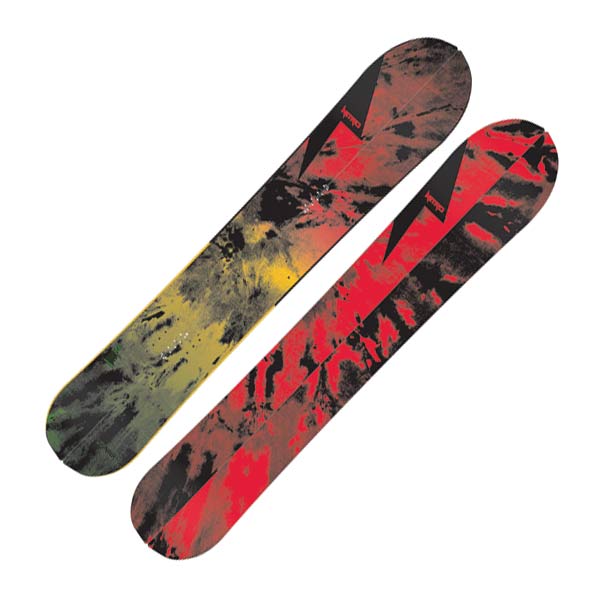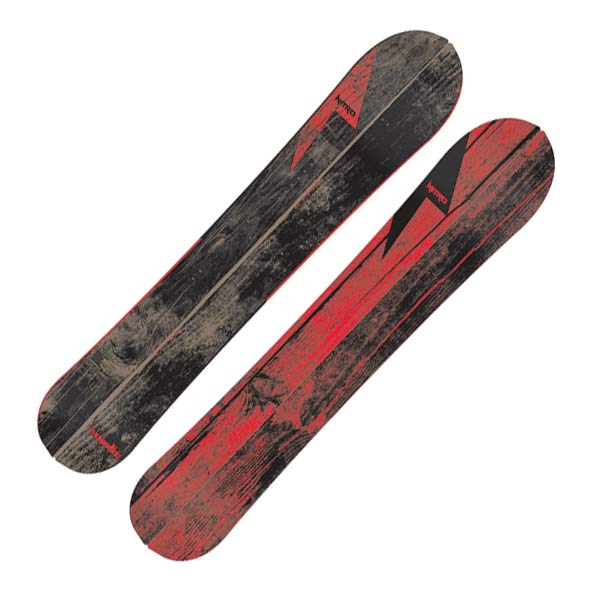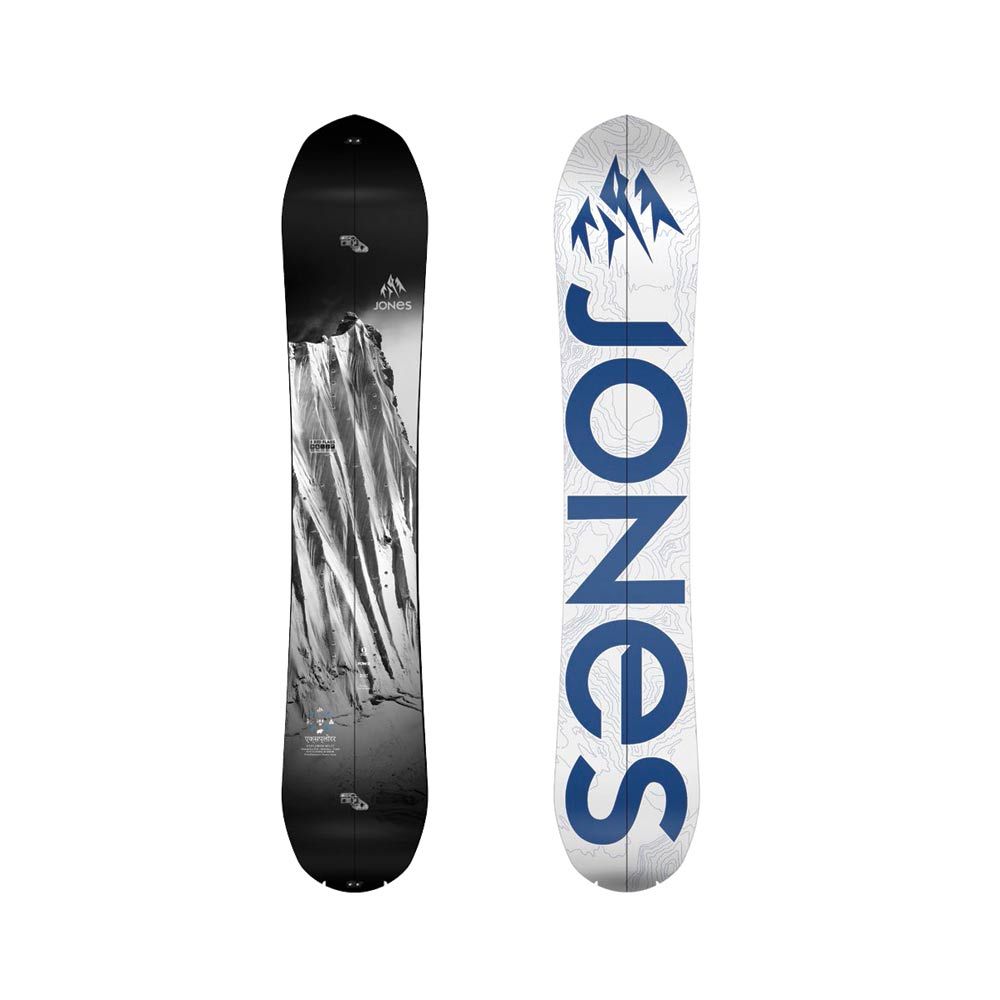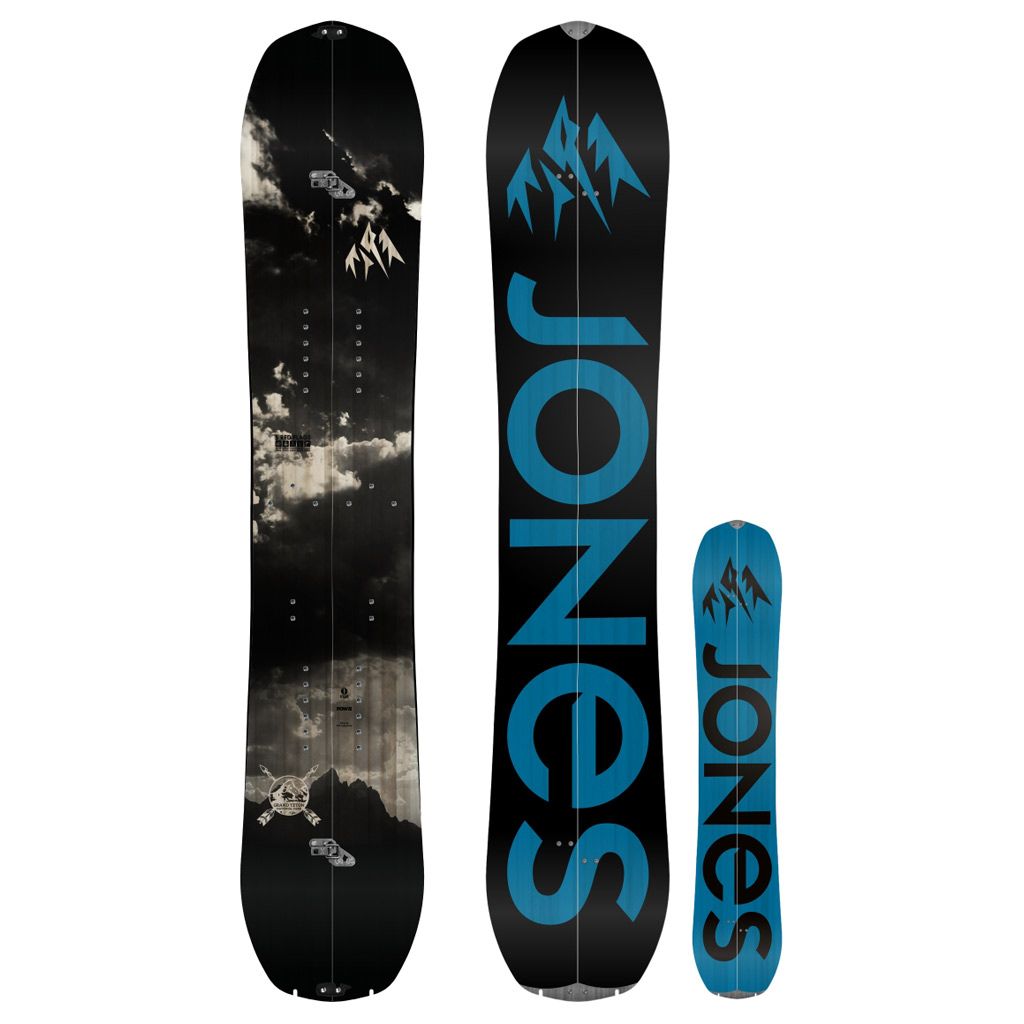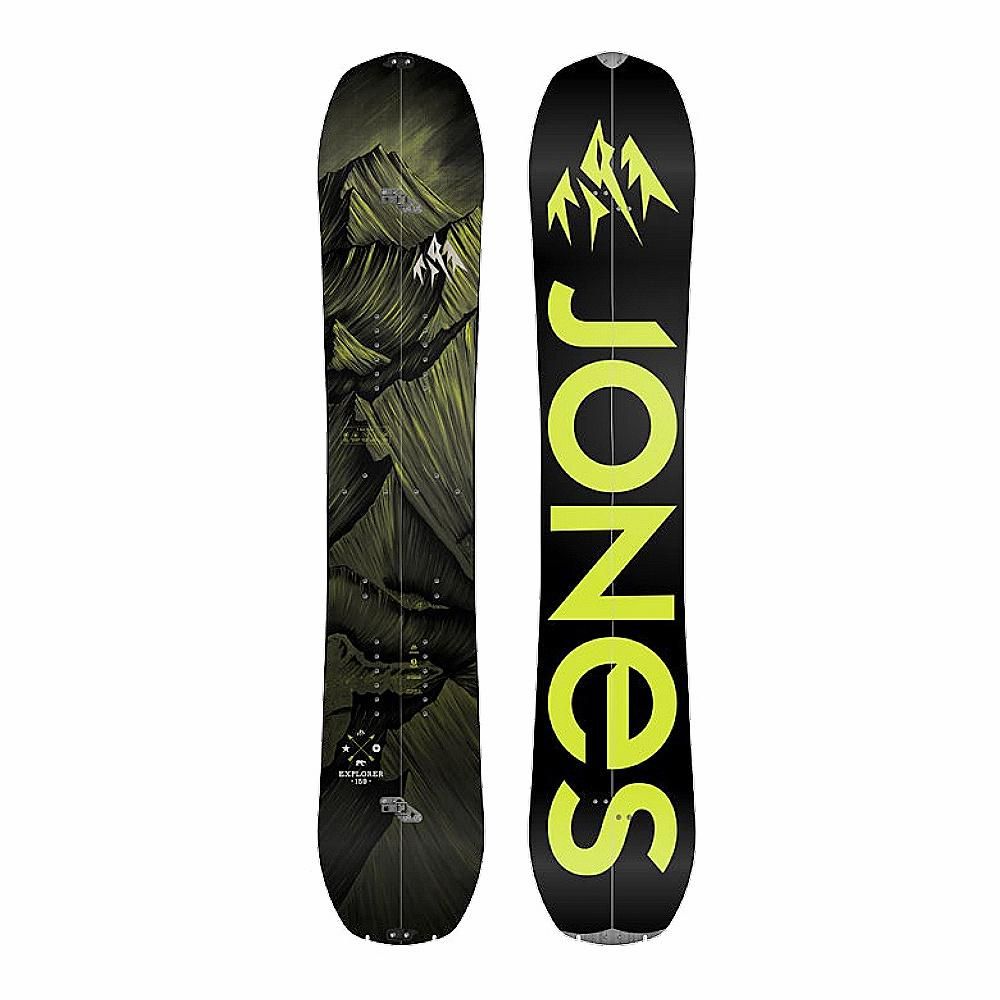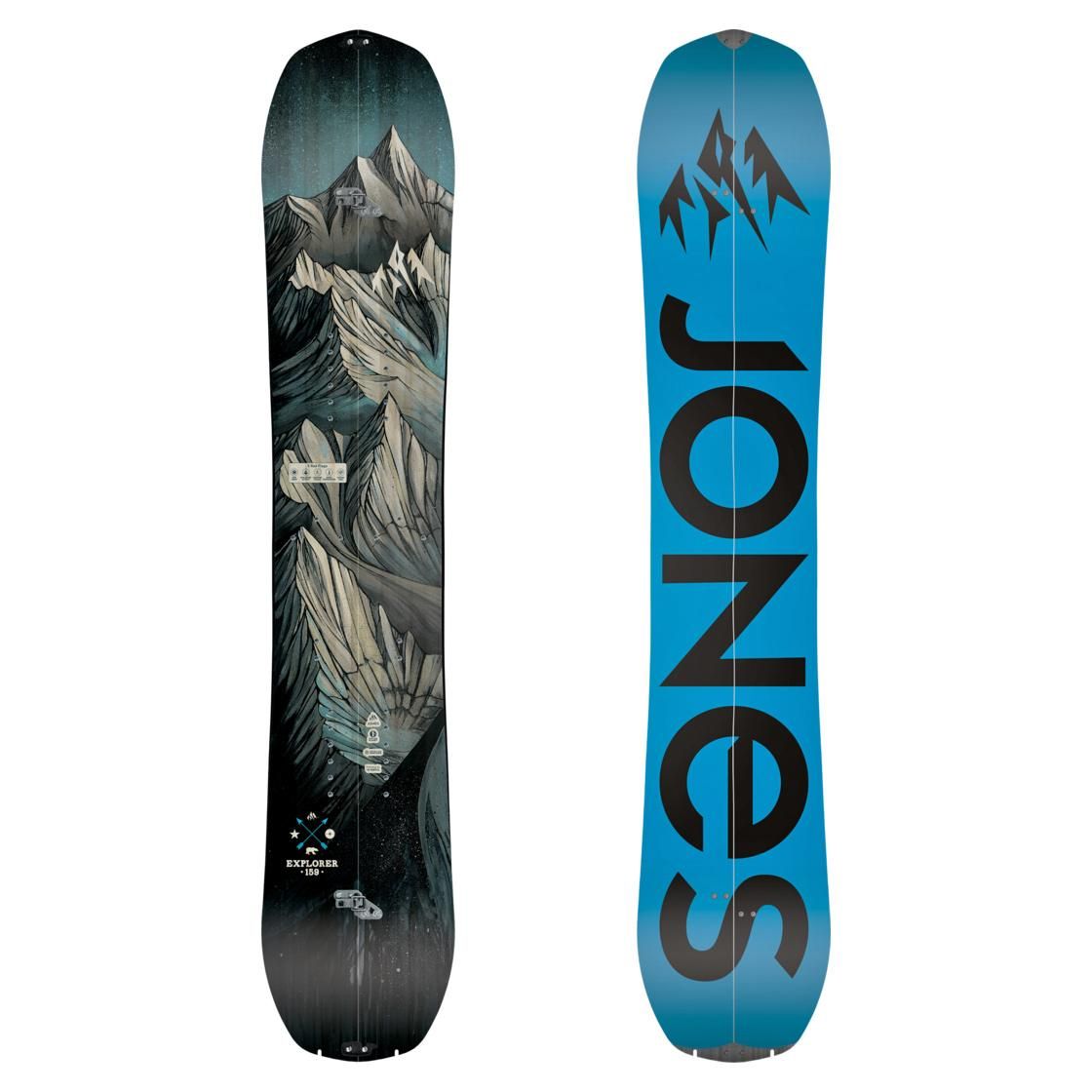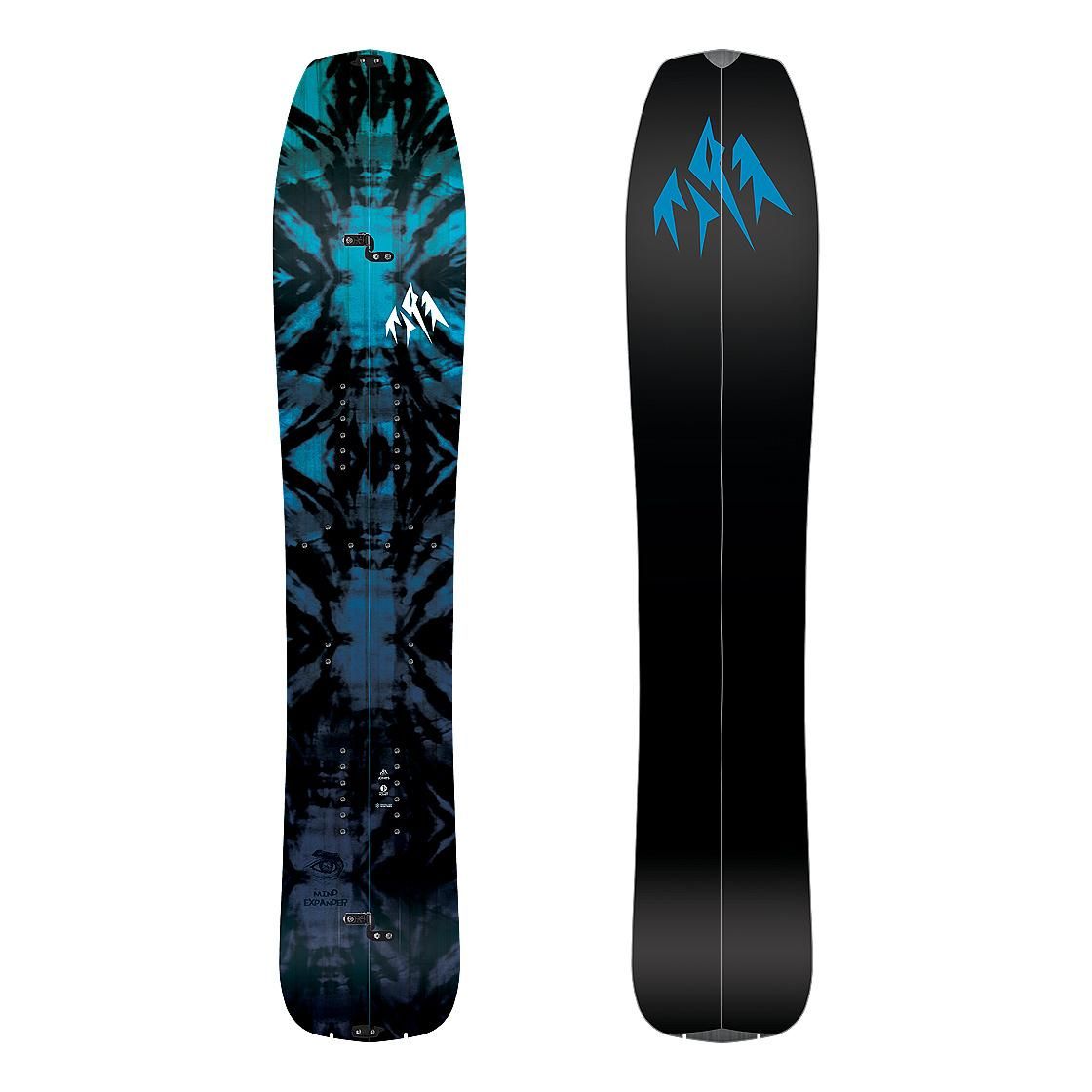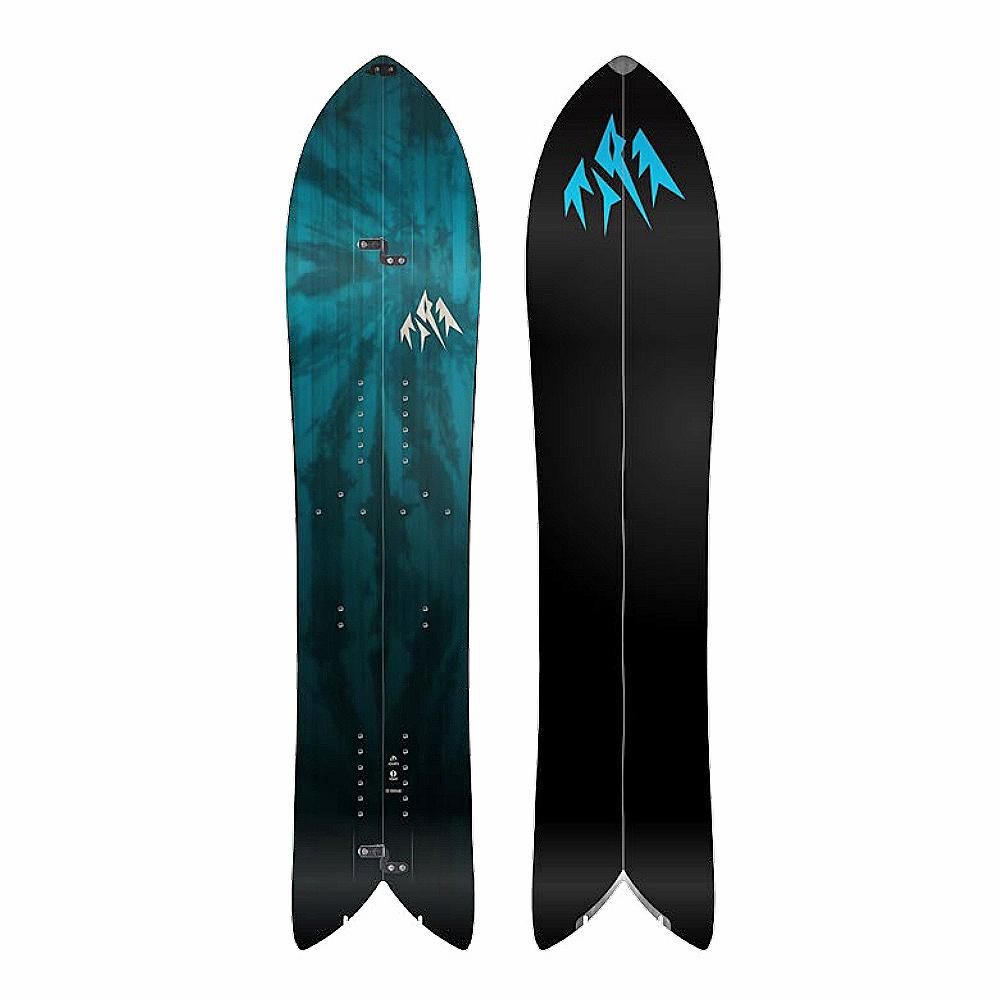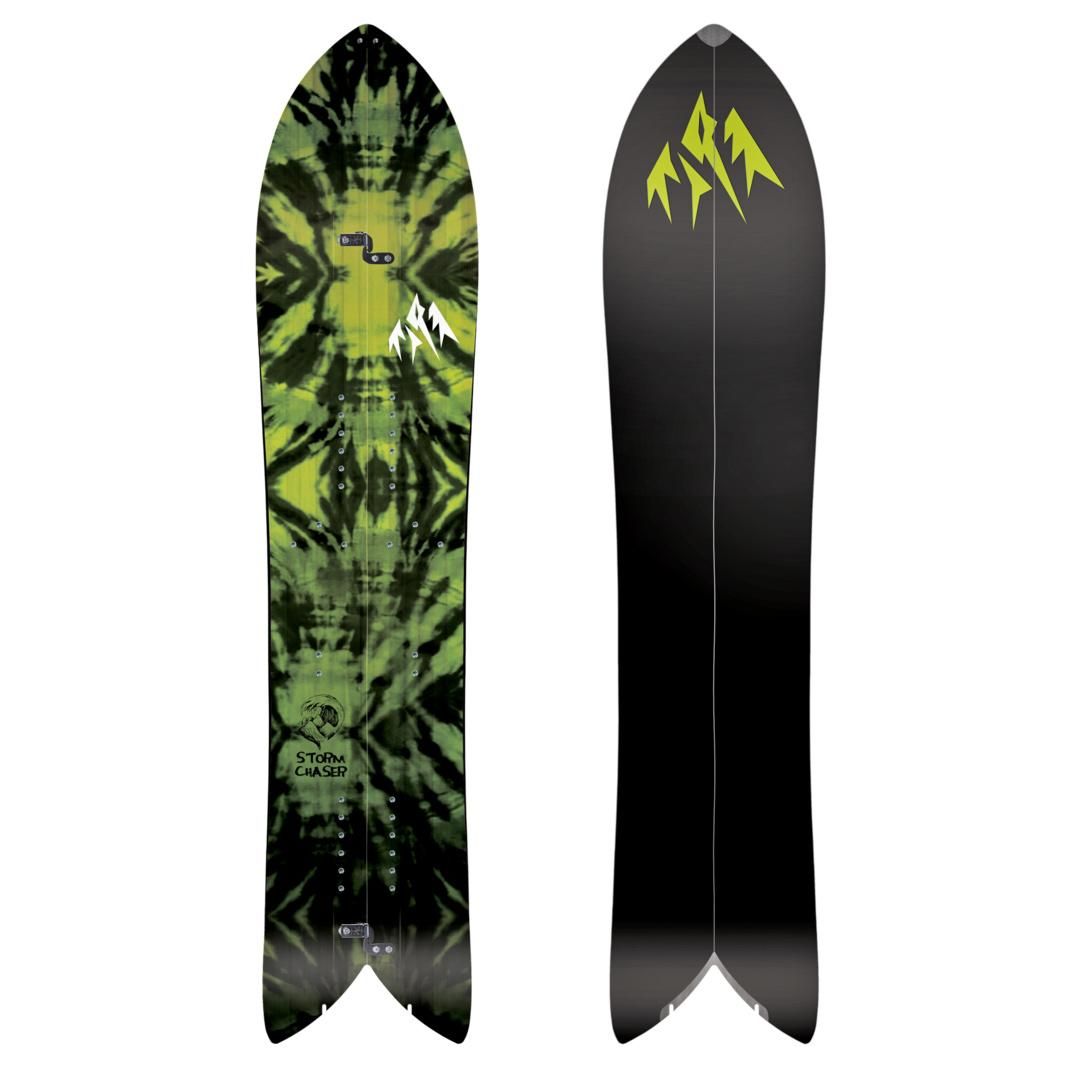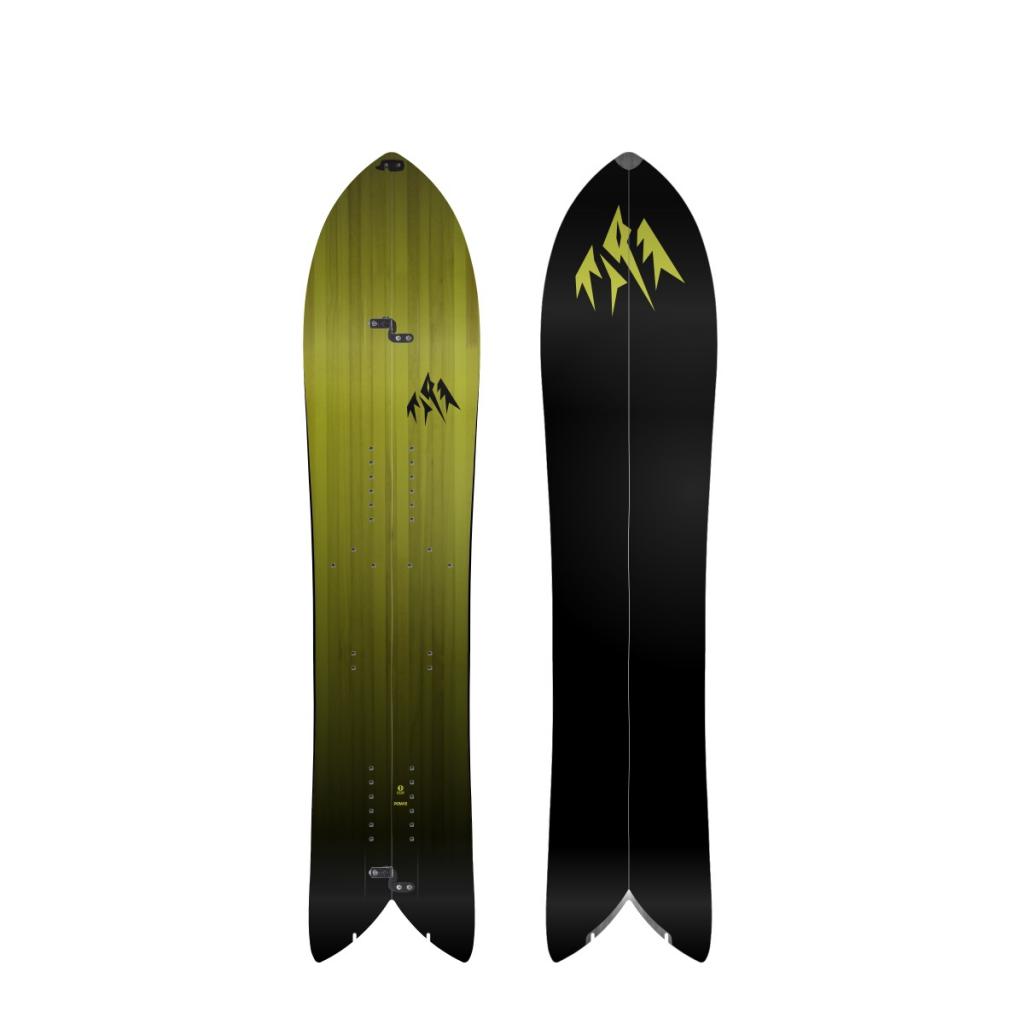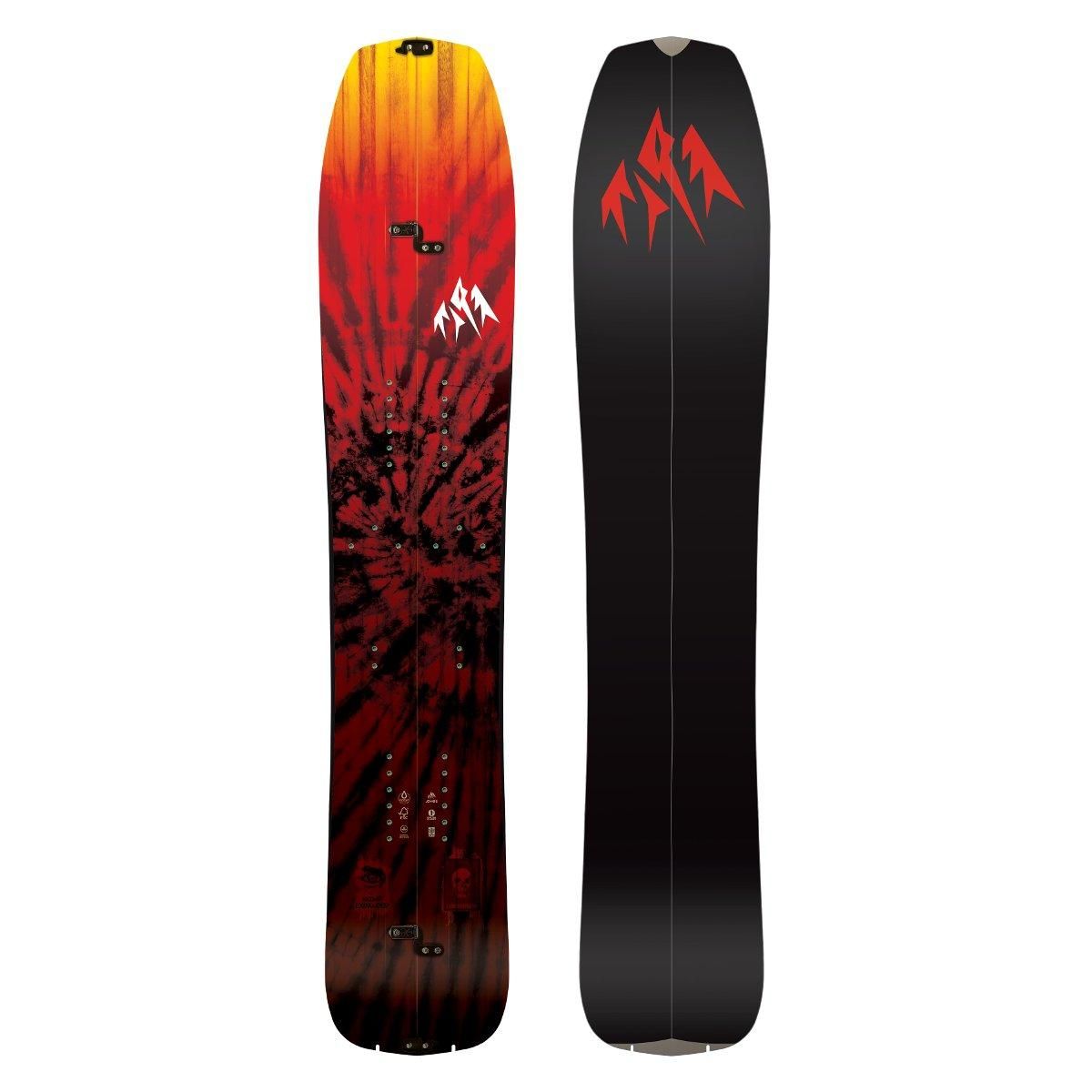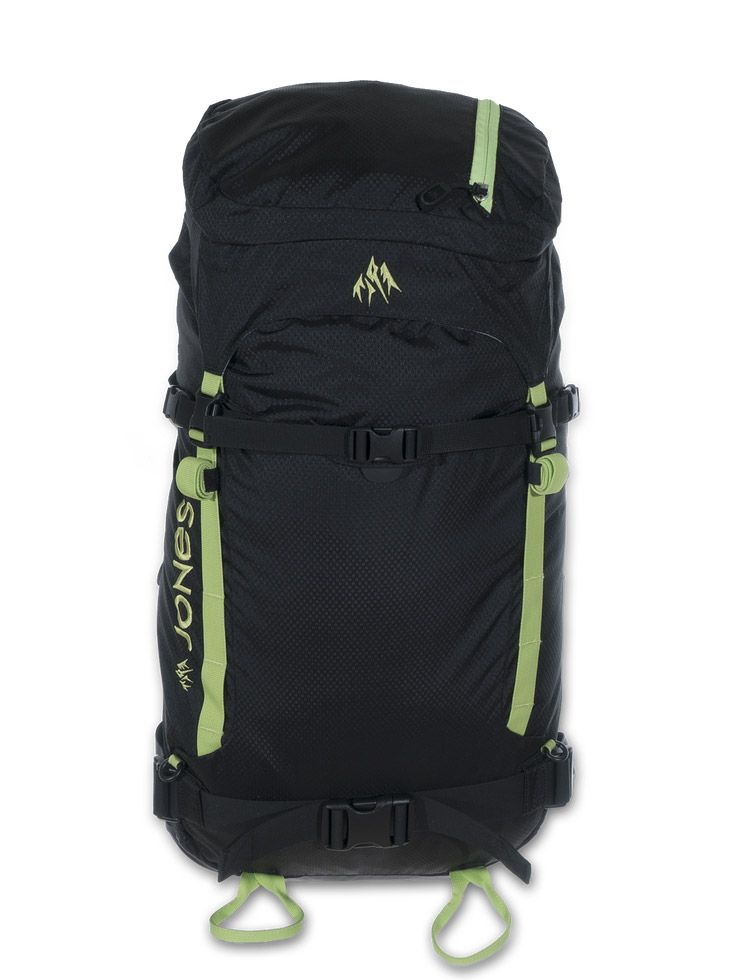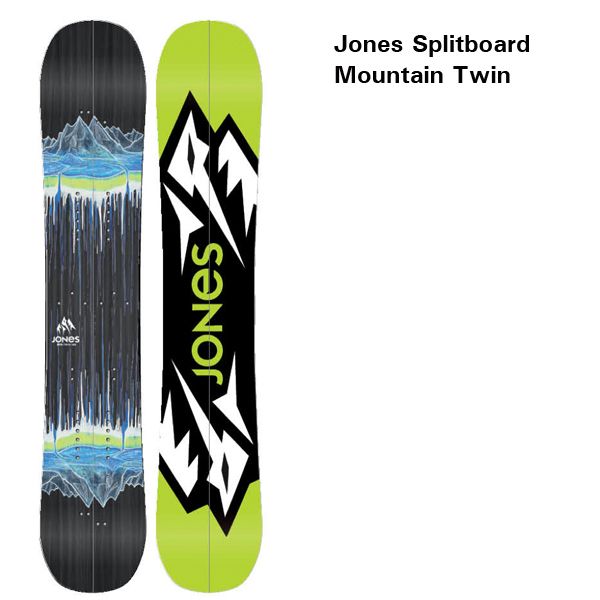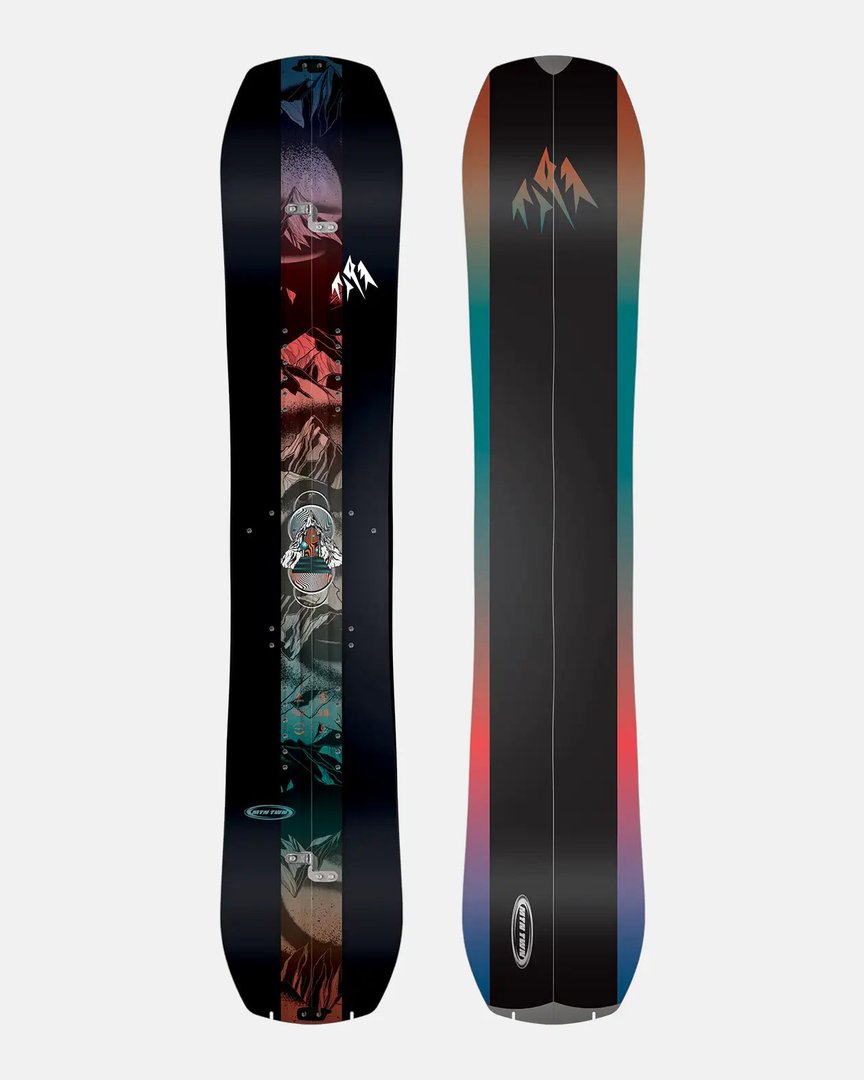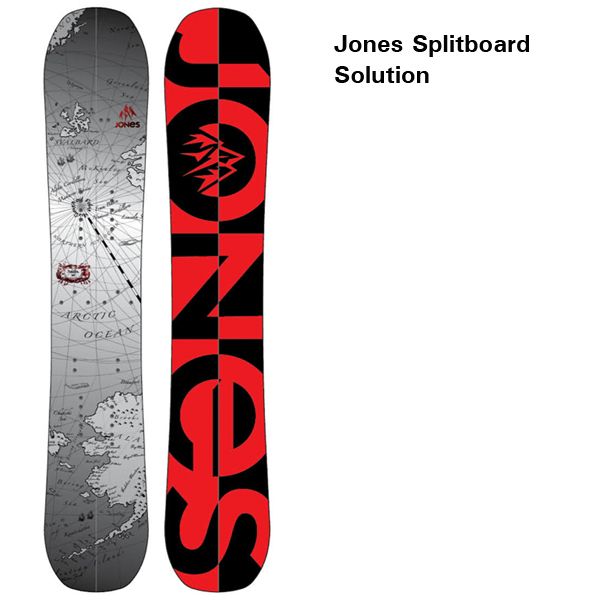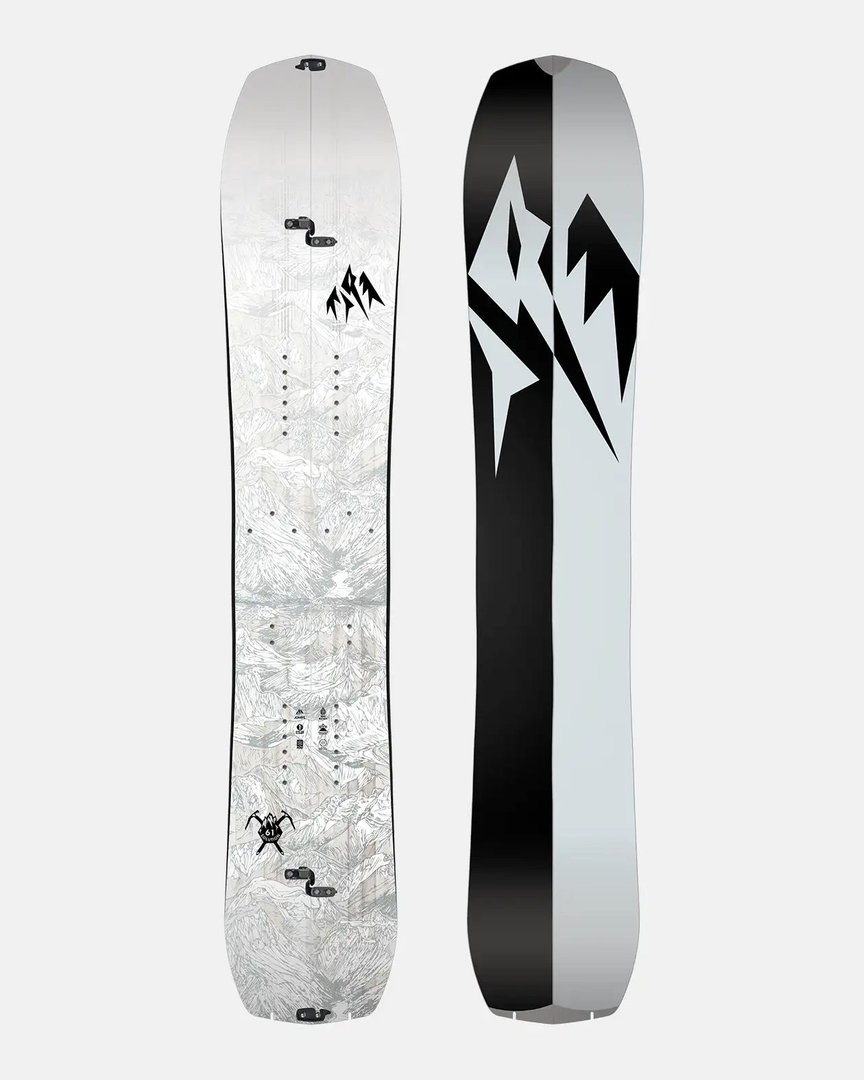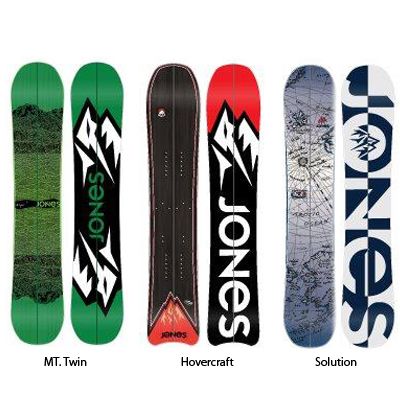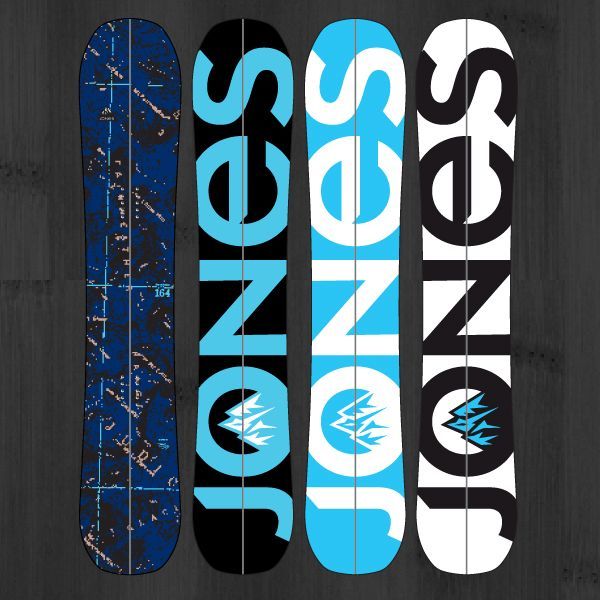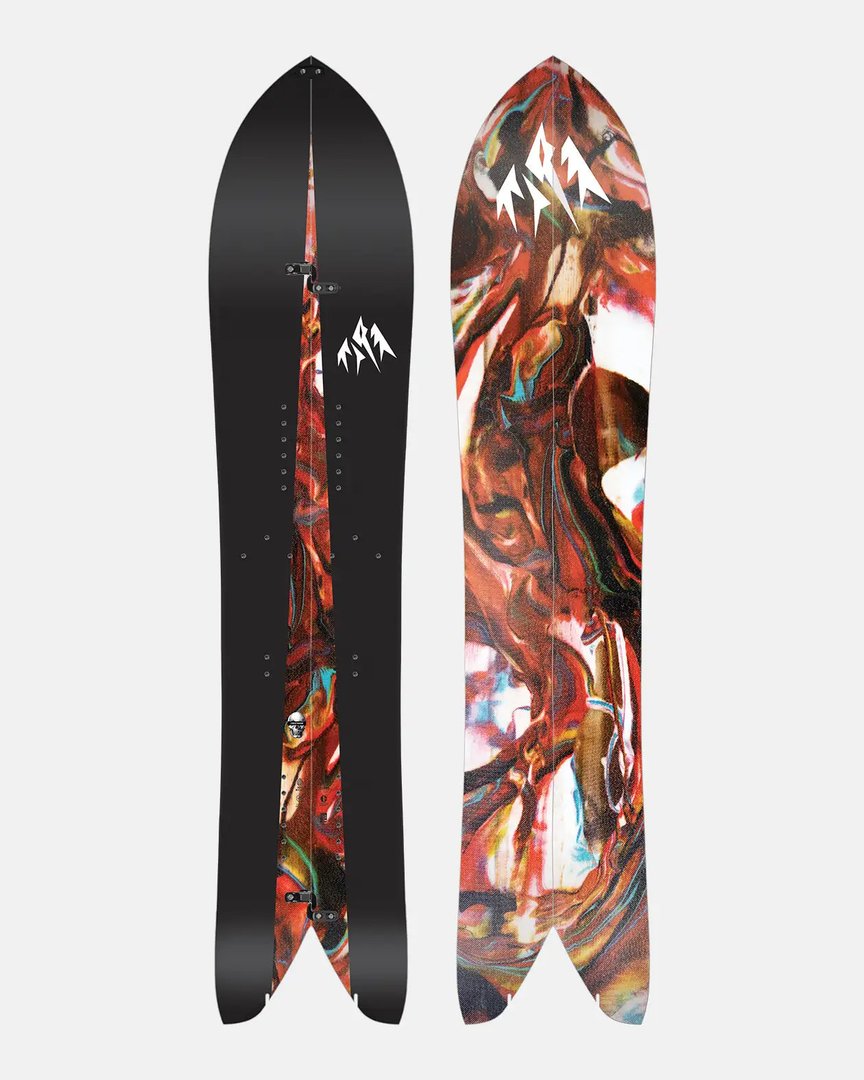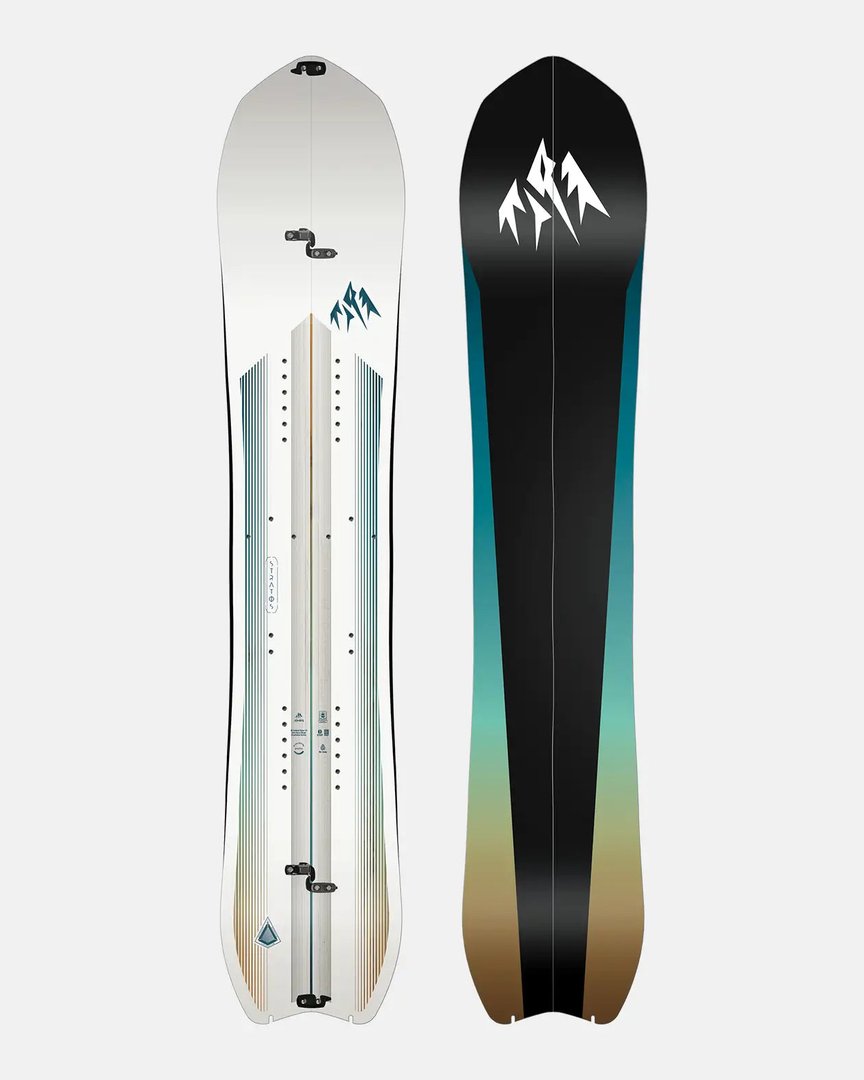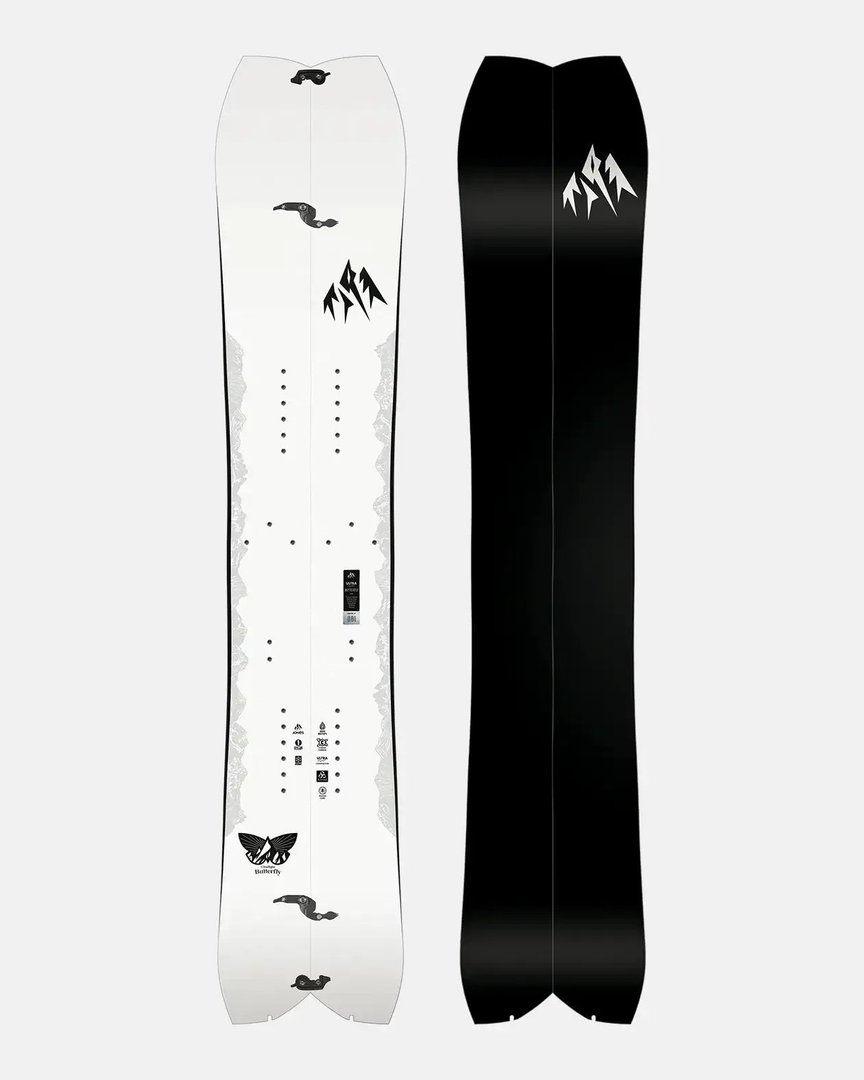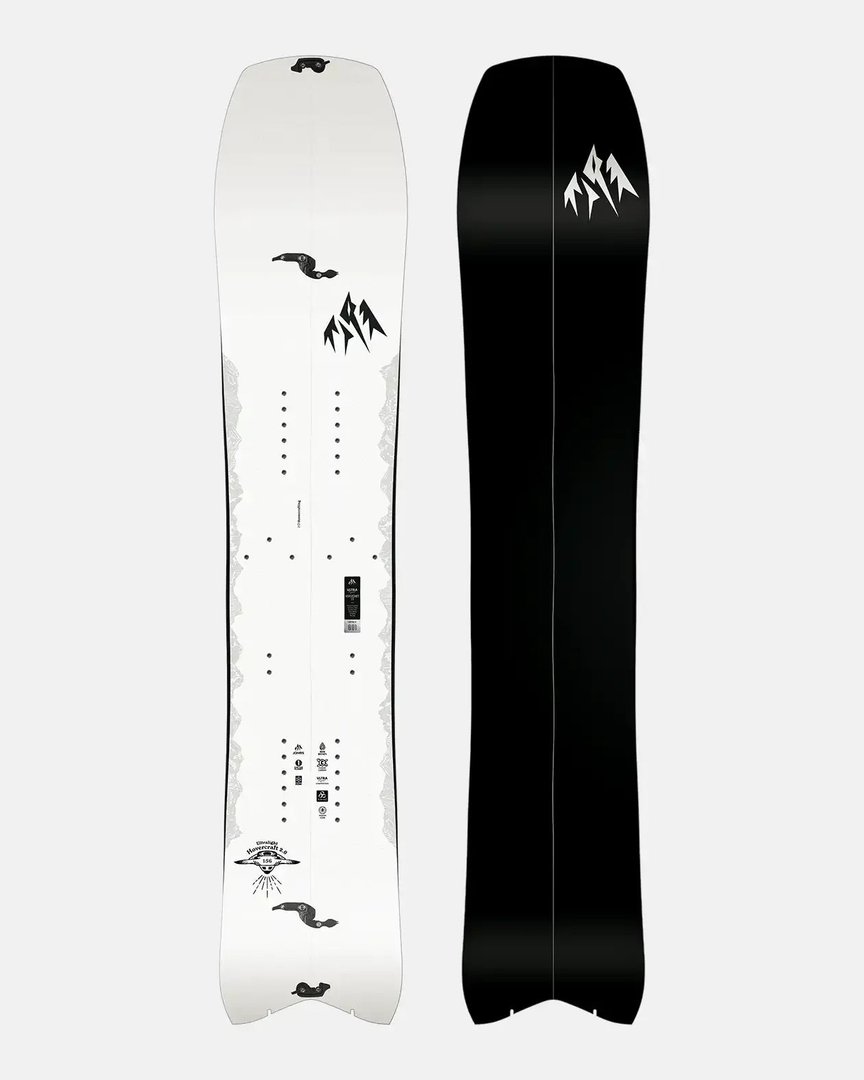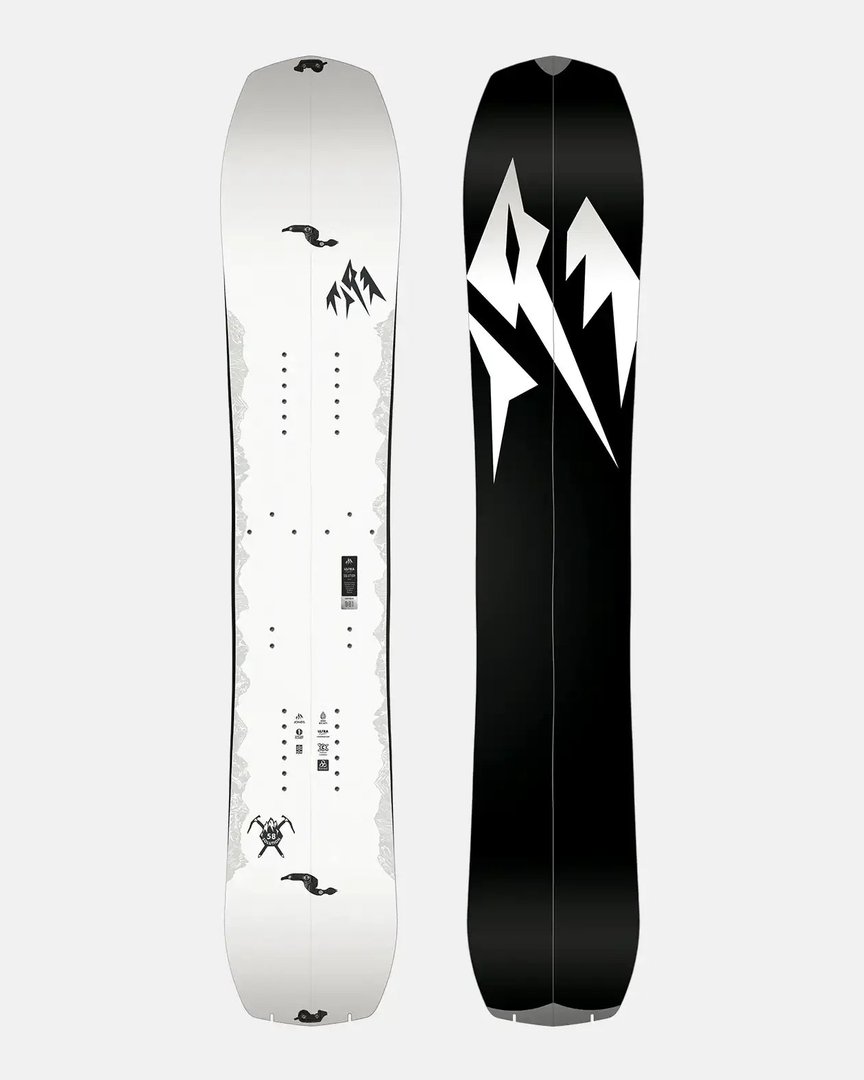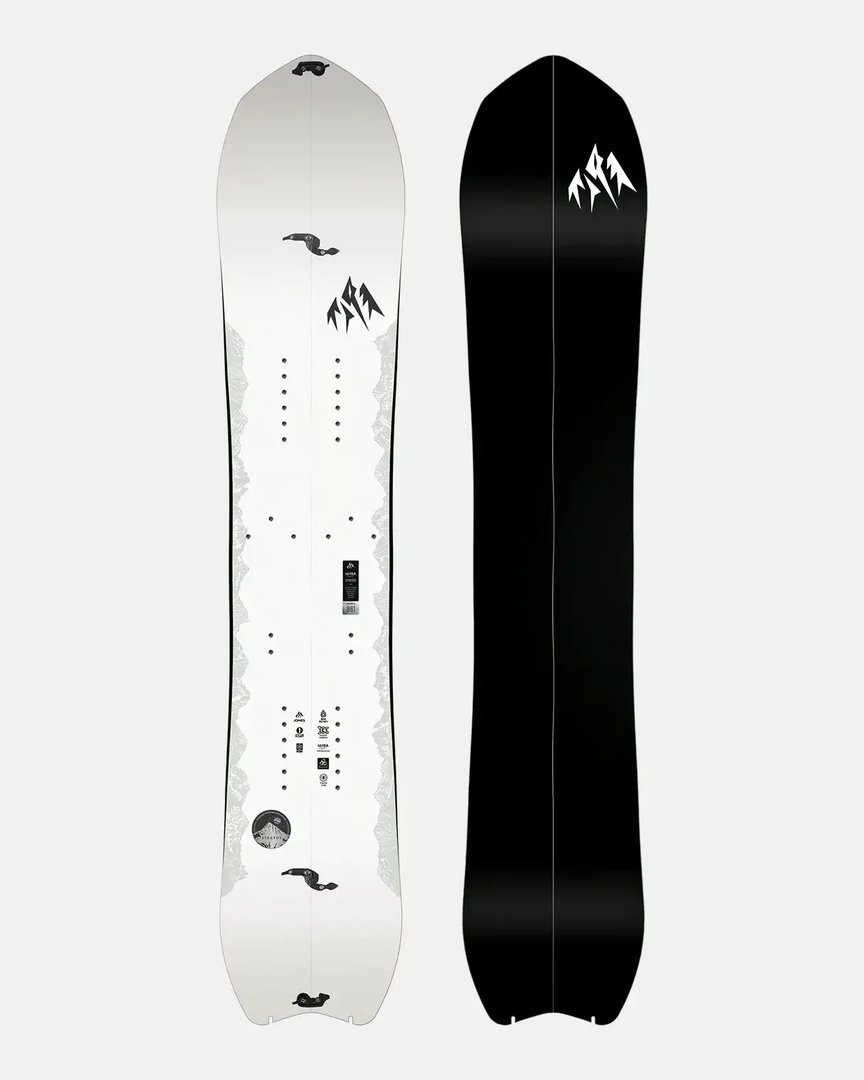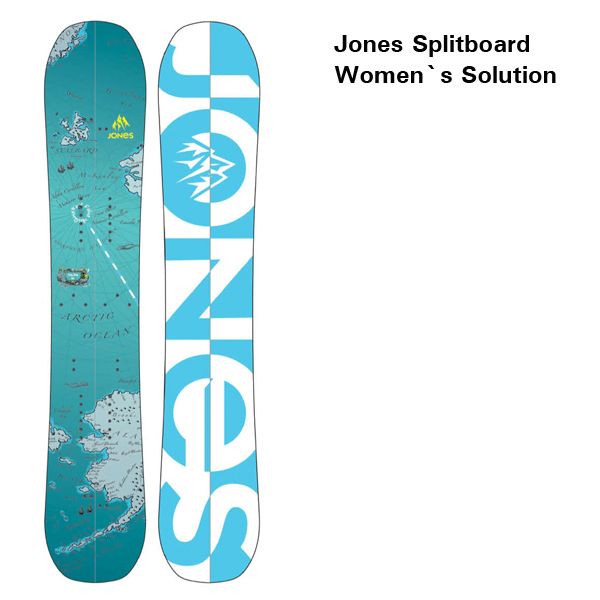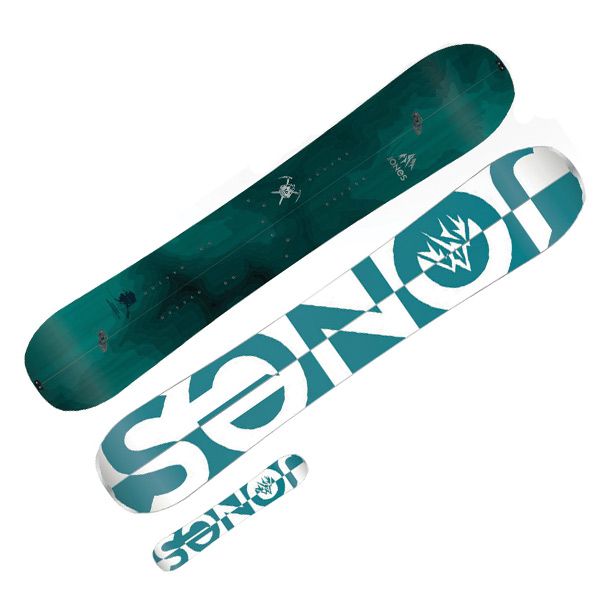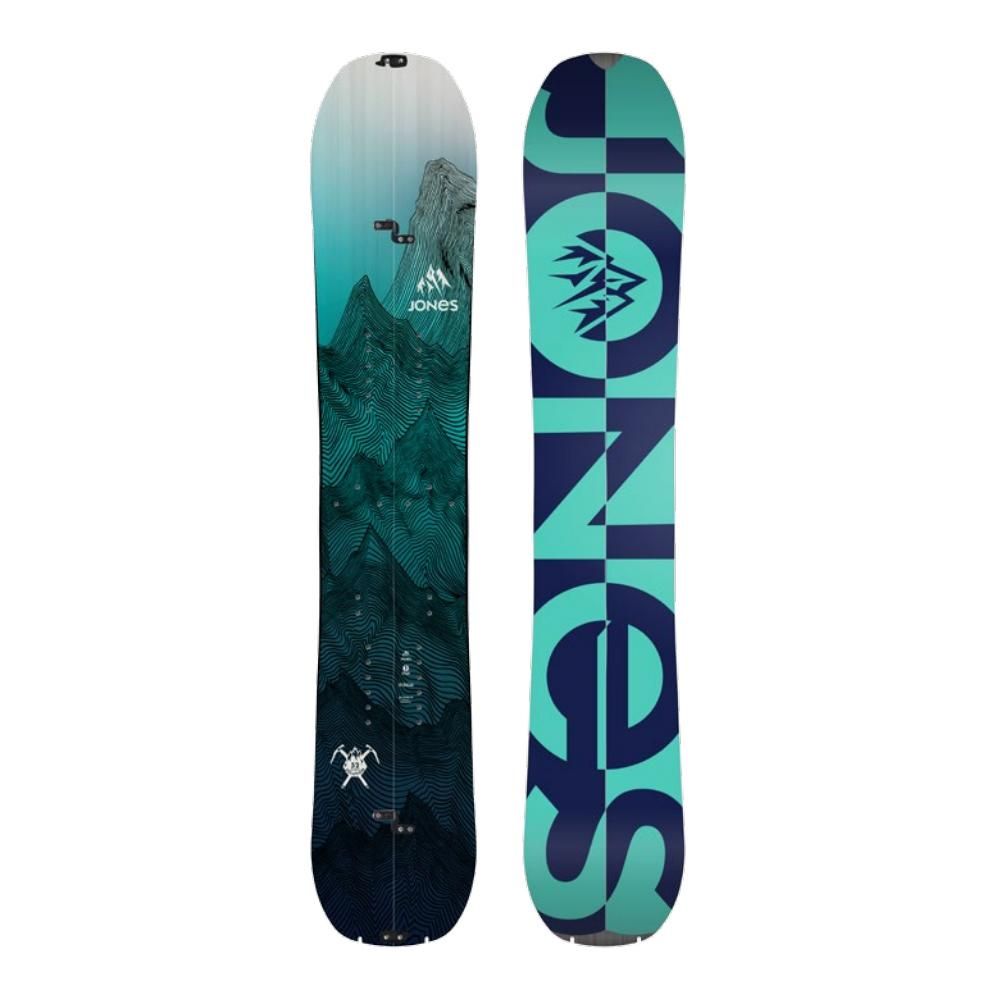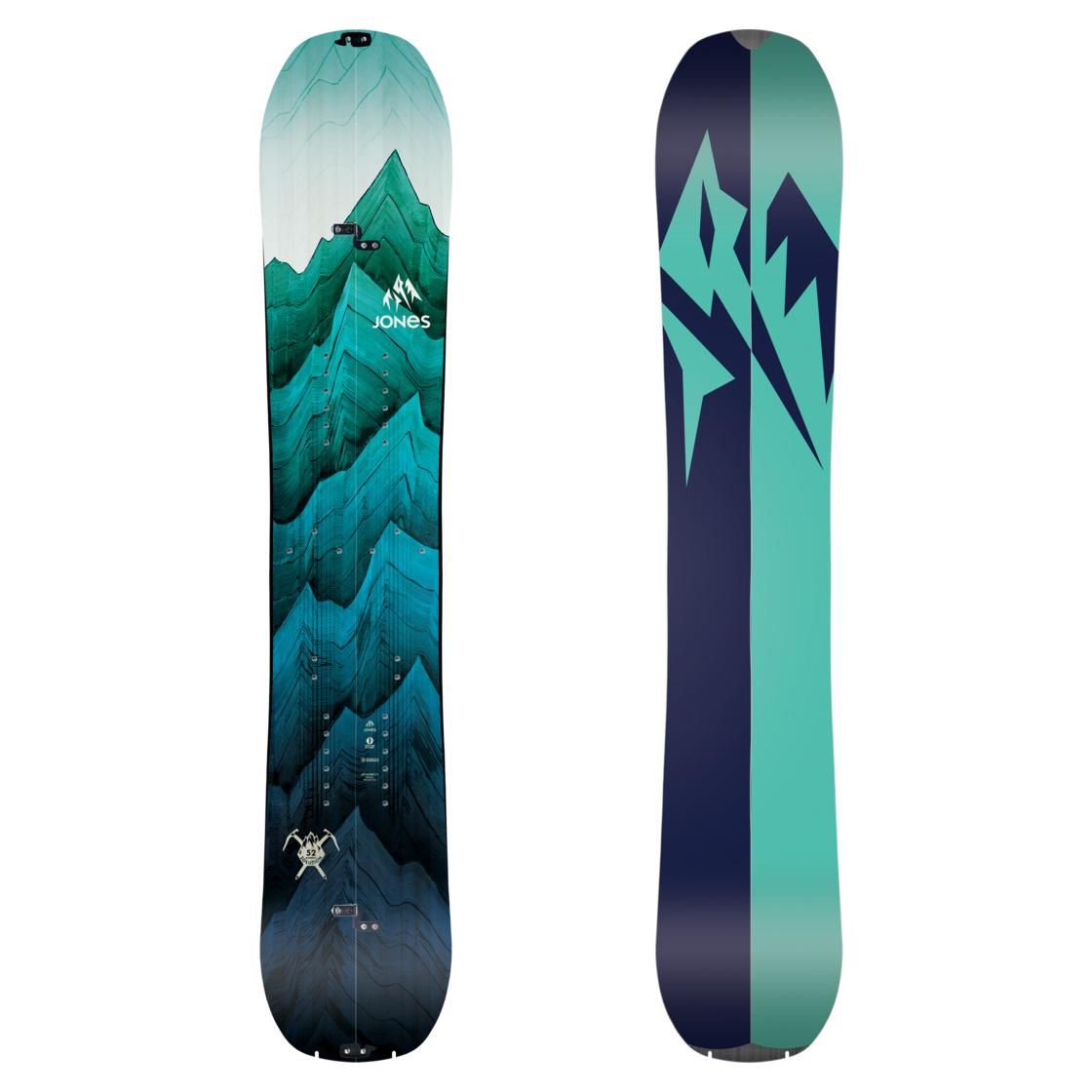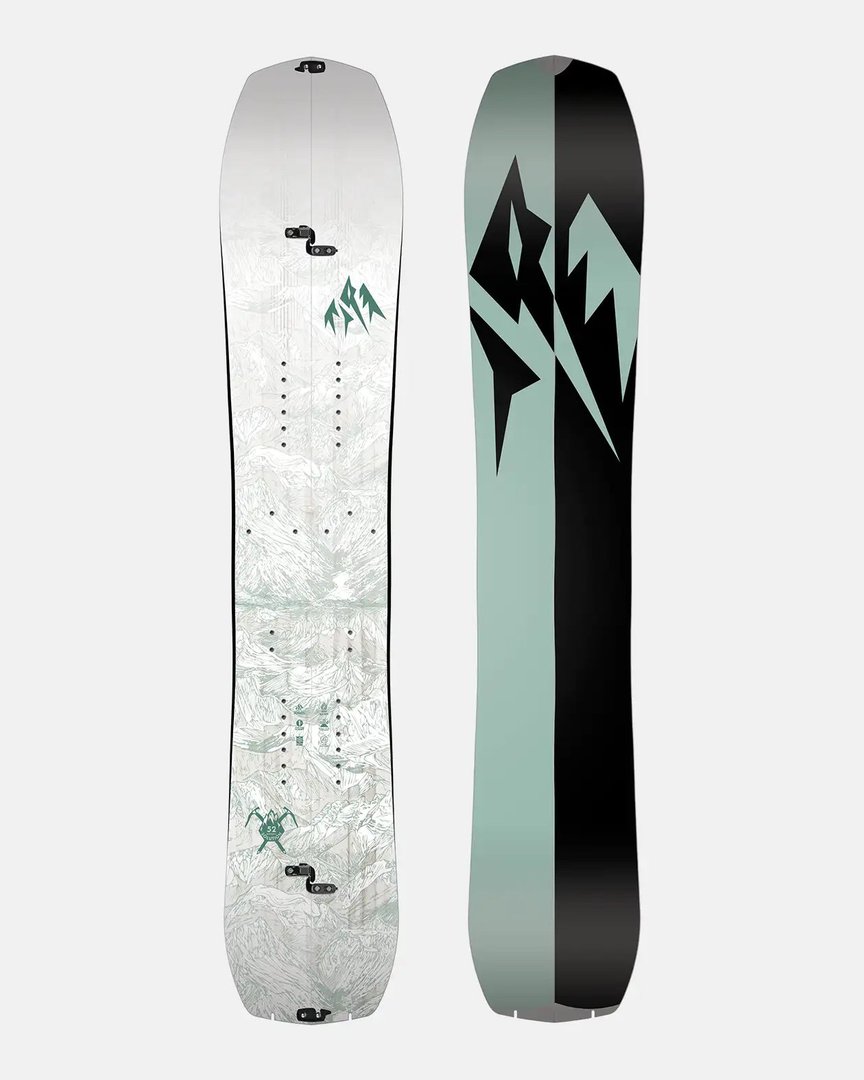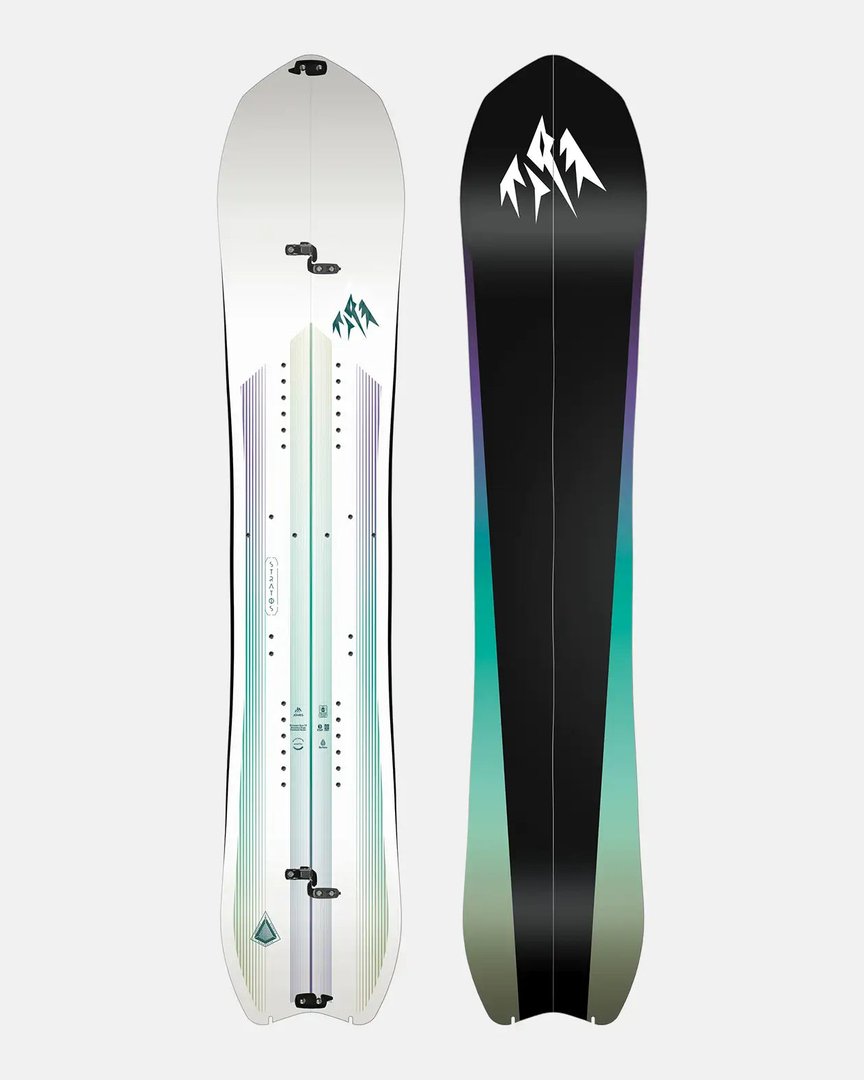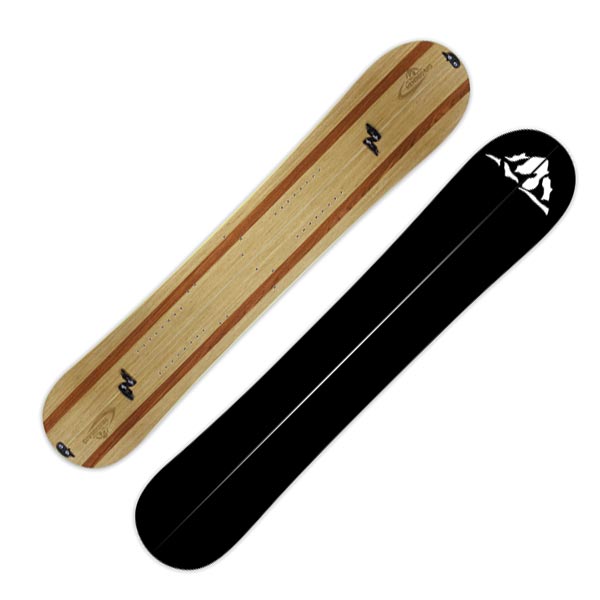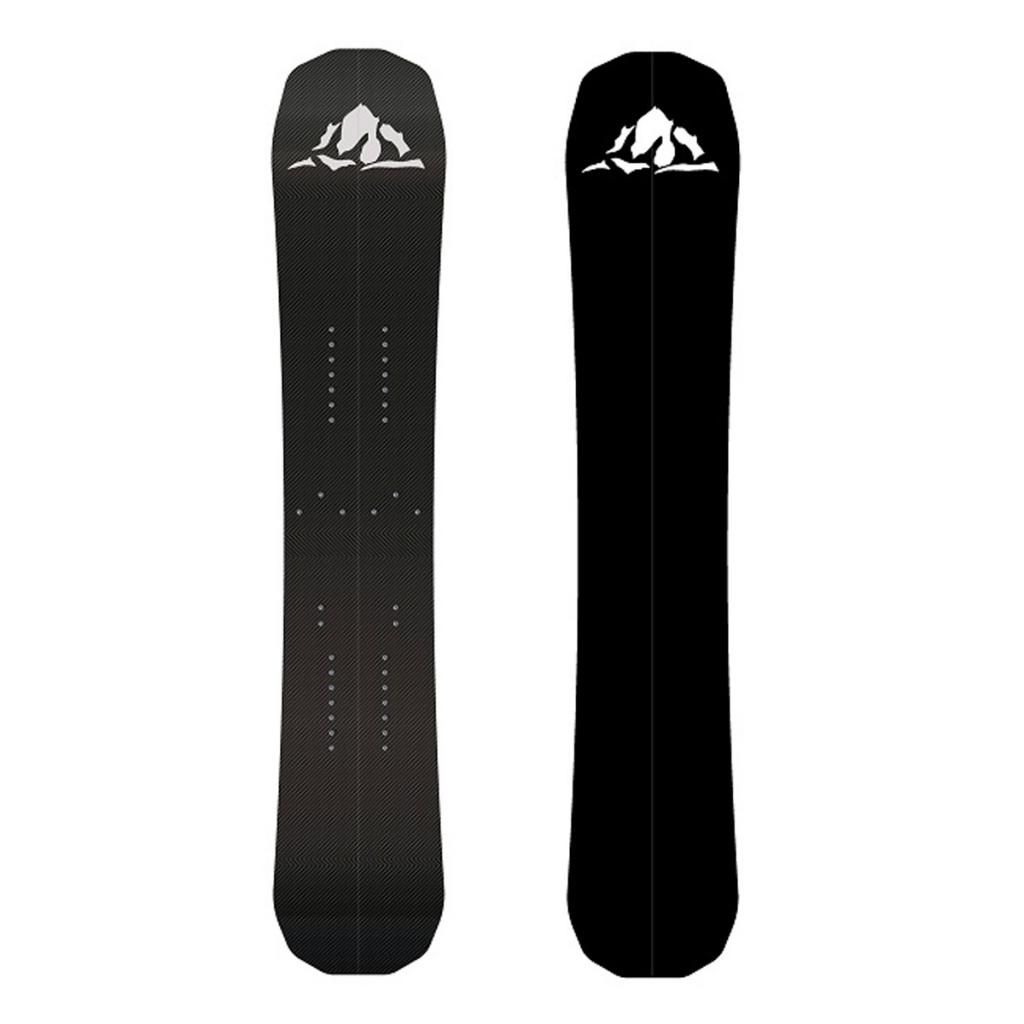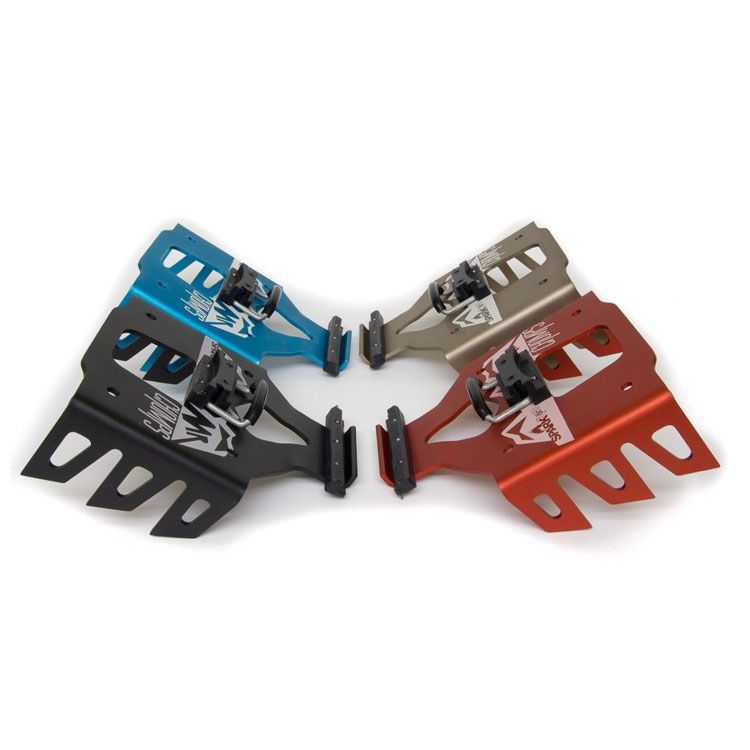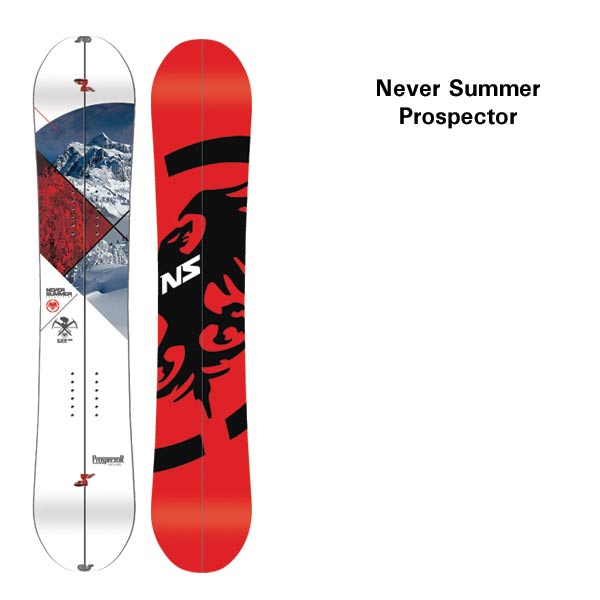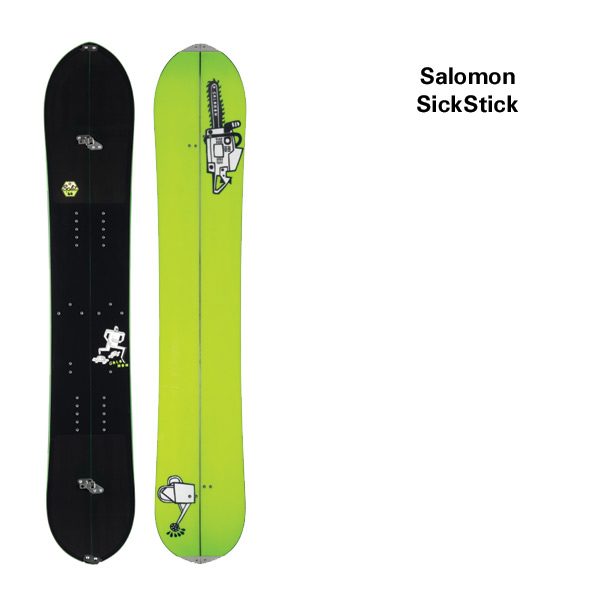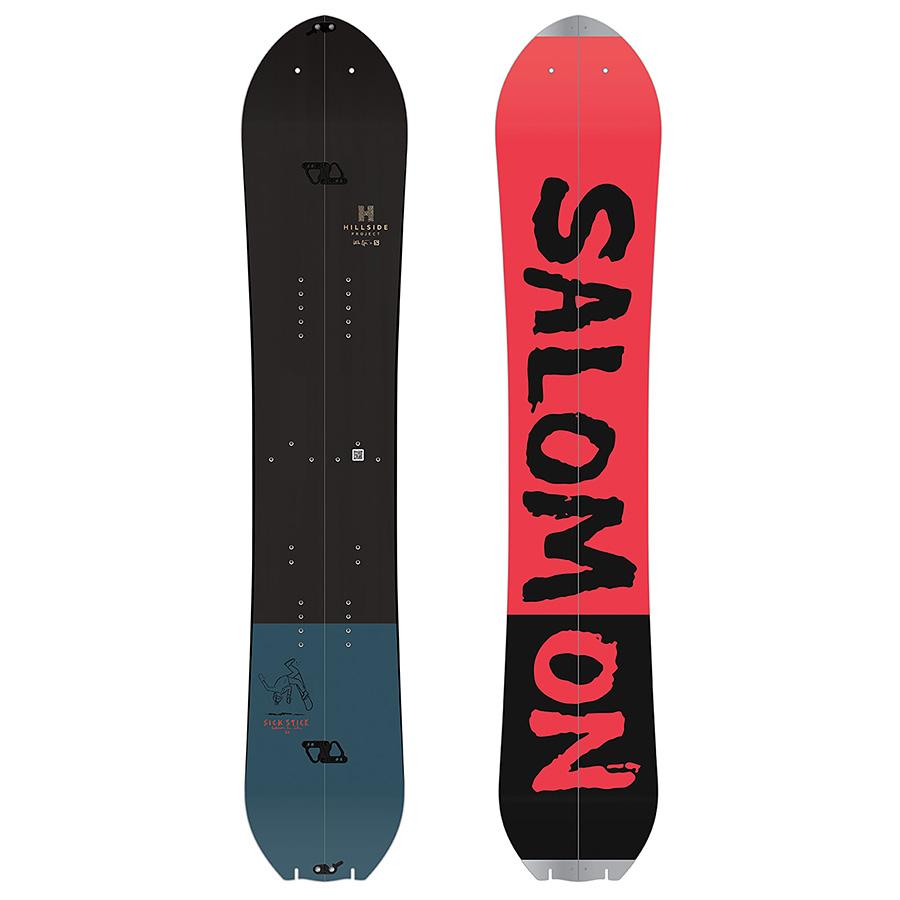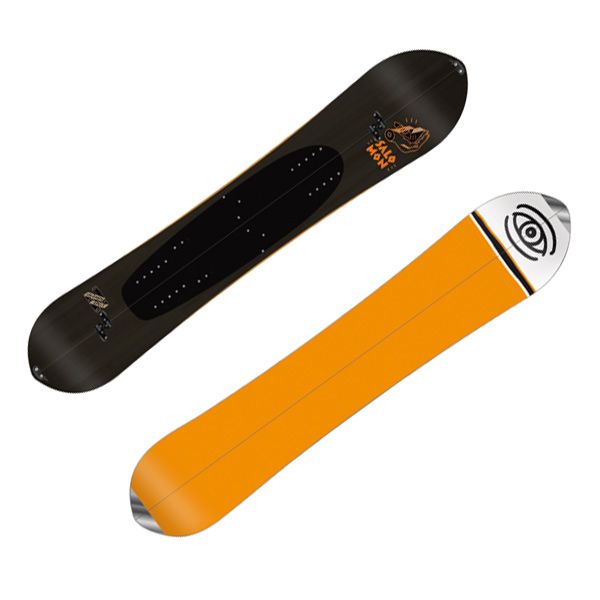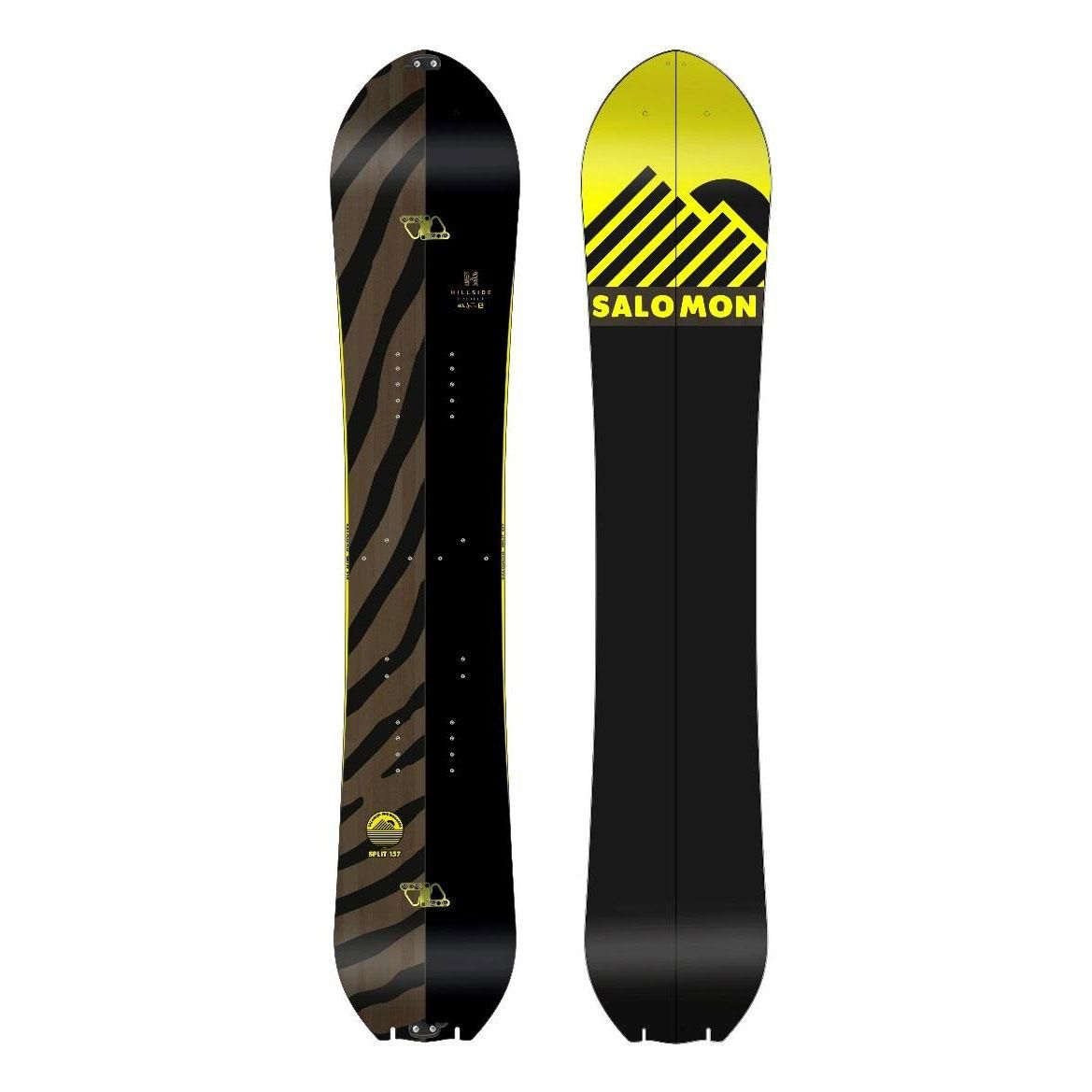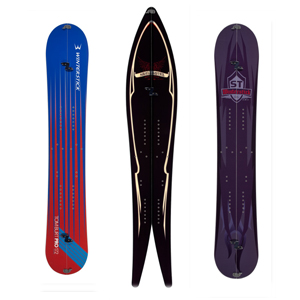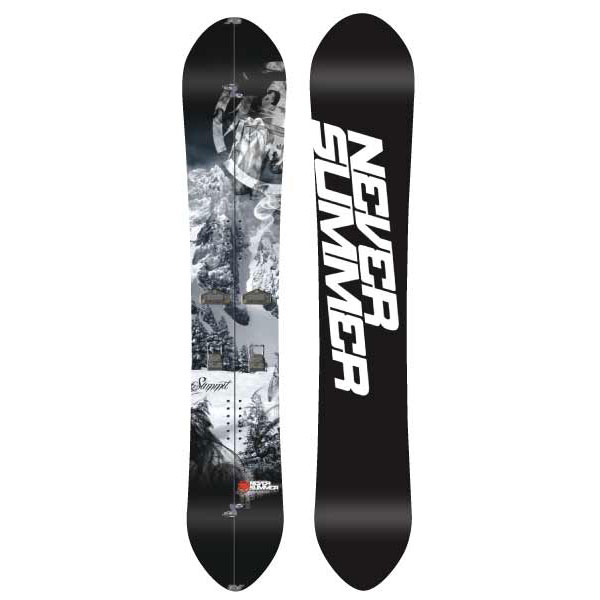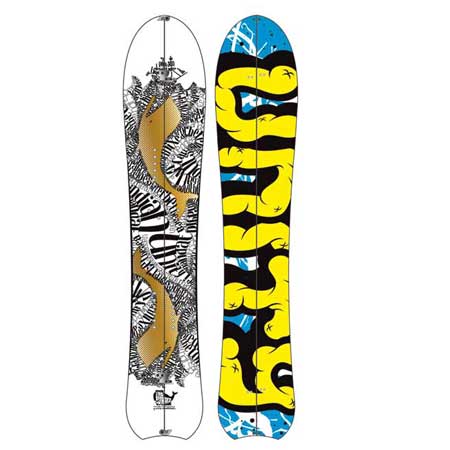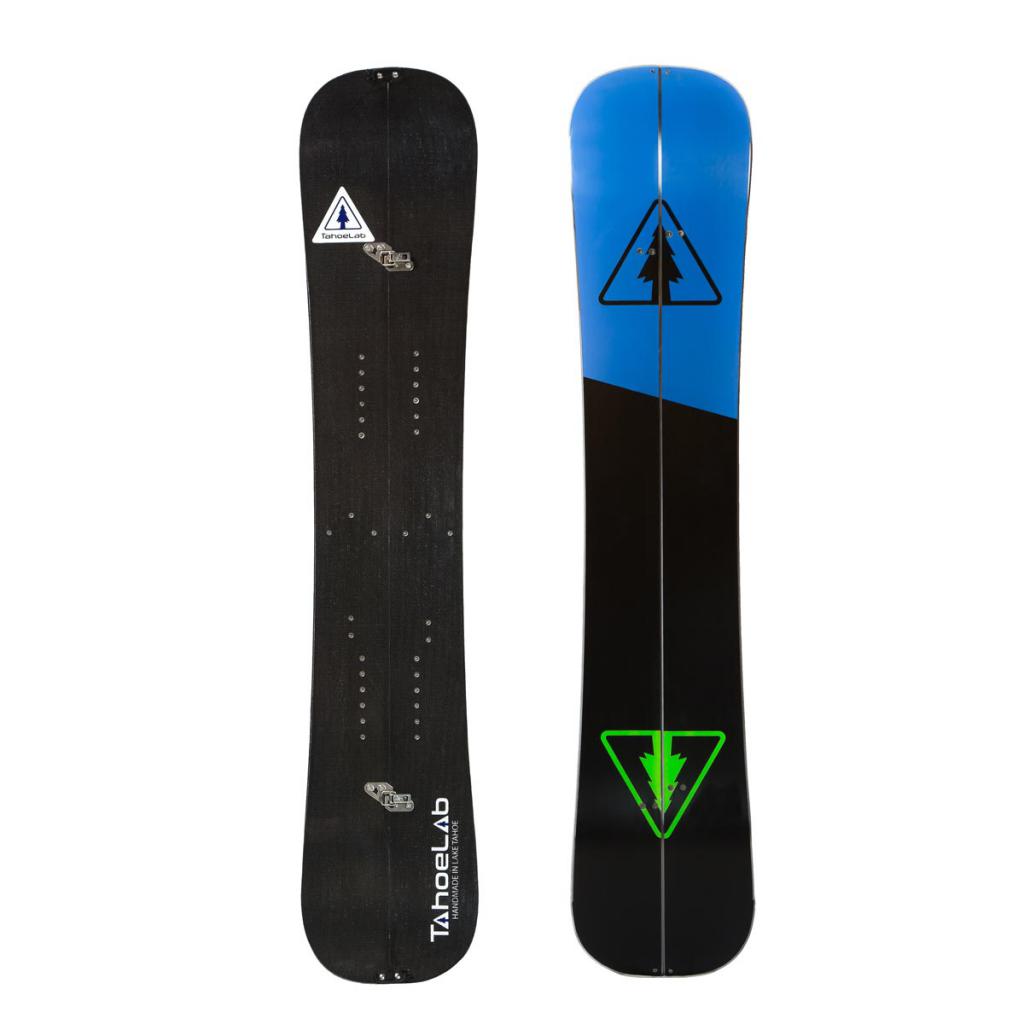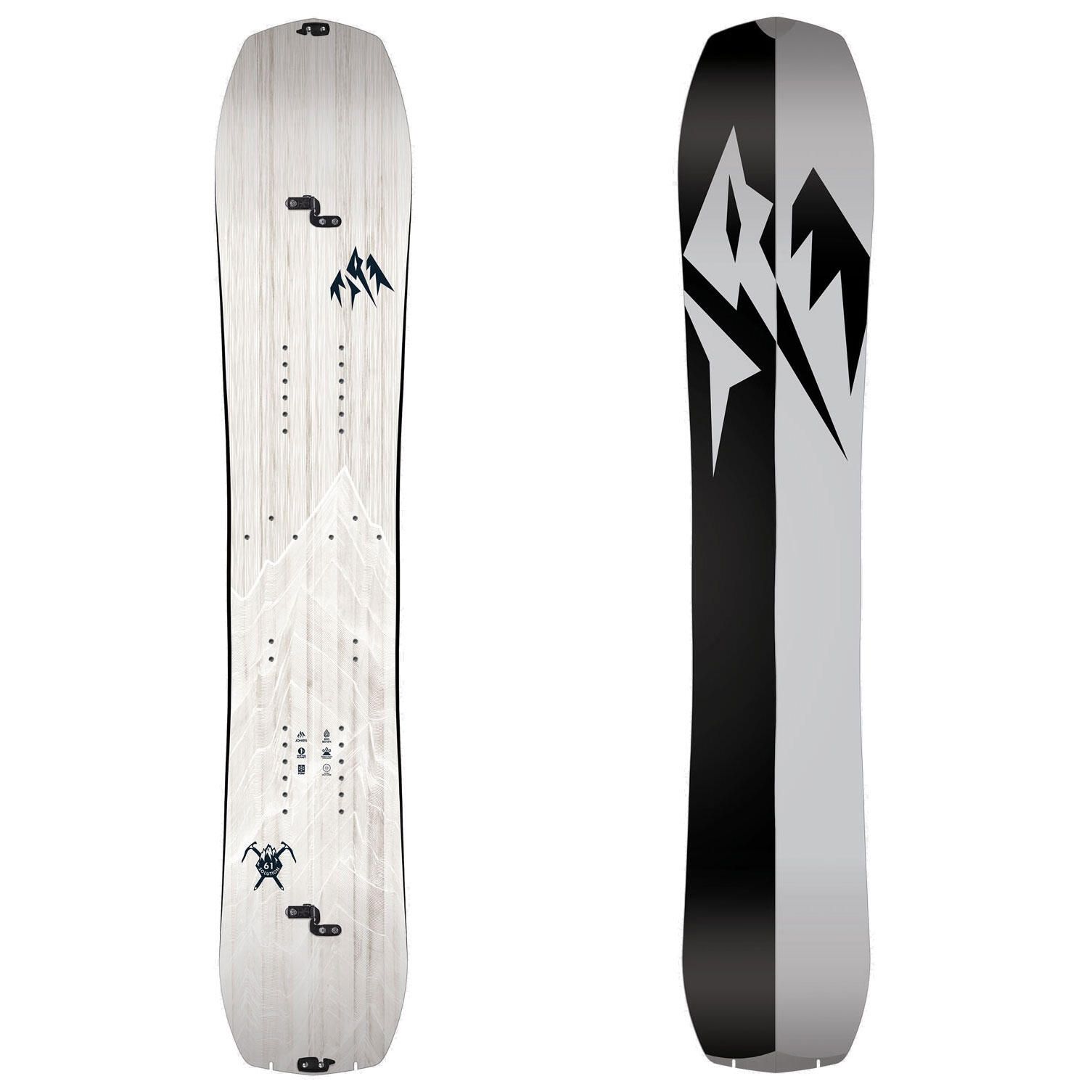
Jones Snowboards
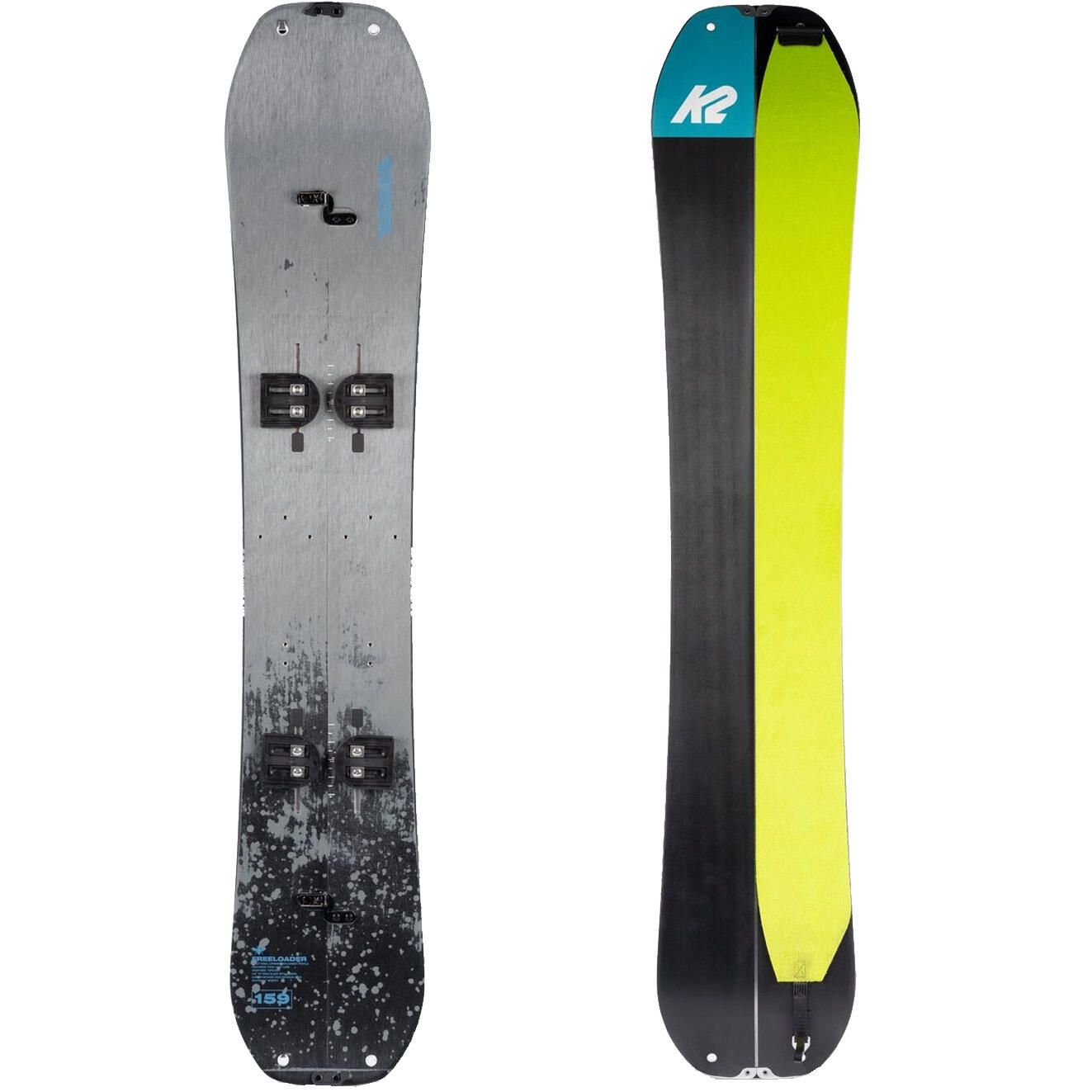
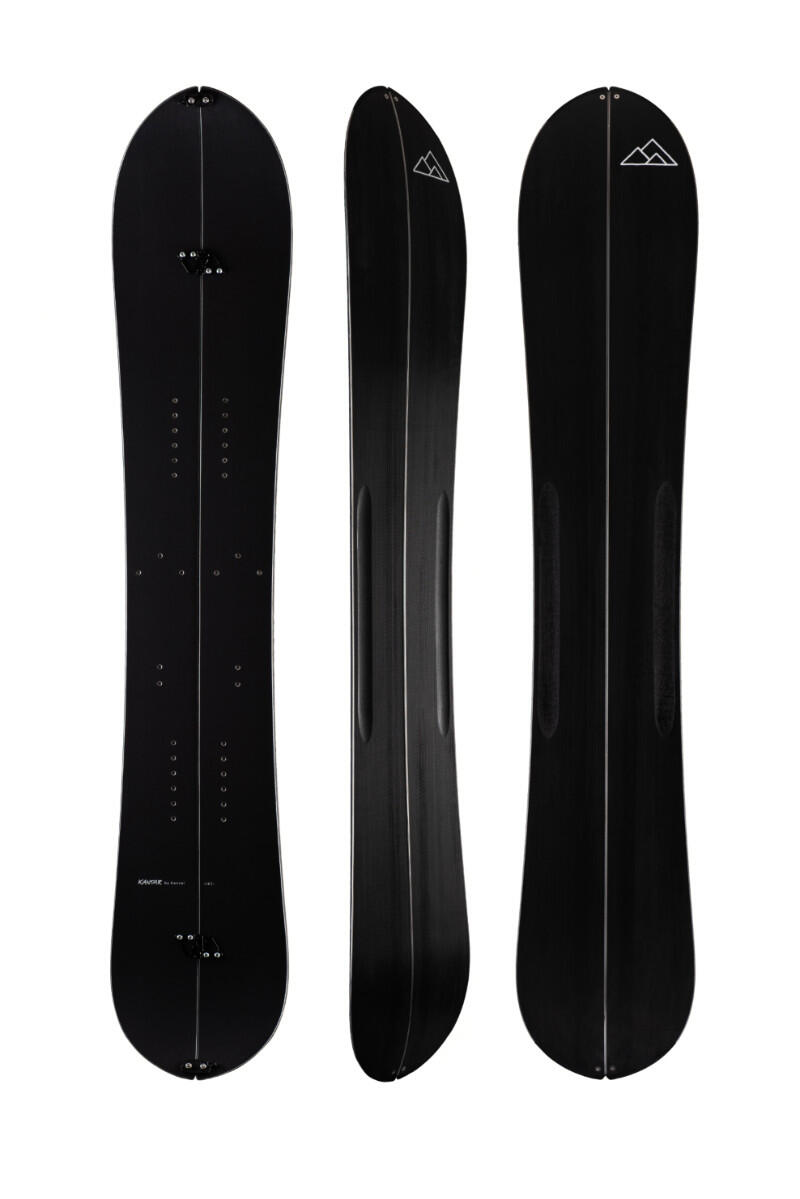
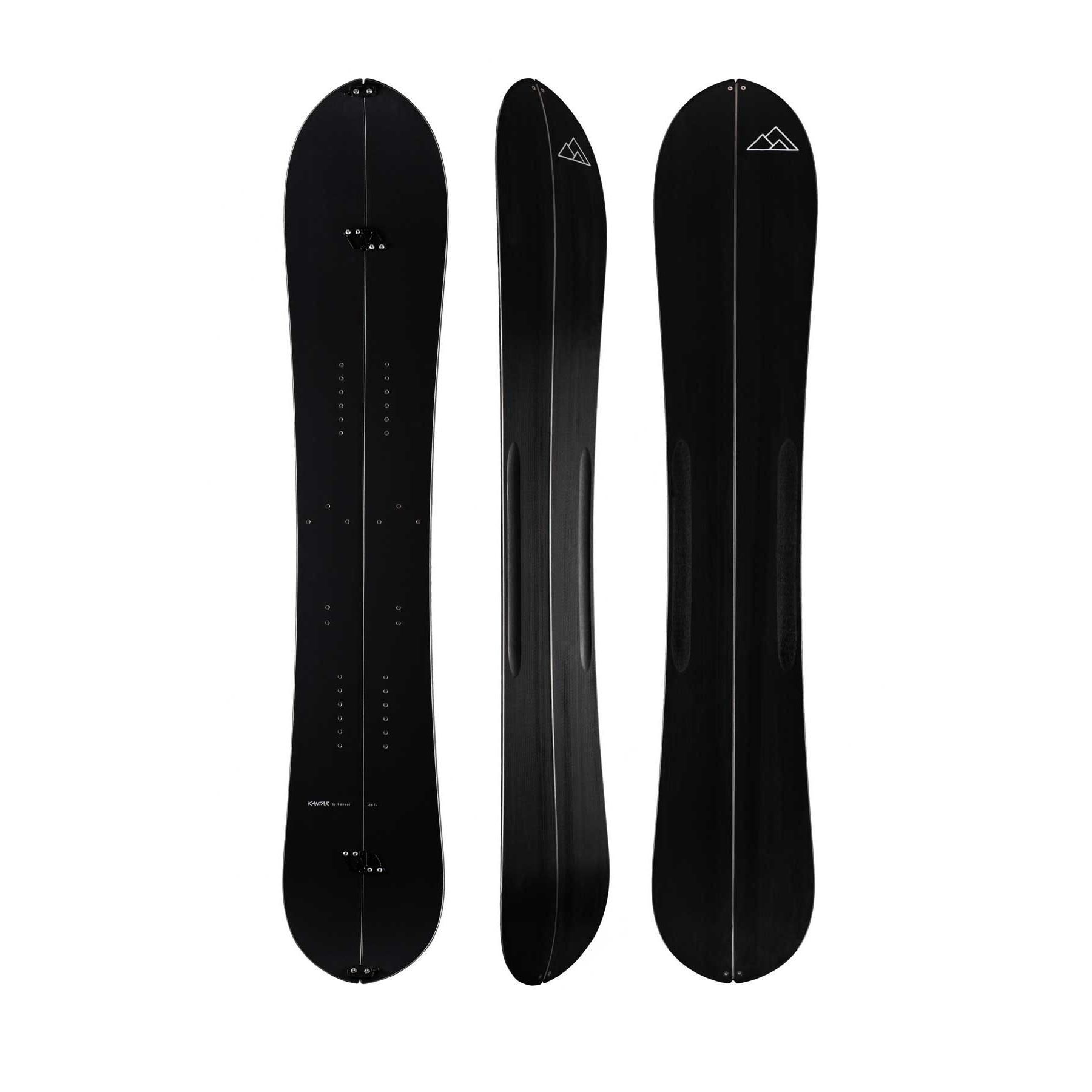

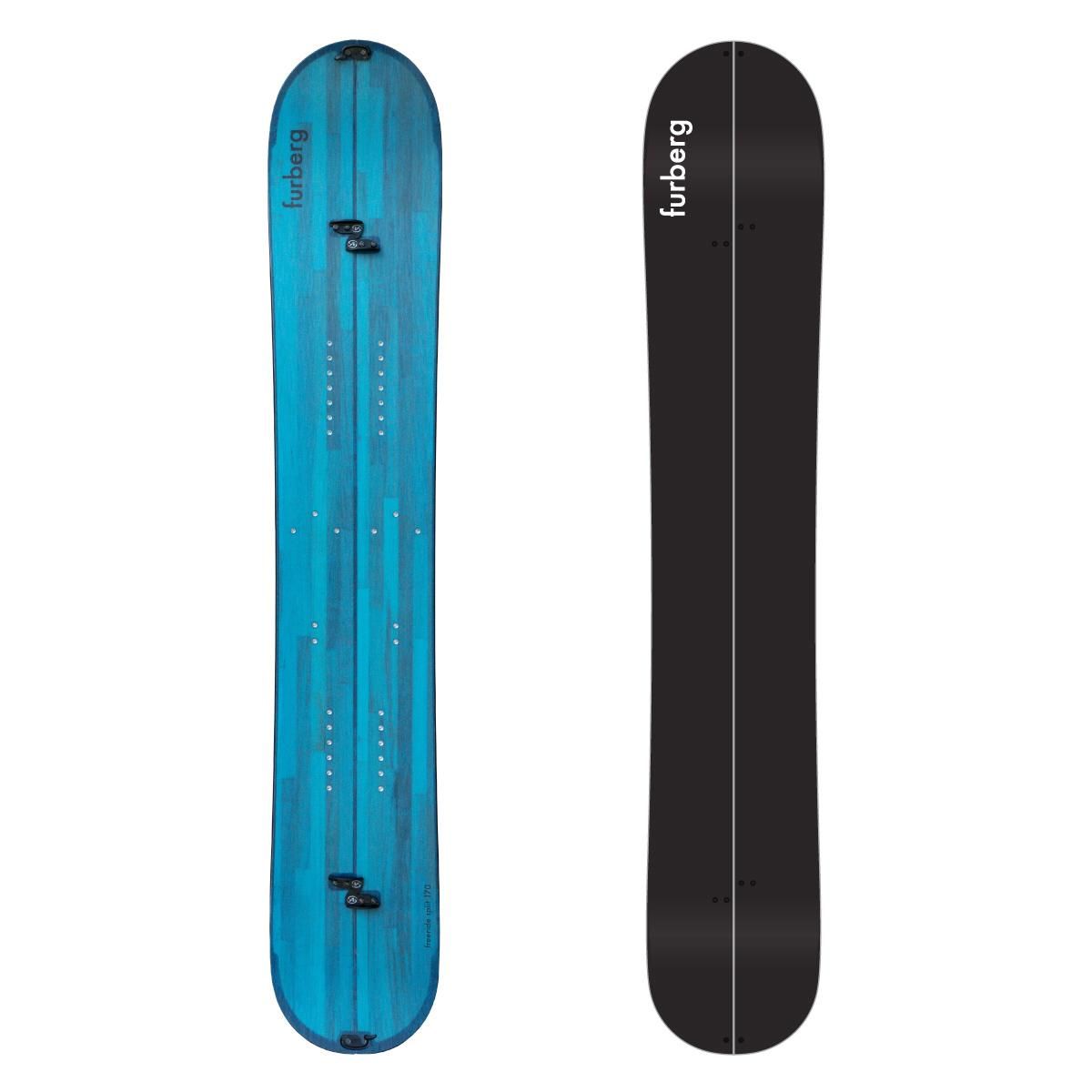
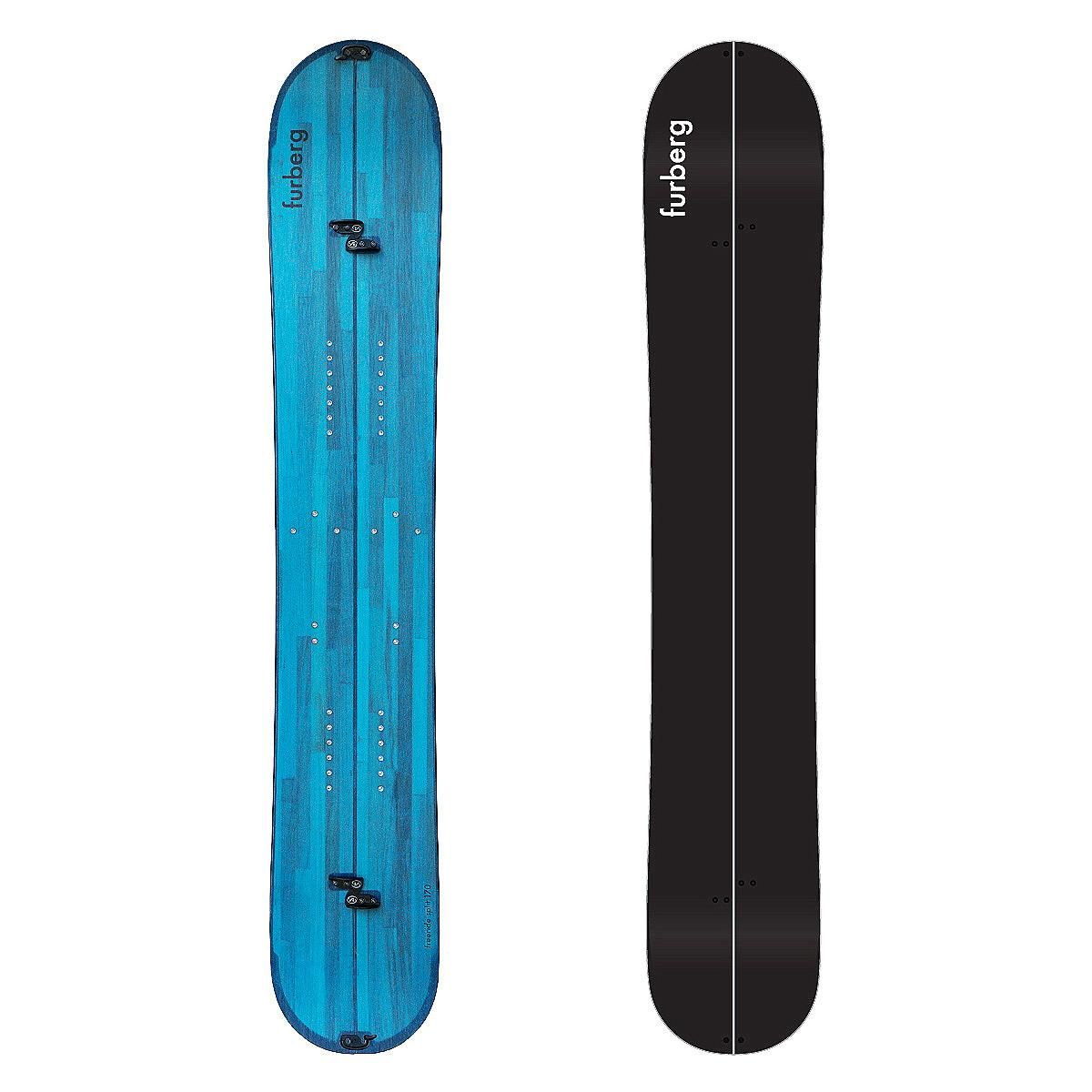
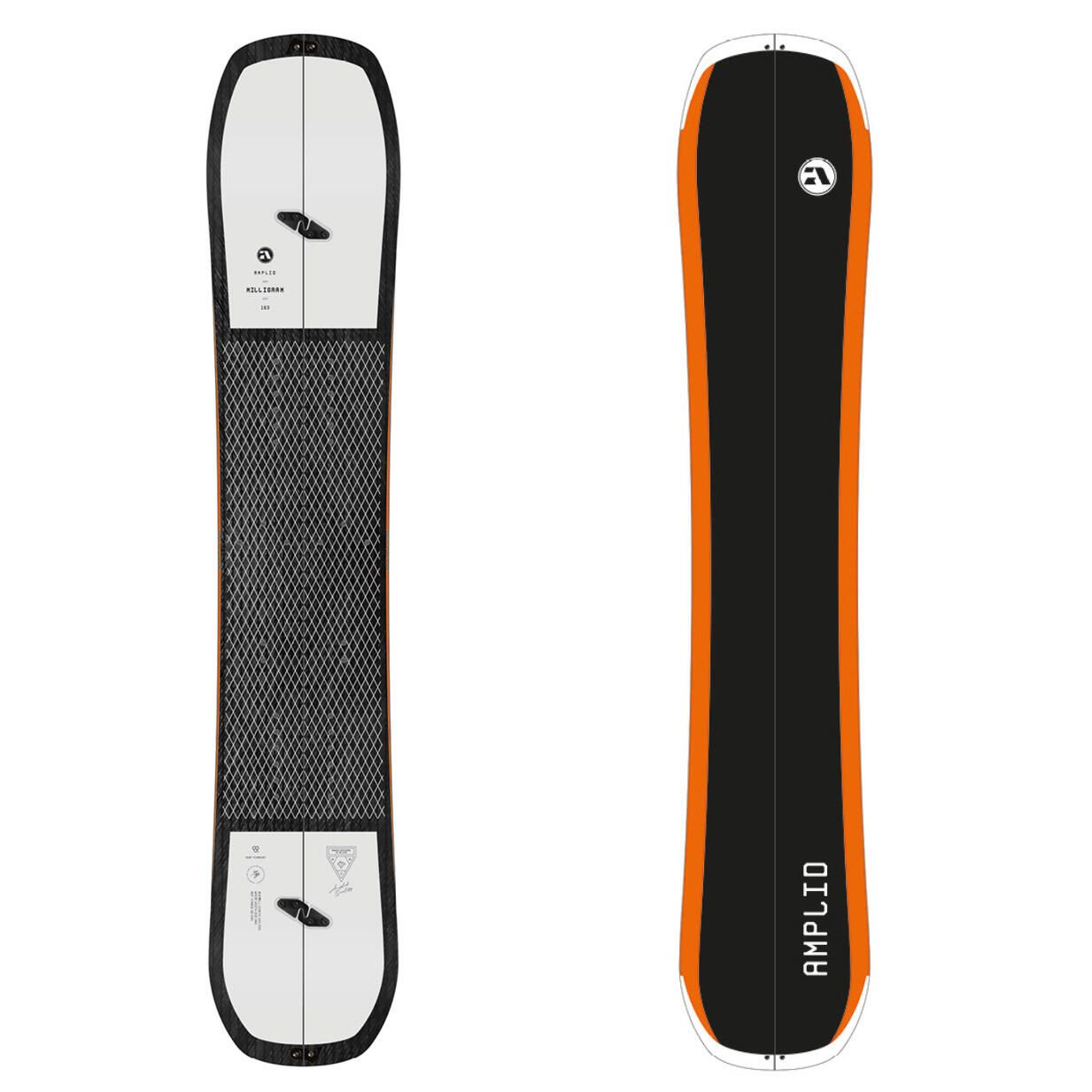
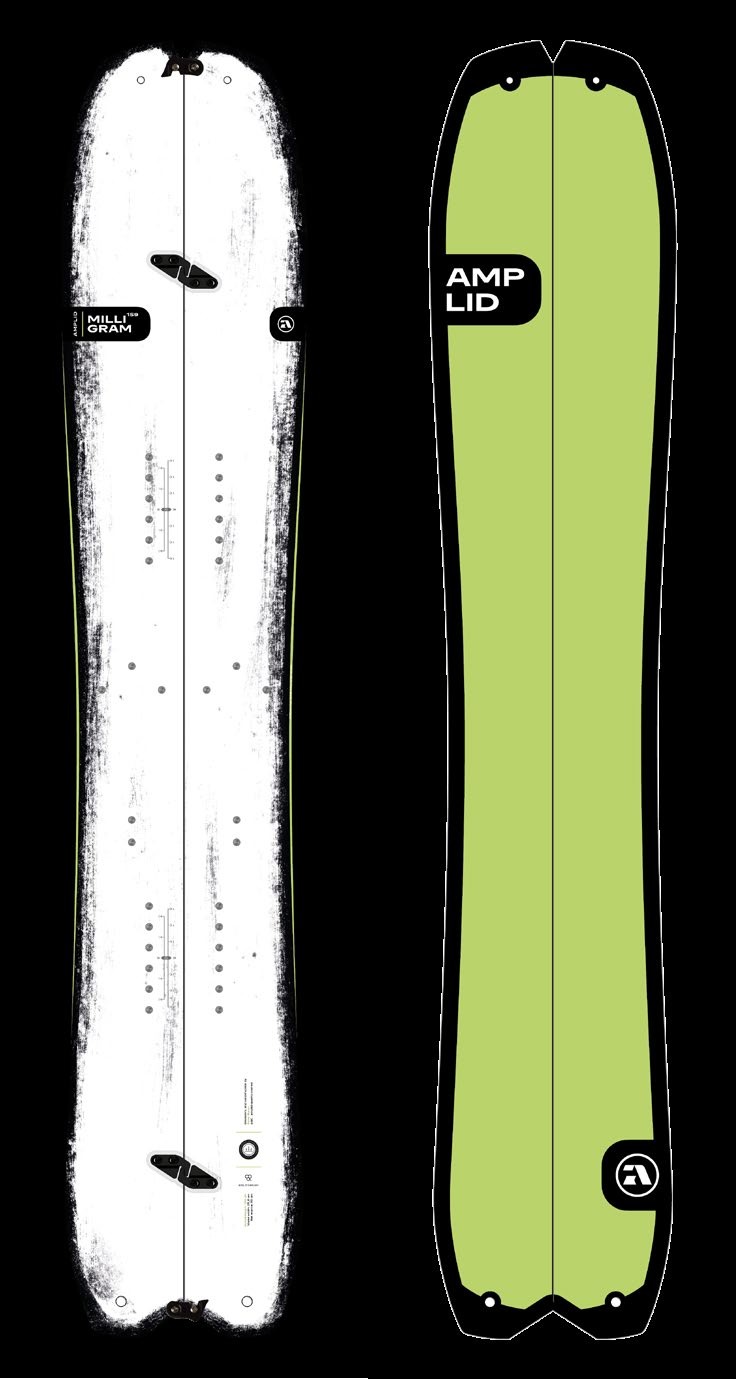
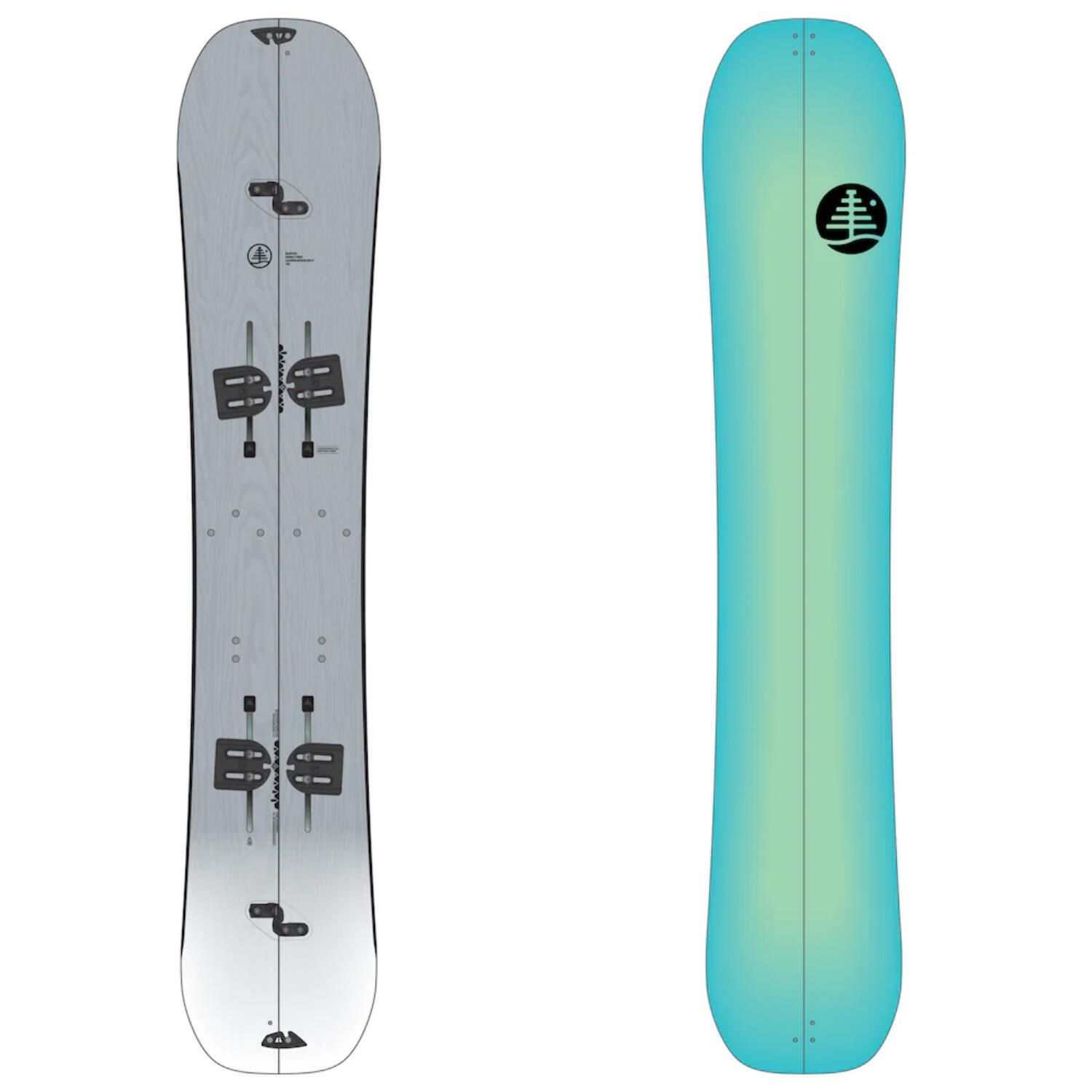
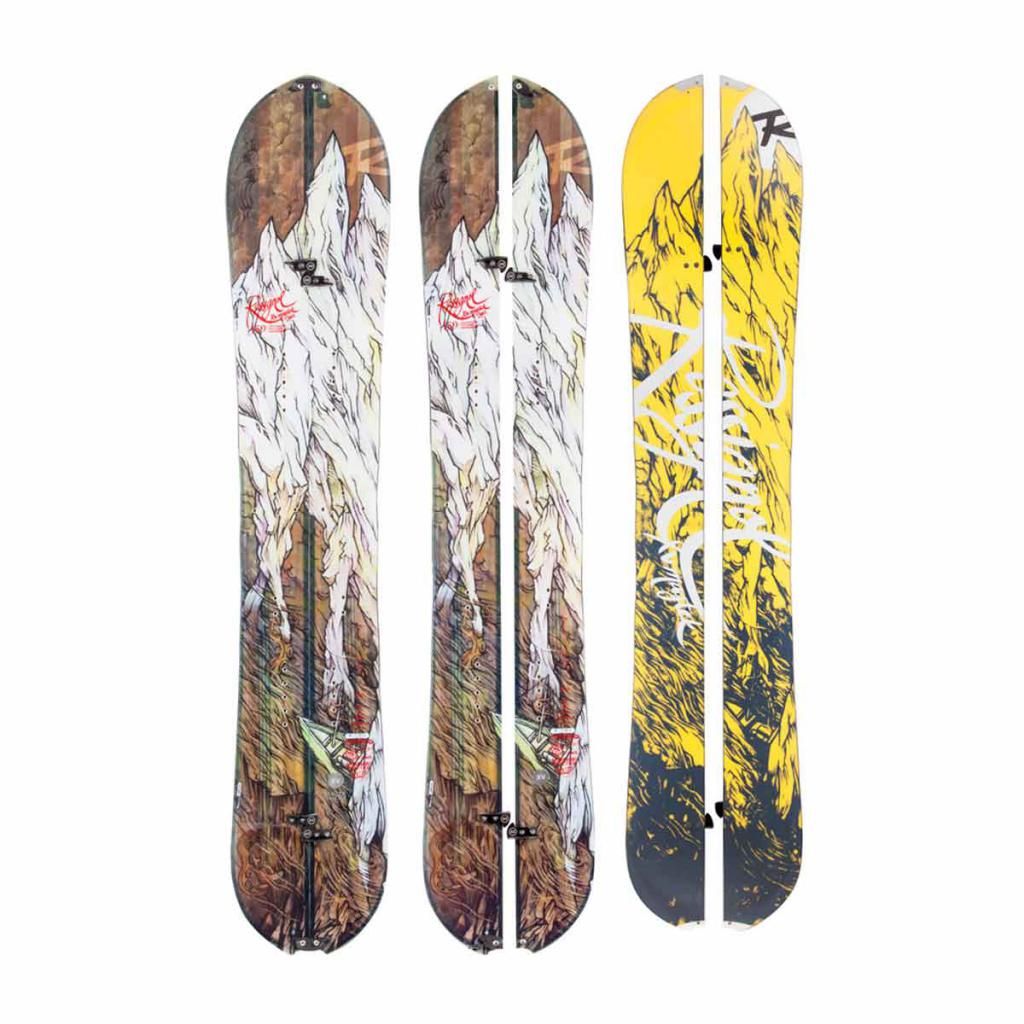
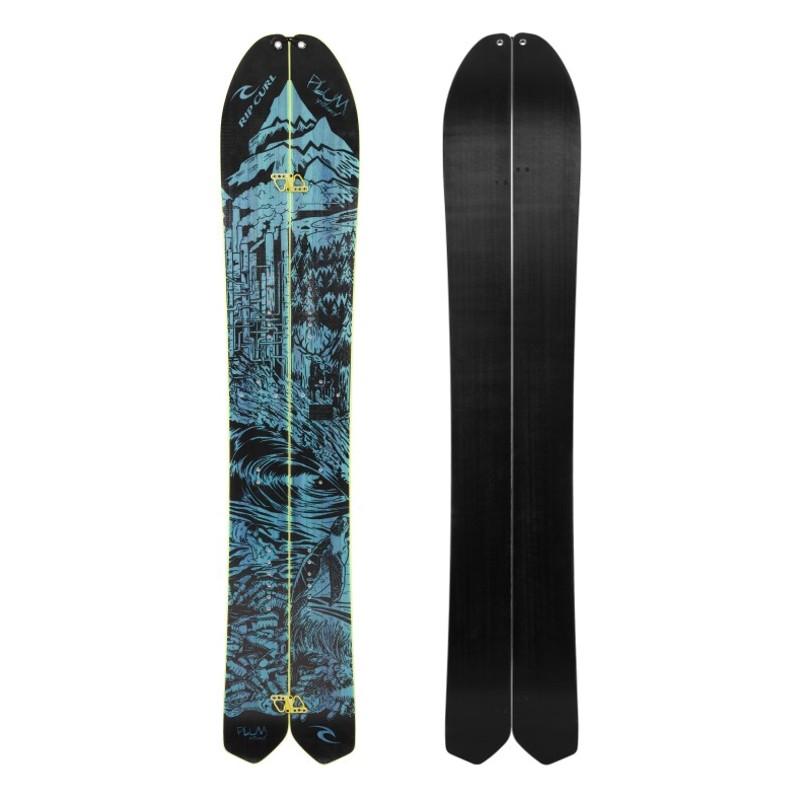
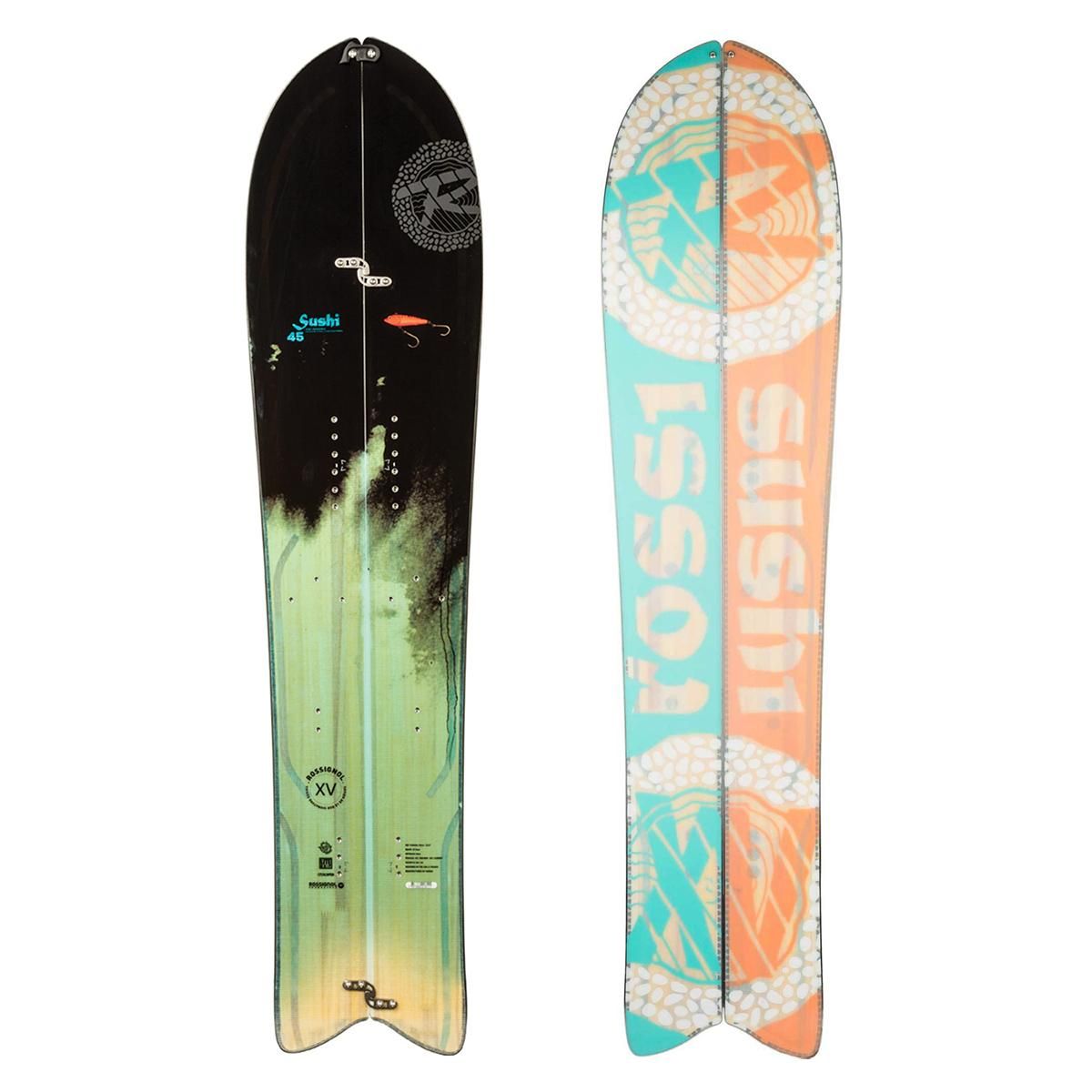
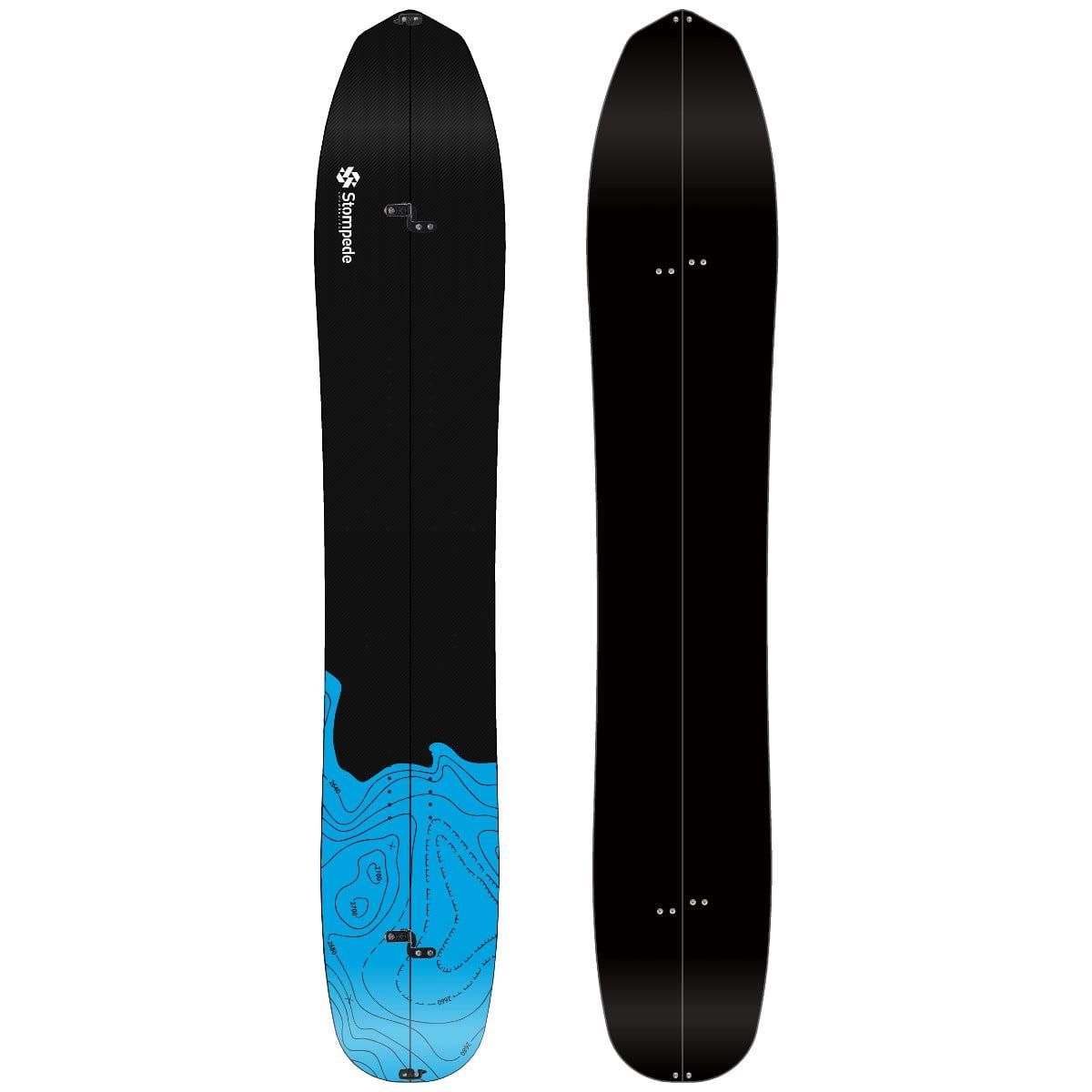
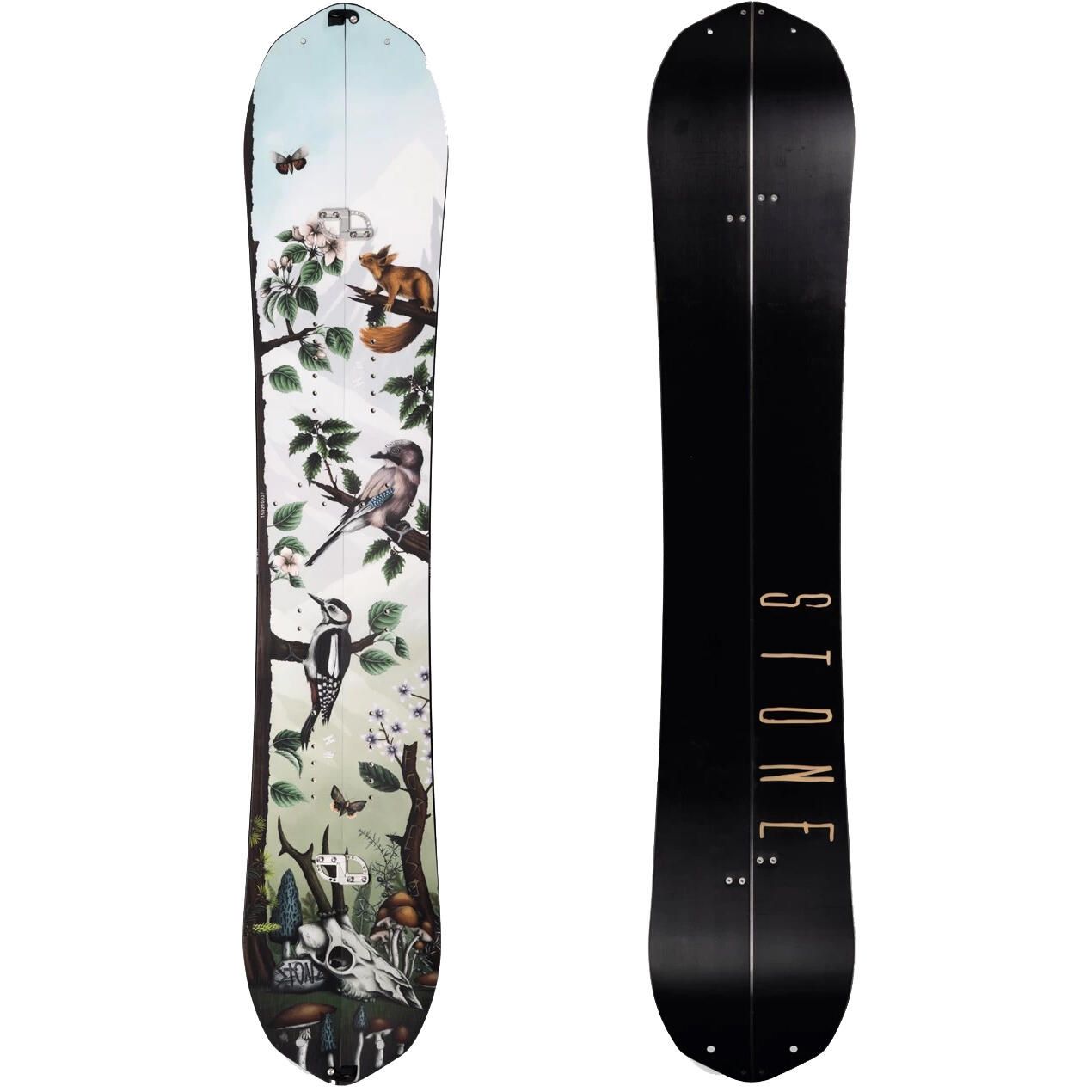
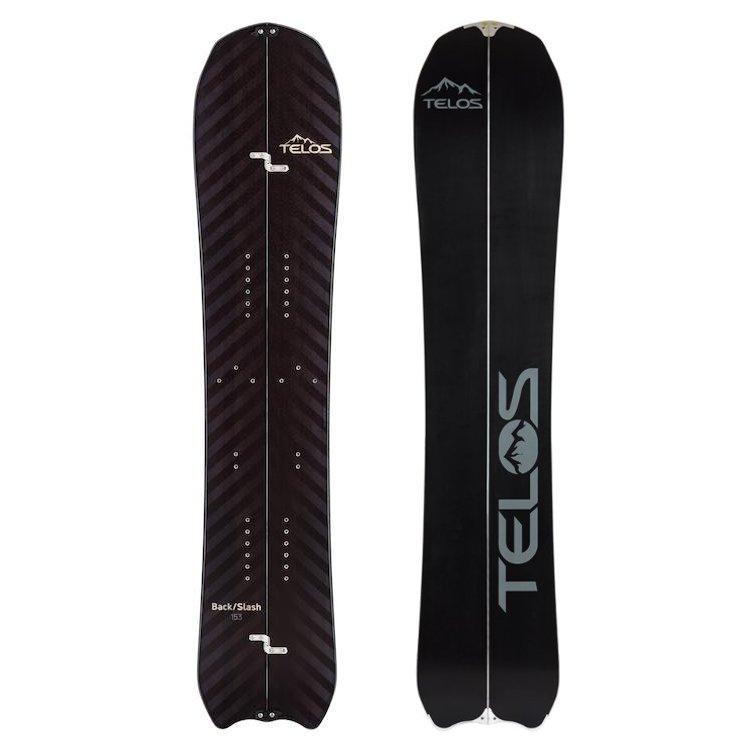
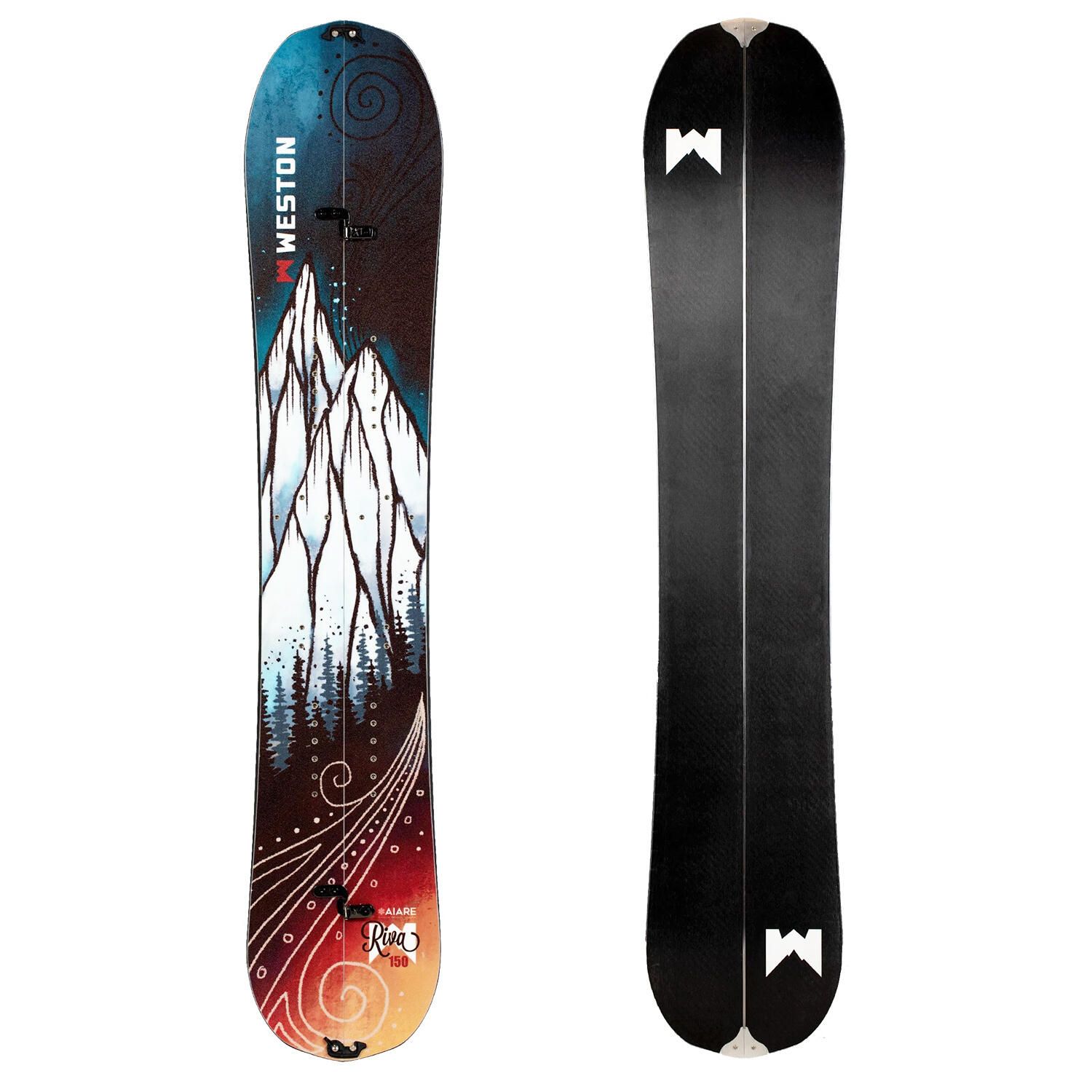
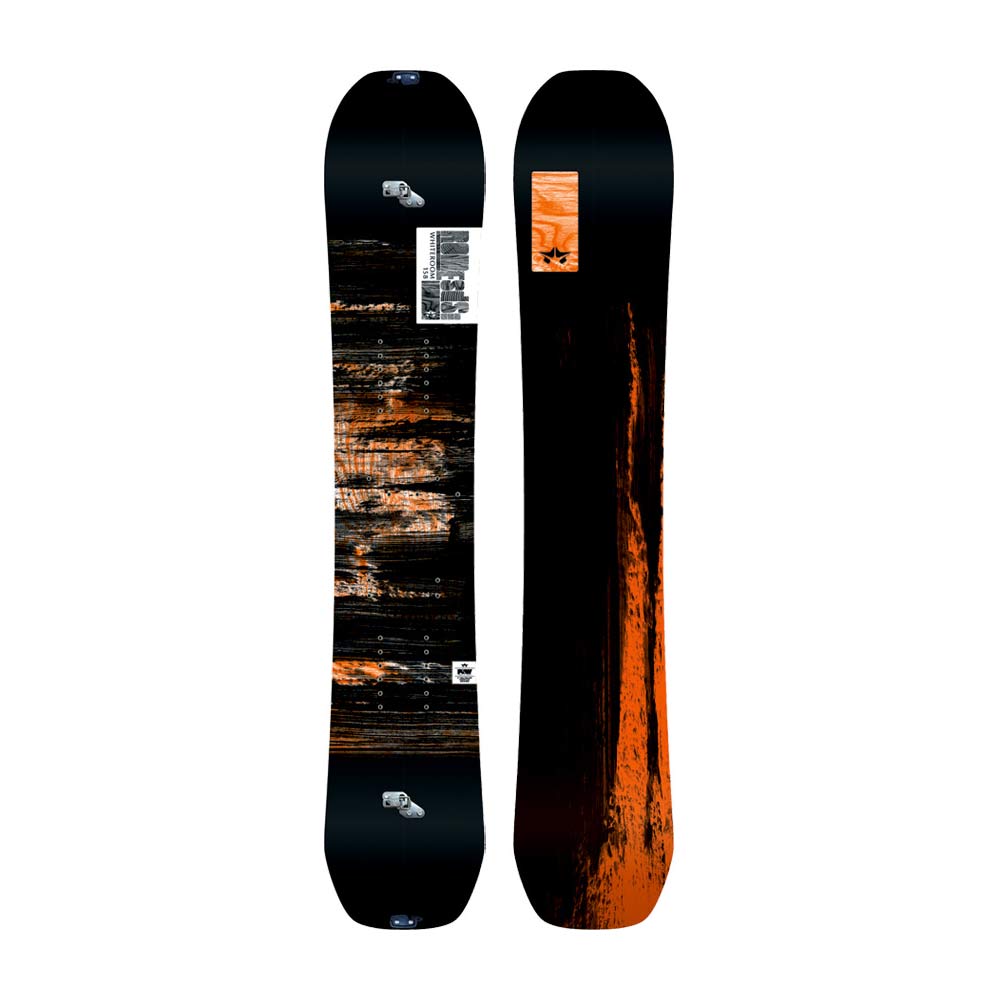
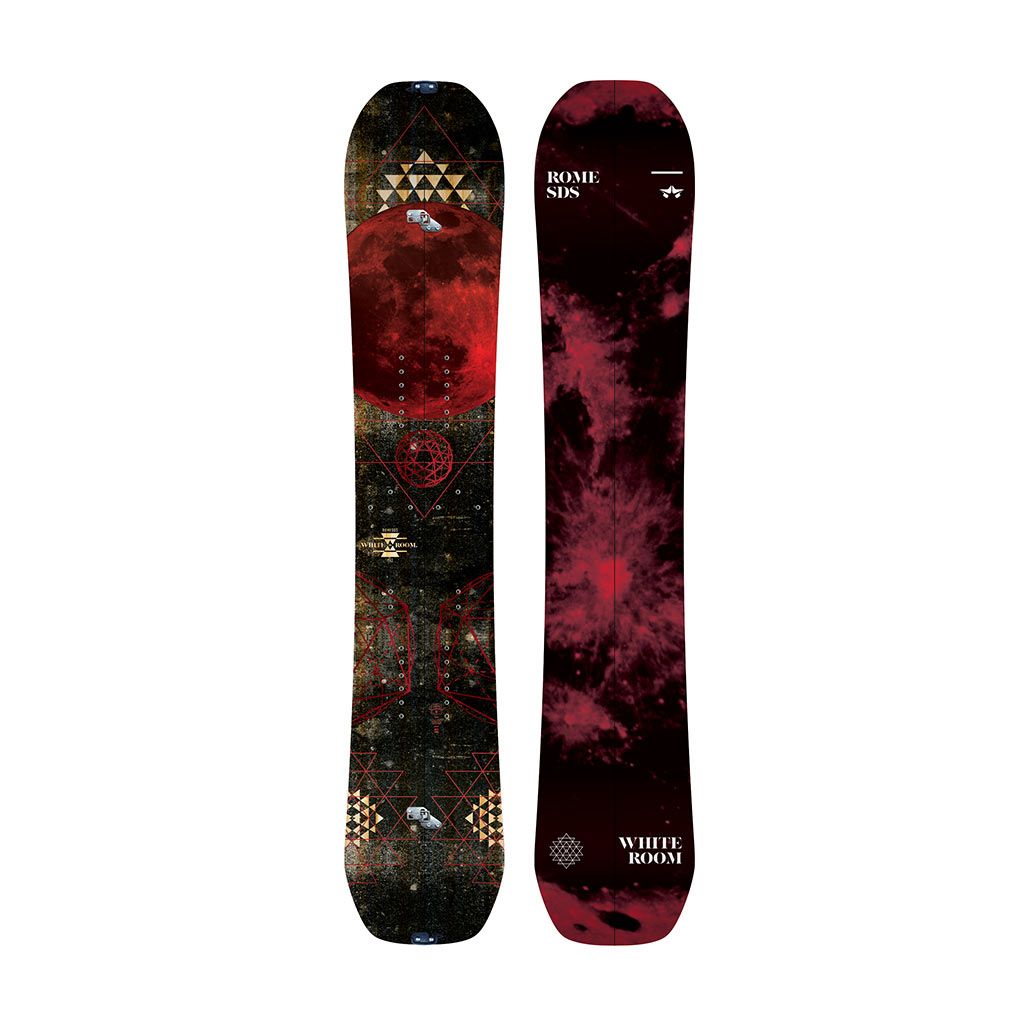
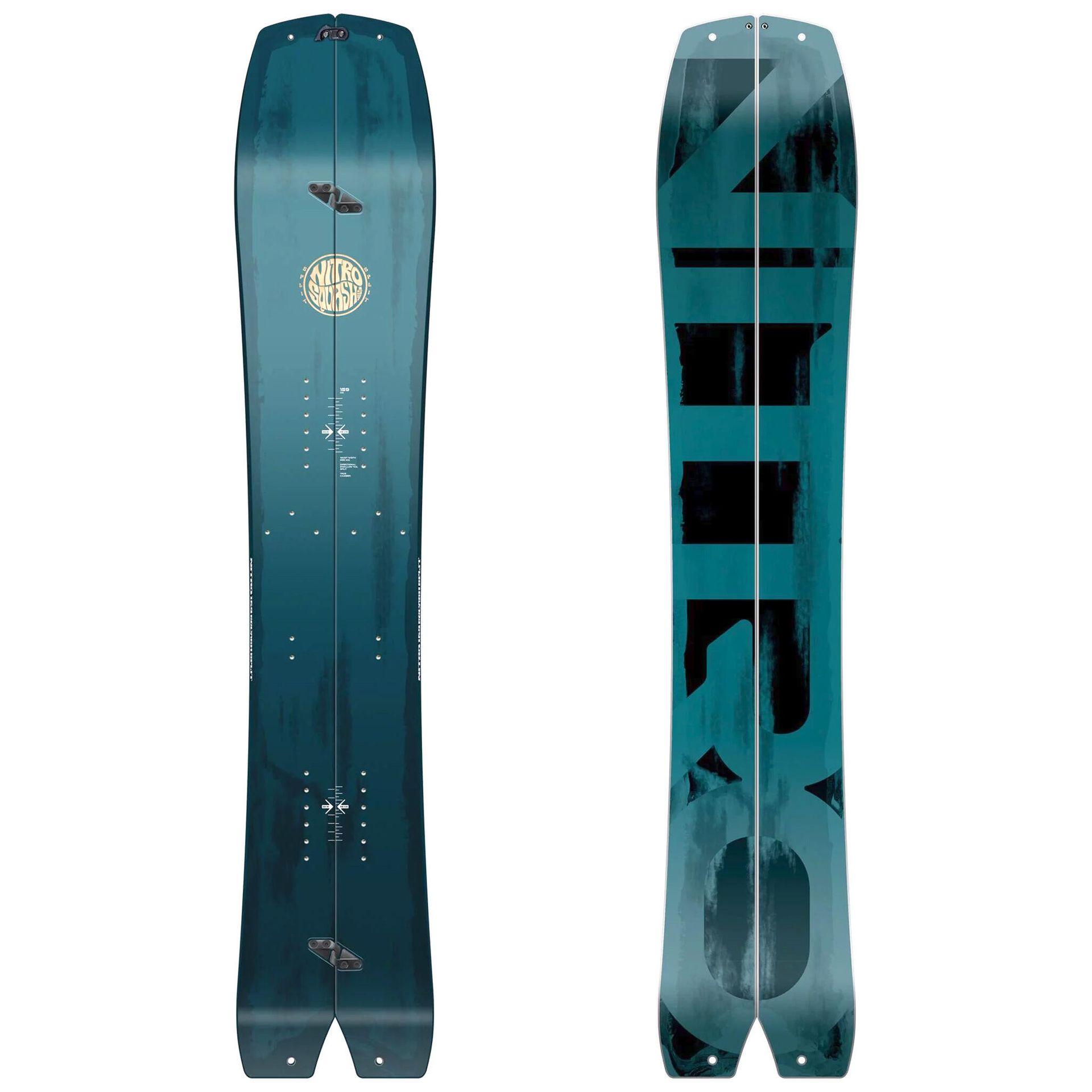
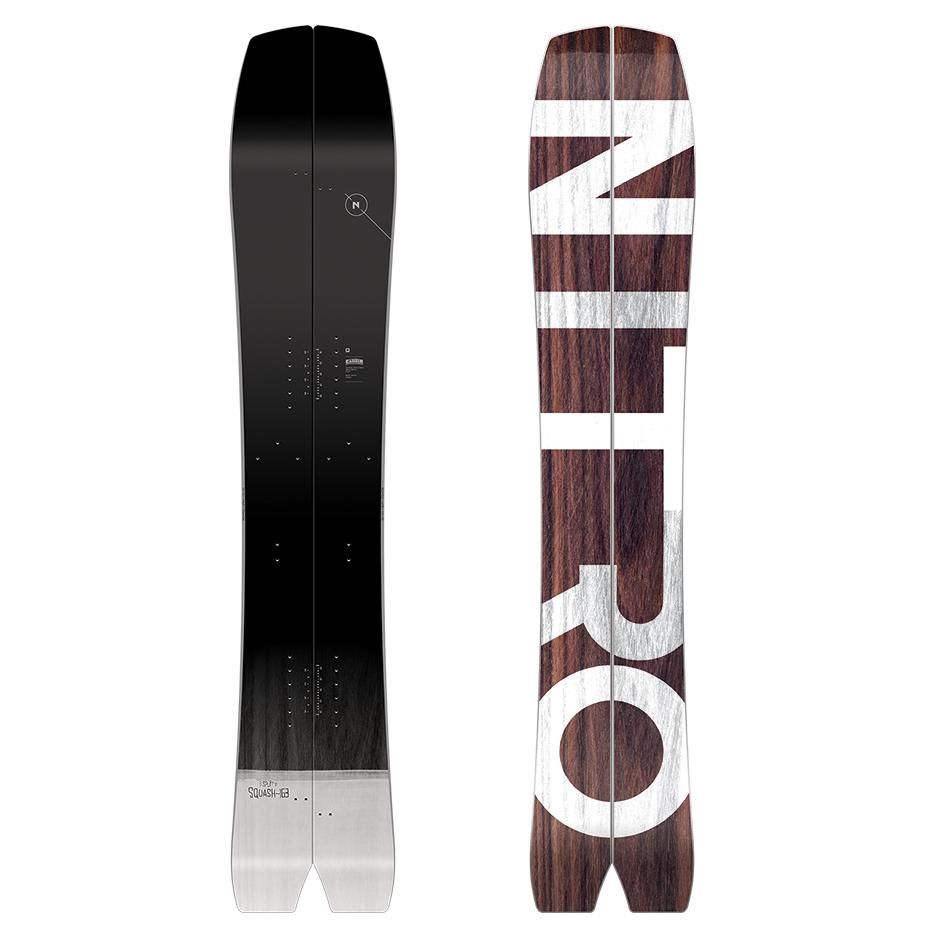
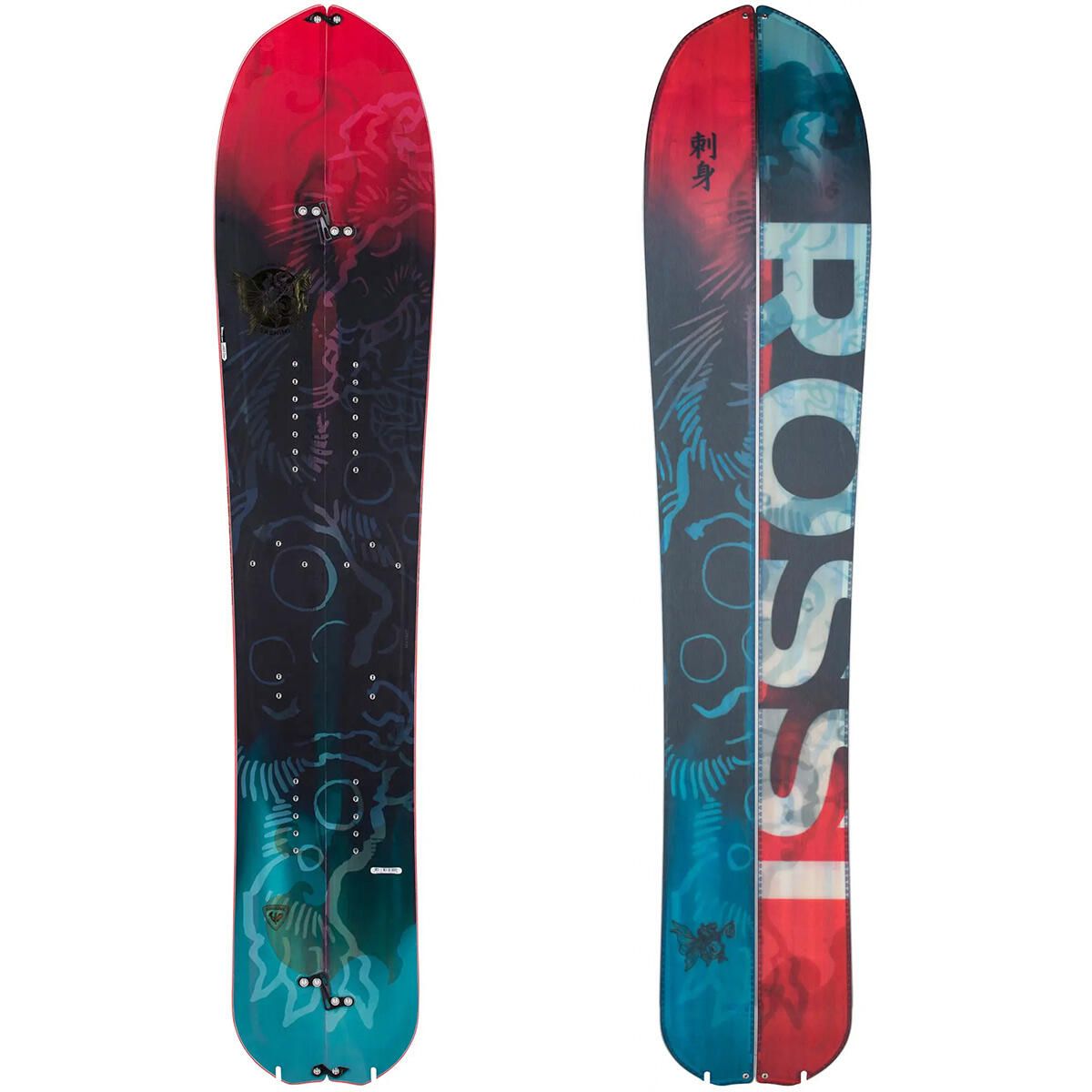
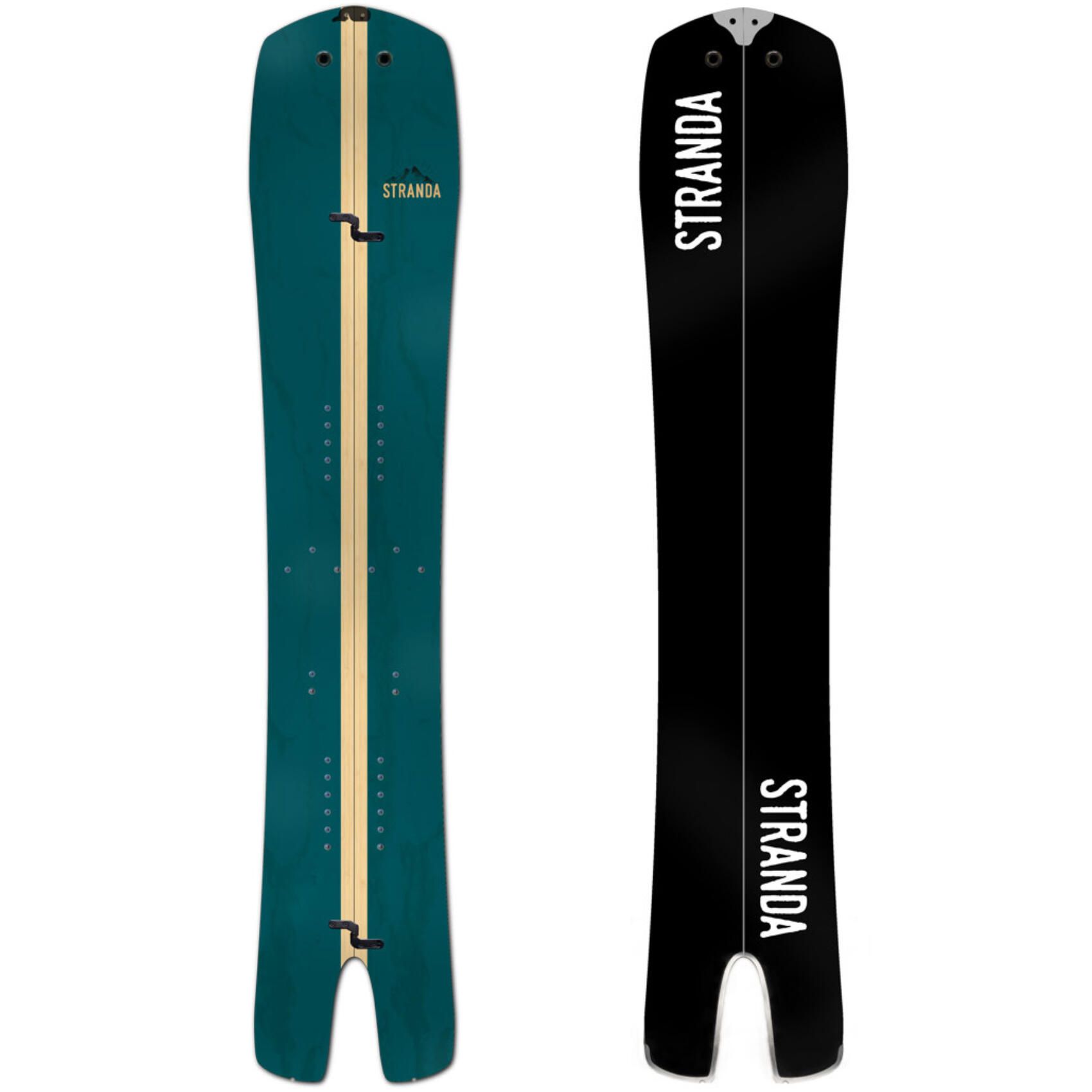
The database currently lists 578 splitboards from 71 brands. The newest listed season is 2627. Use brand, season, profile and Editors Selection filters to narrow the full catalogue to your setup.
The board is only one part of the decision. Compare matching bindings and boots next, because uphill edge hold, power transfer and comfort depend on the complete splitboard setup.
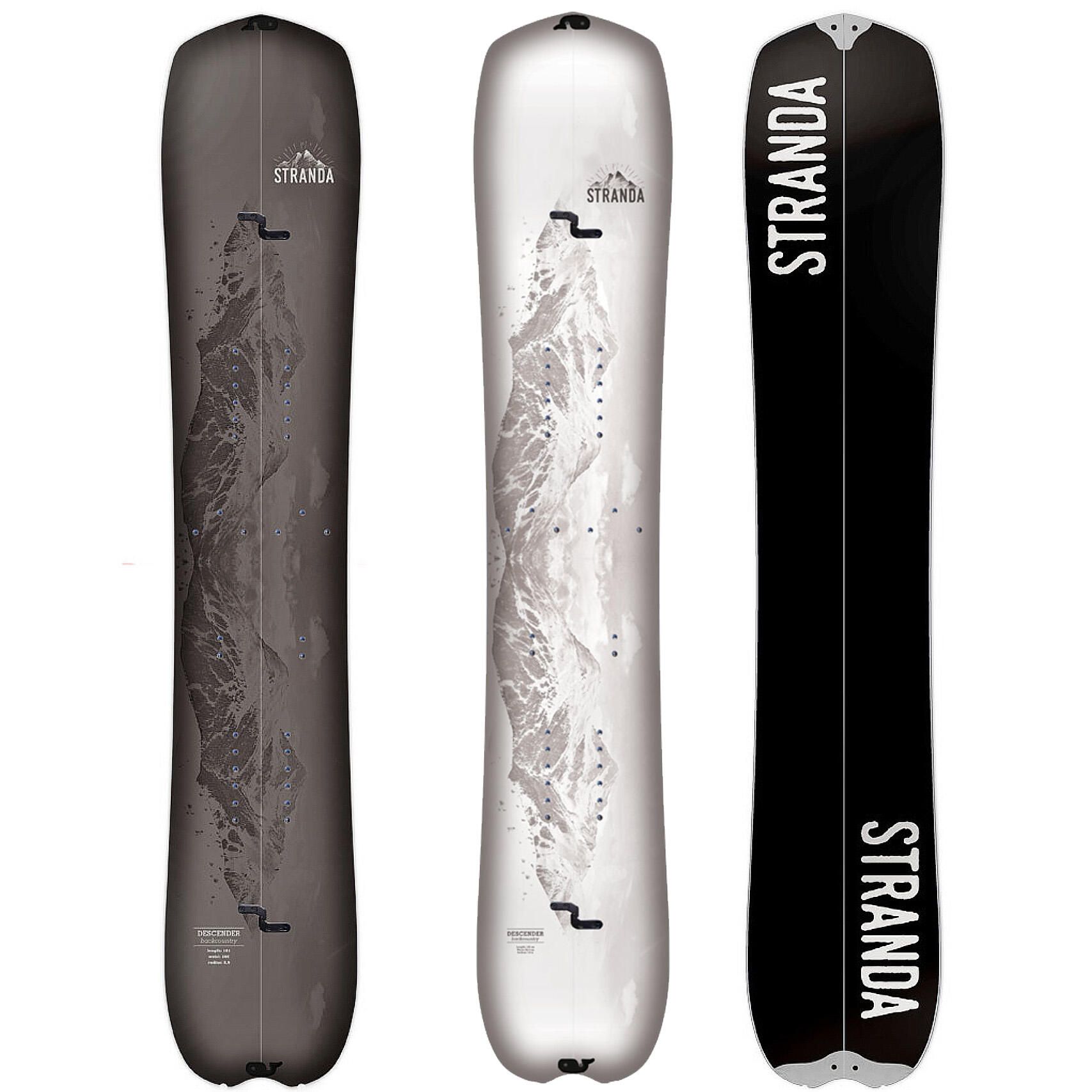
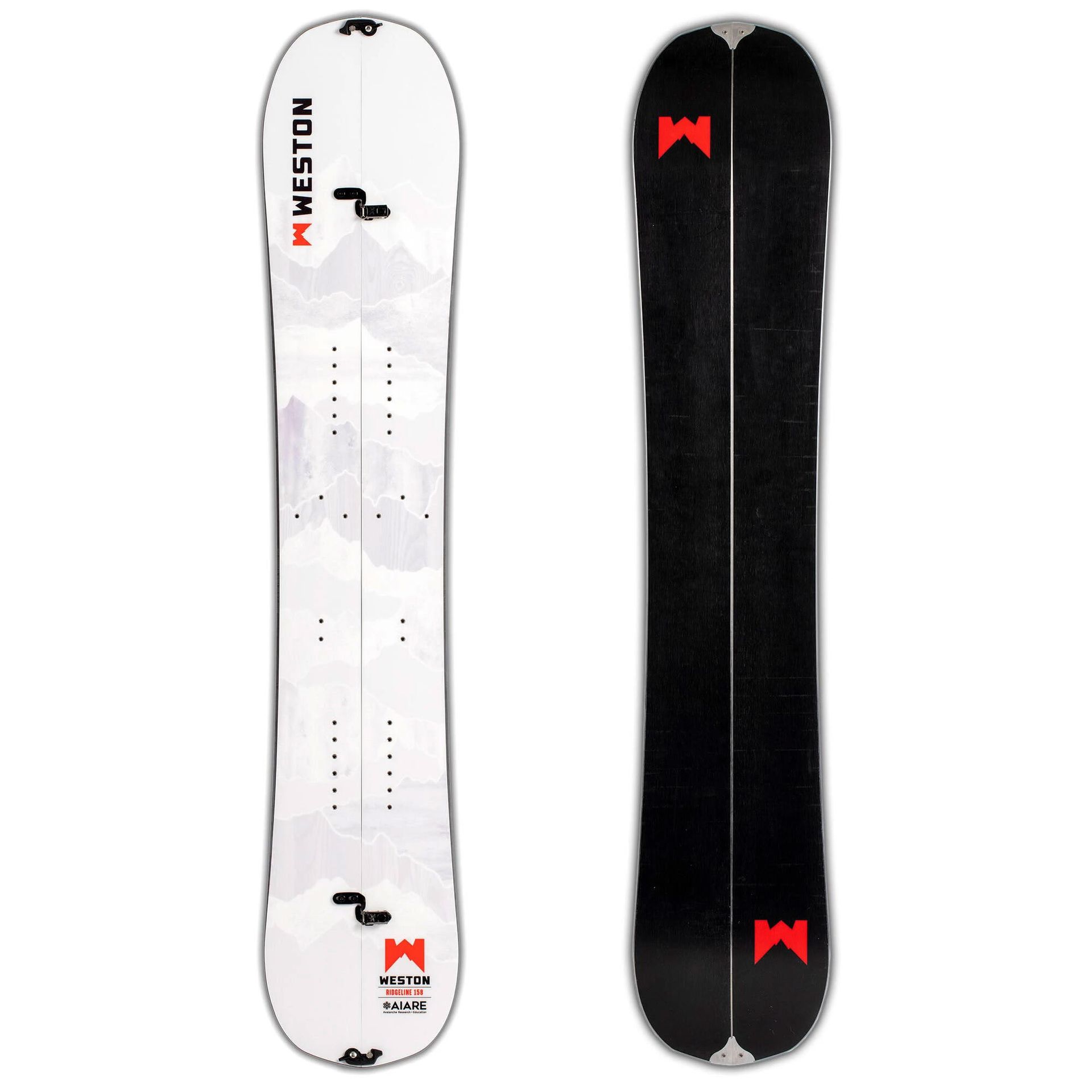
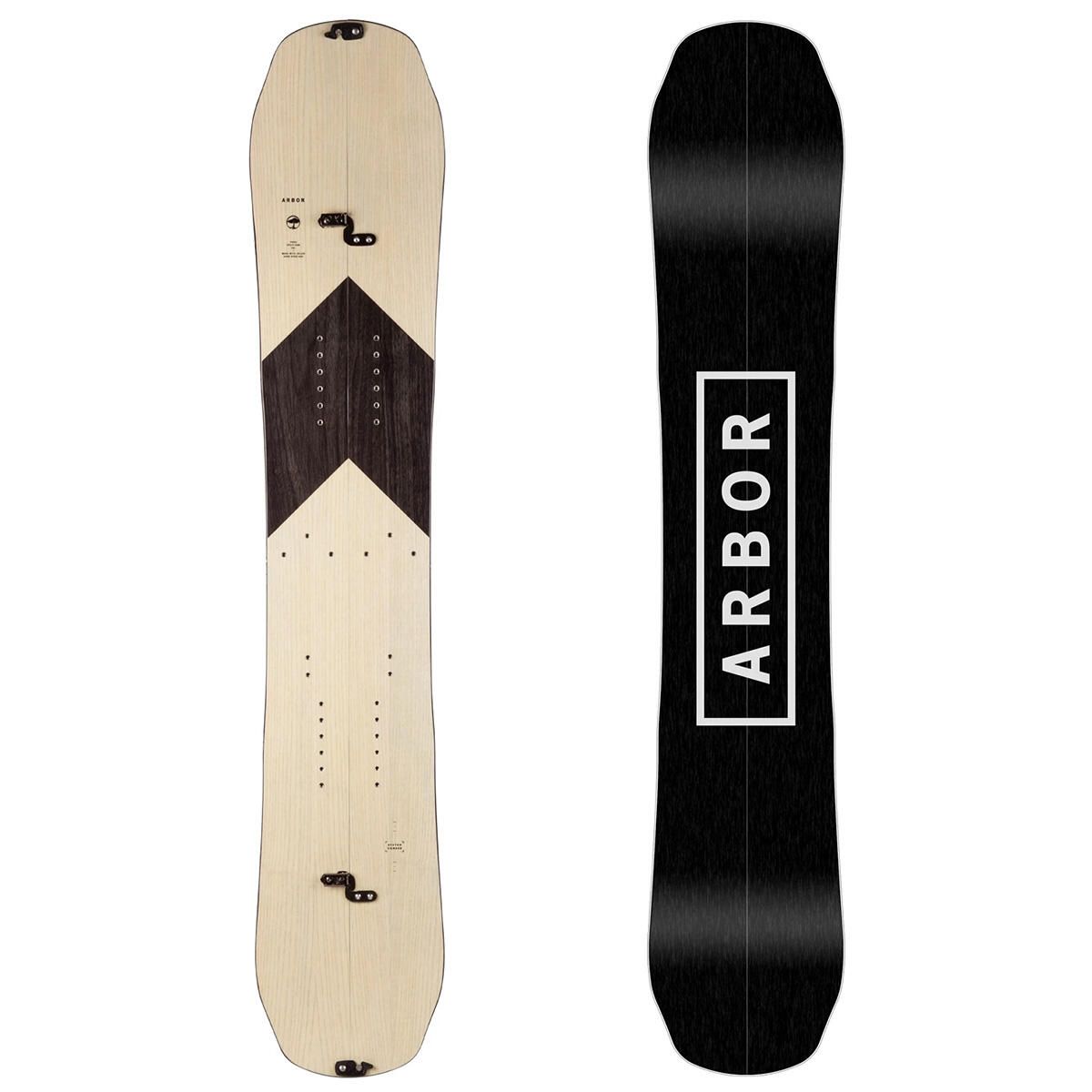
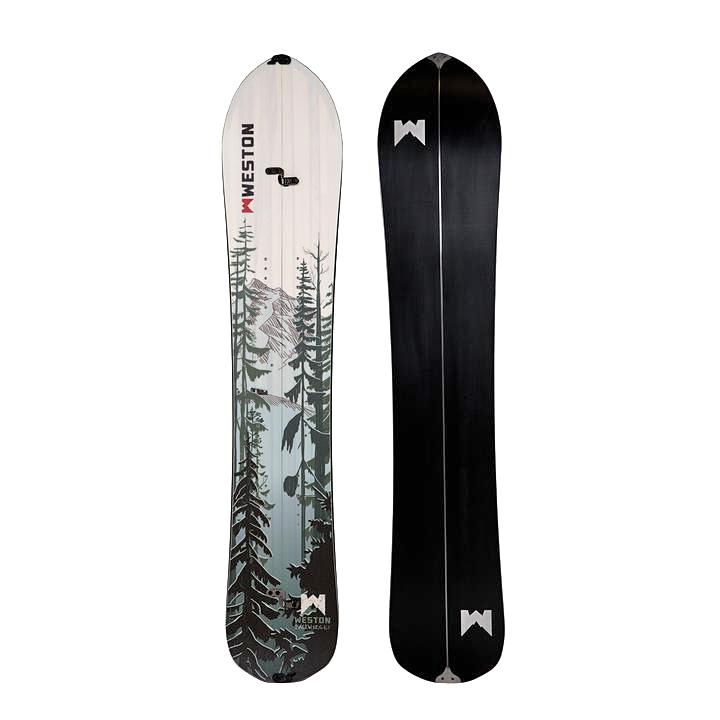
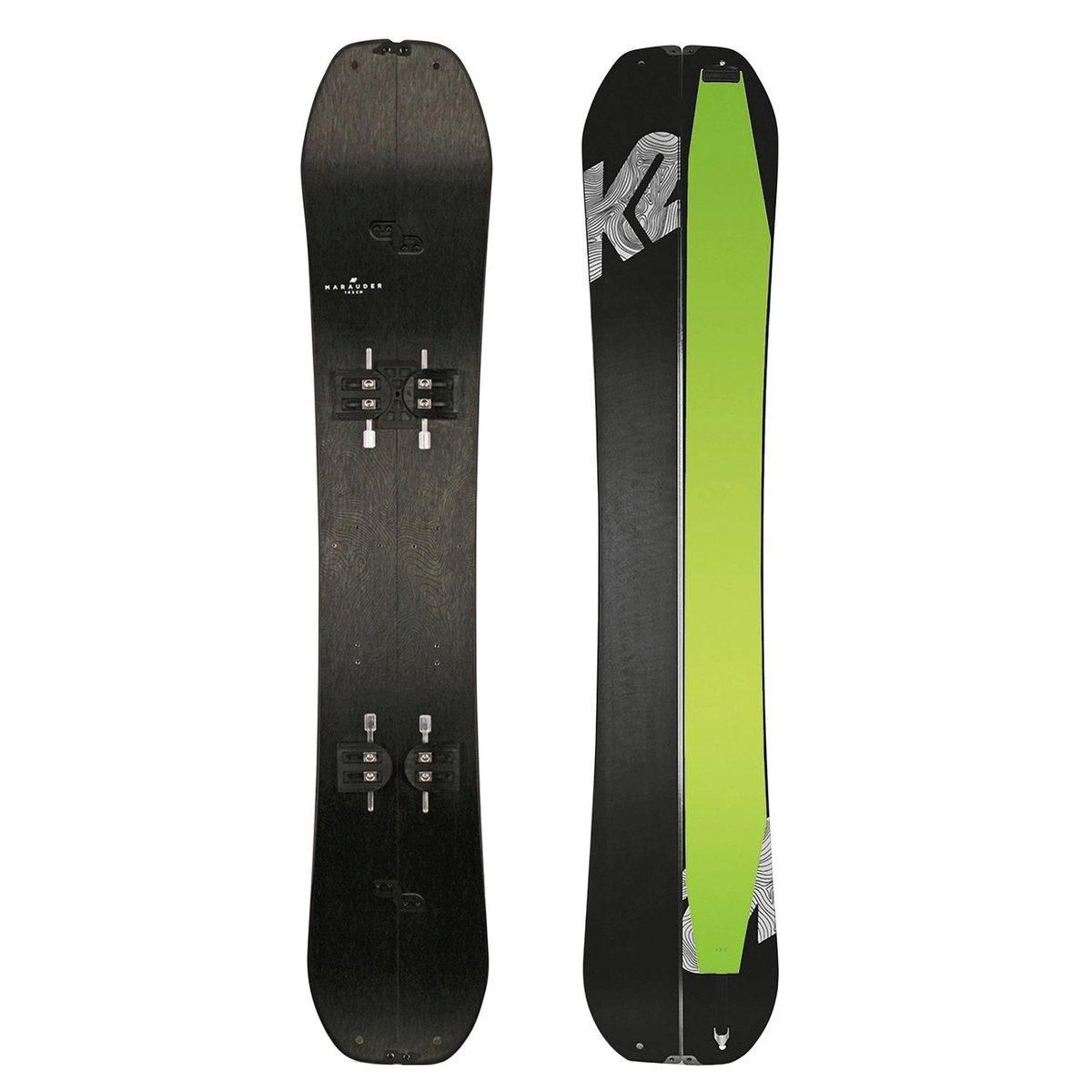
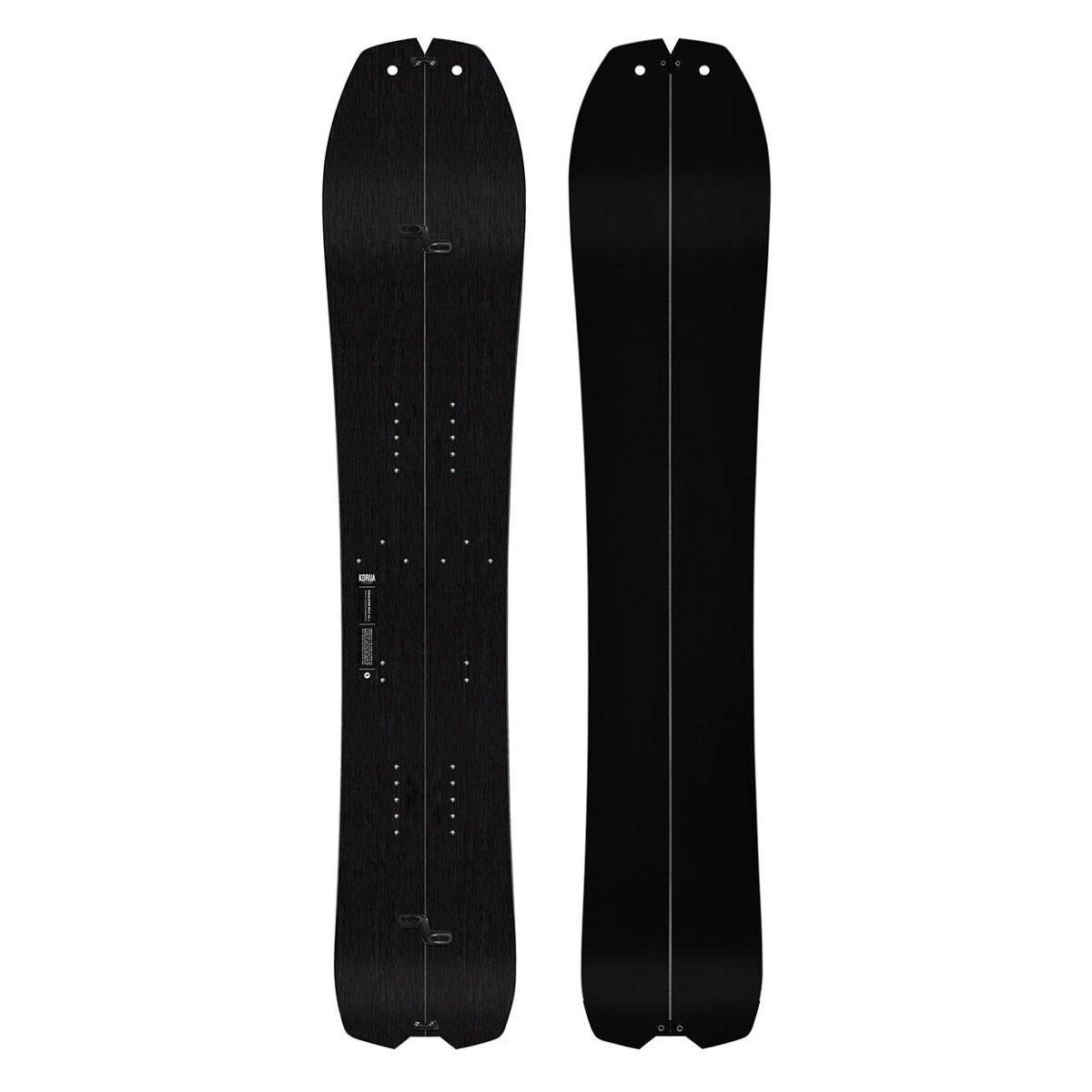
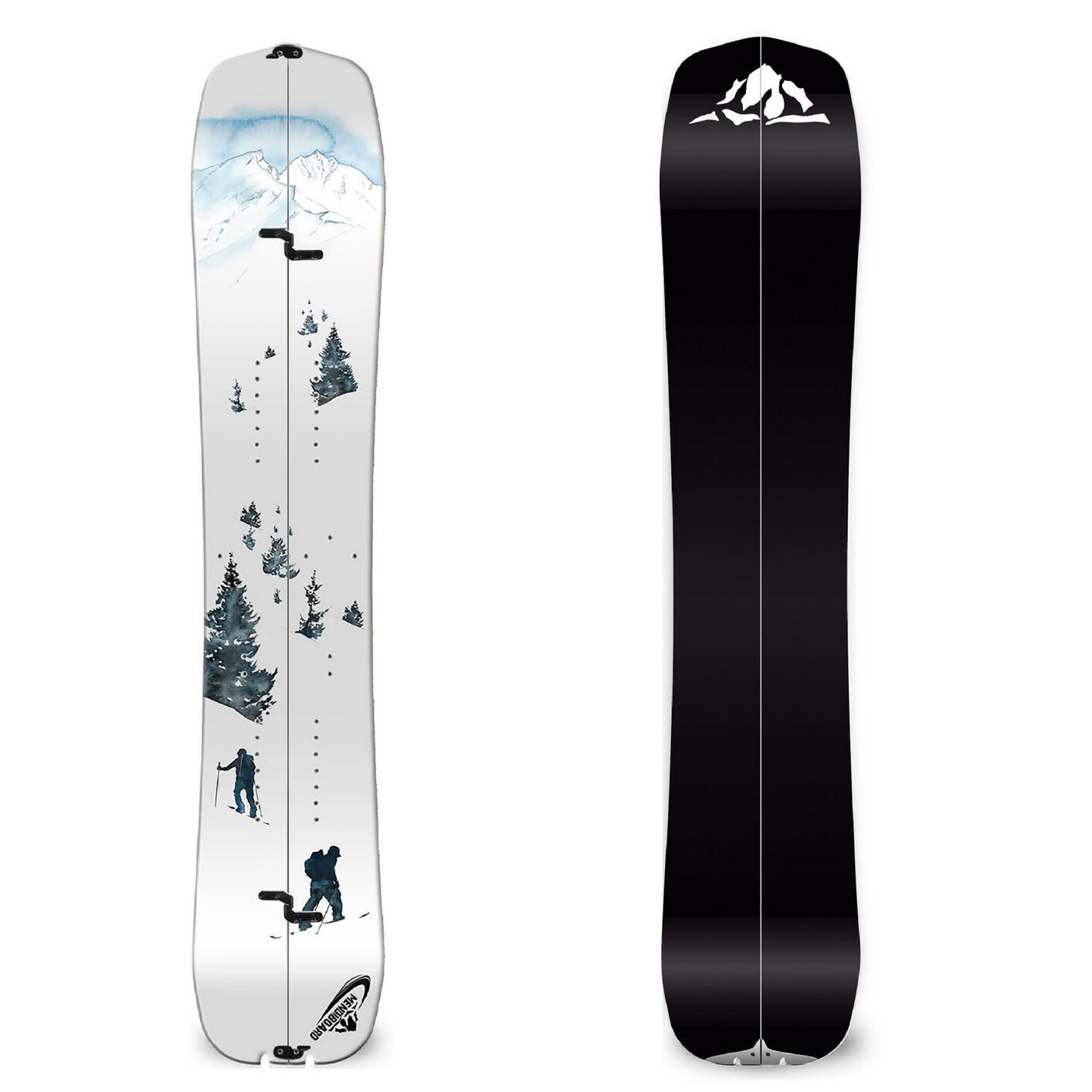
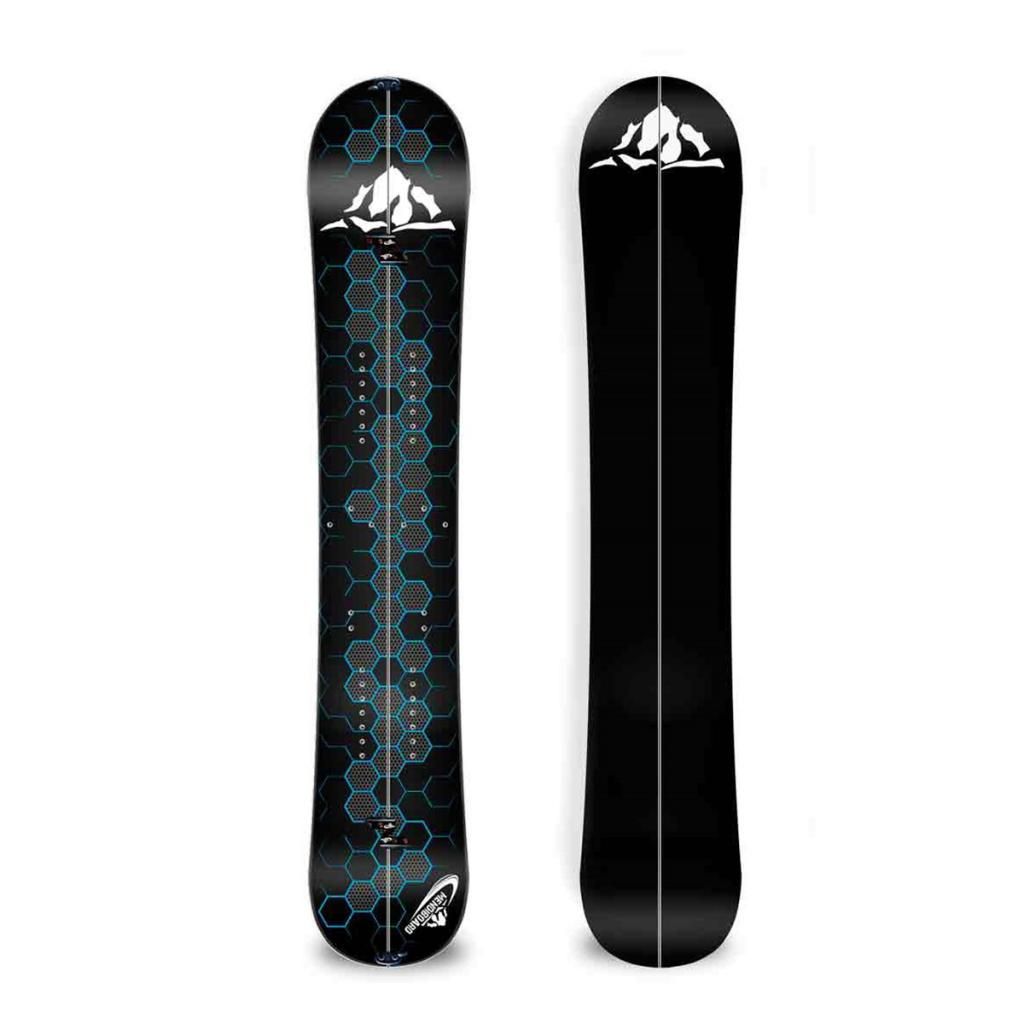
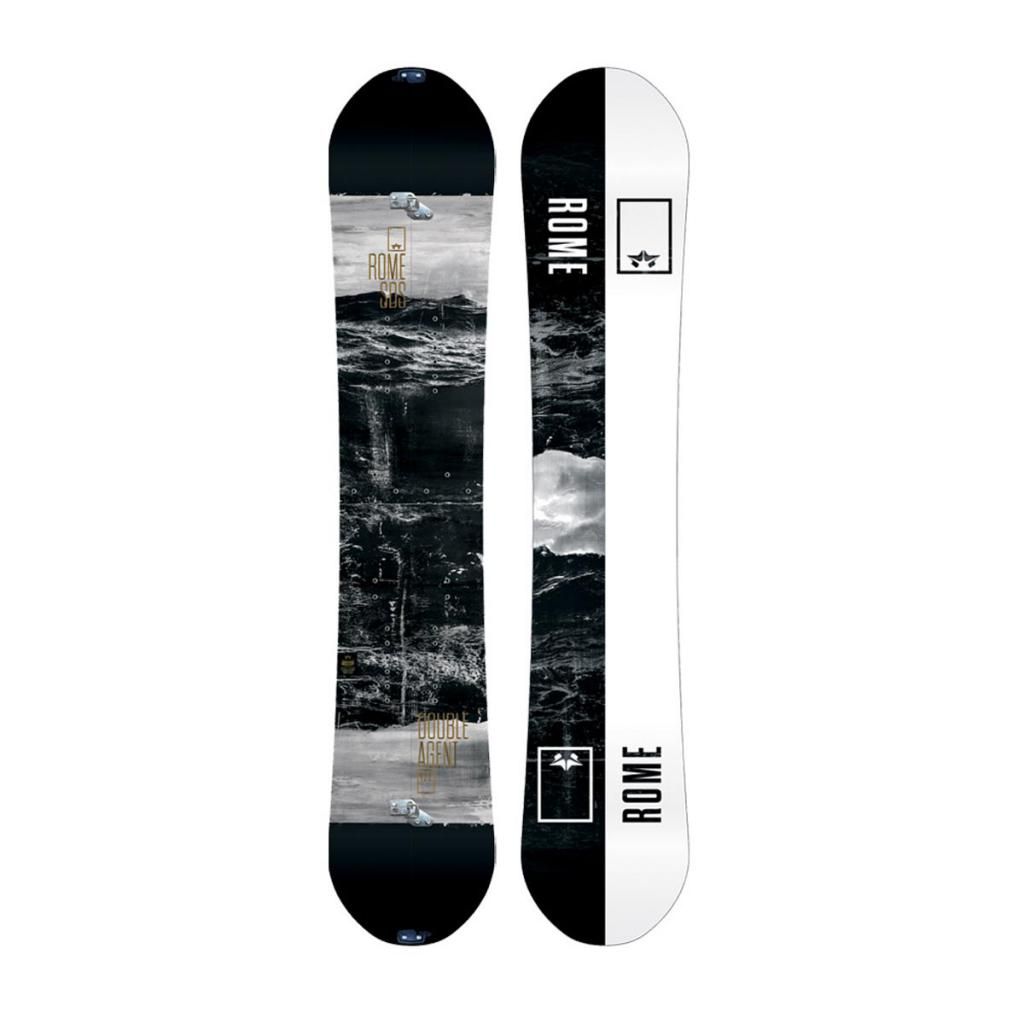
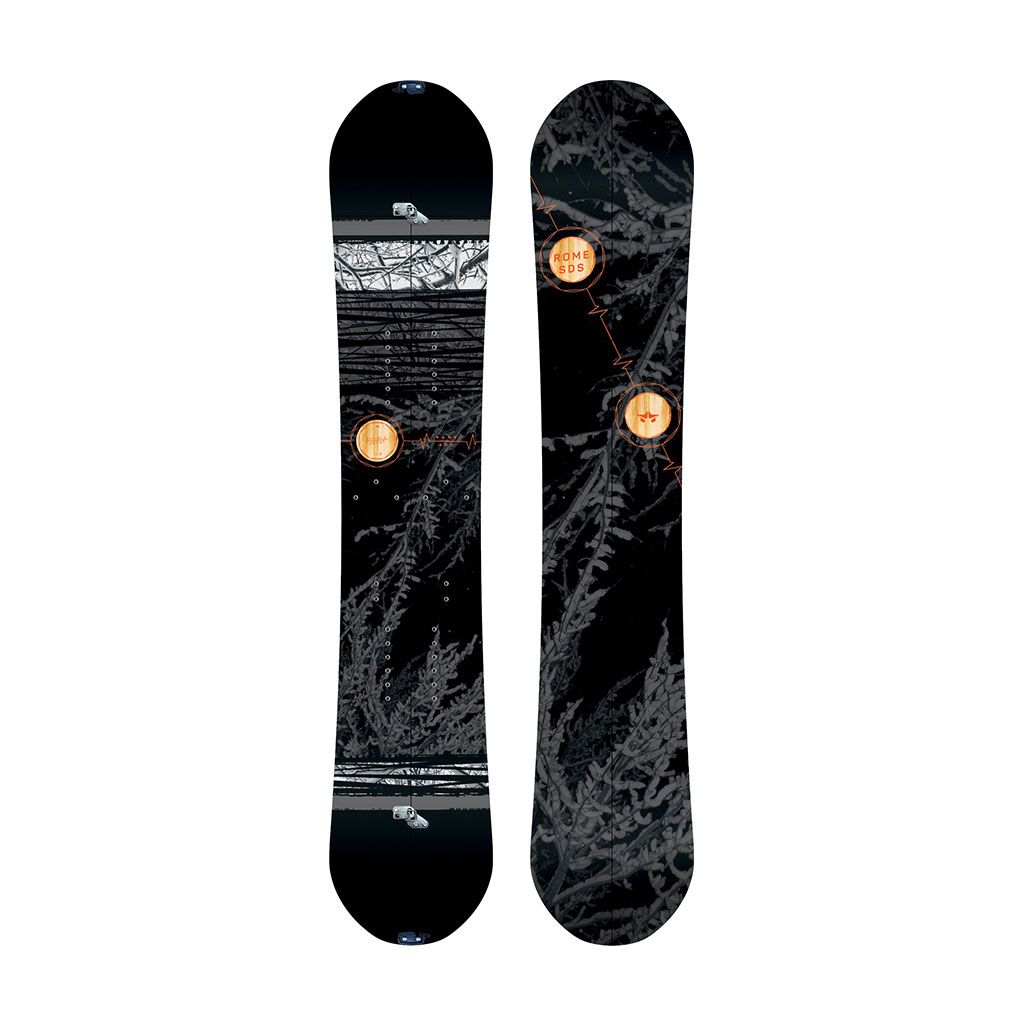
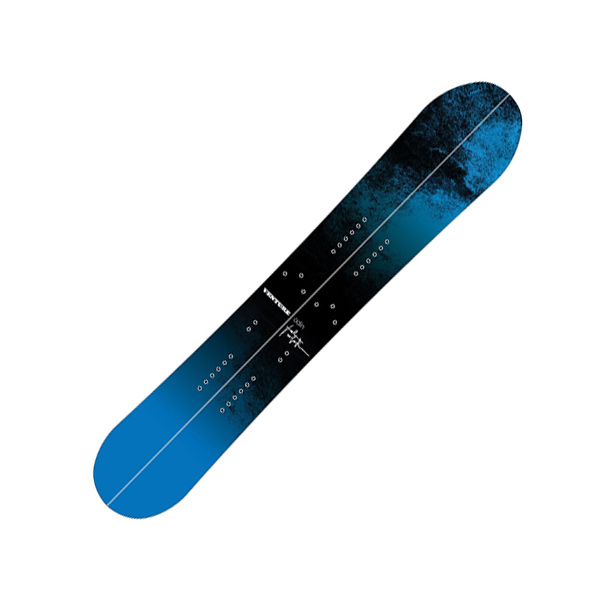
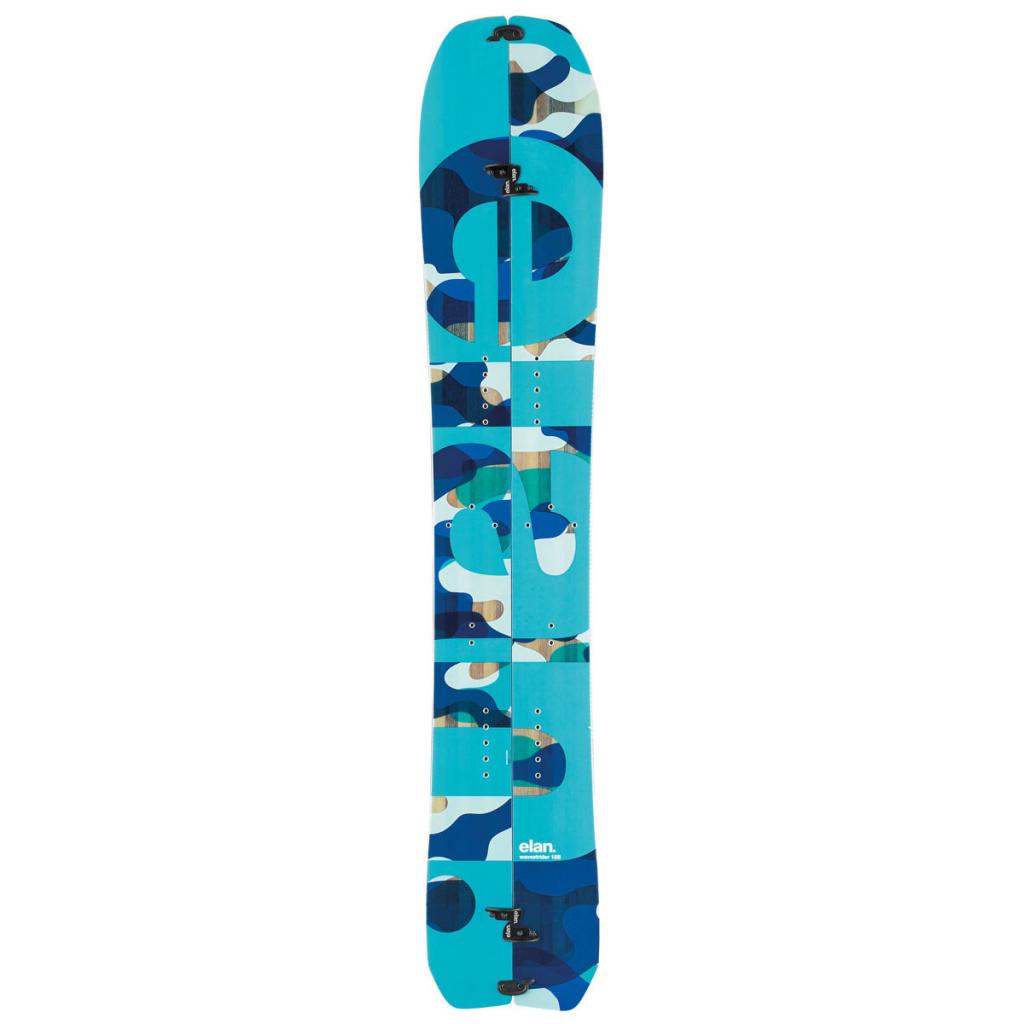
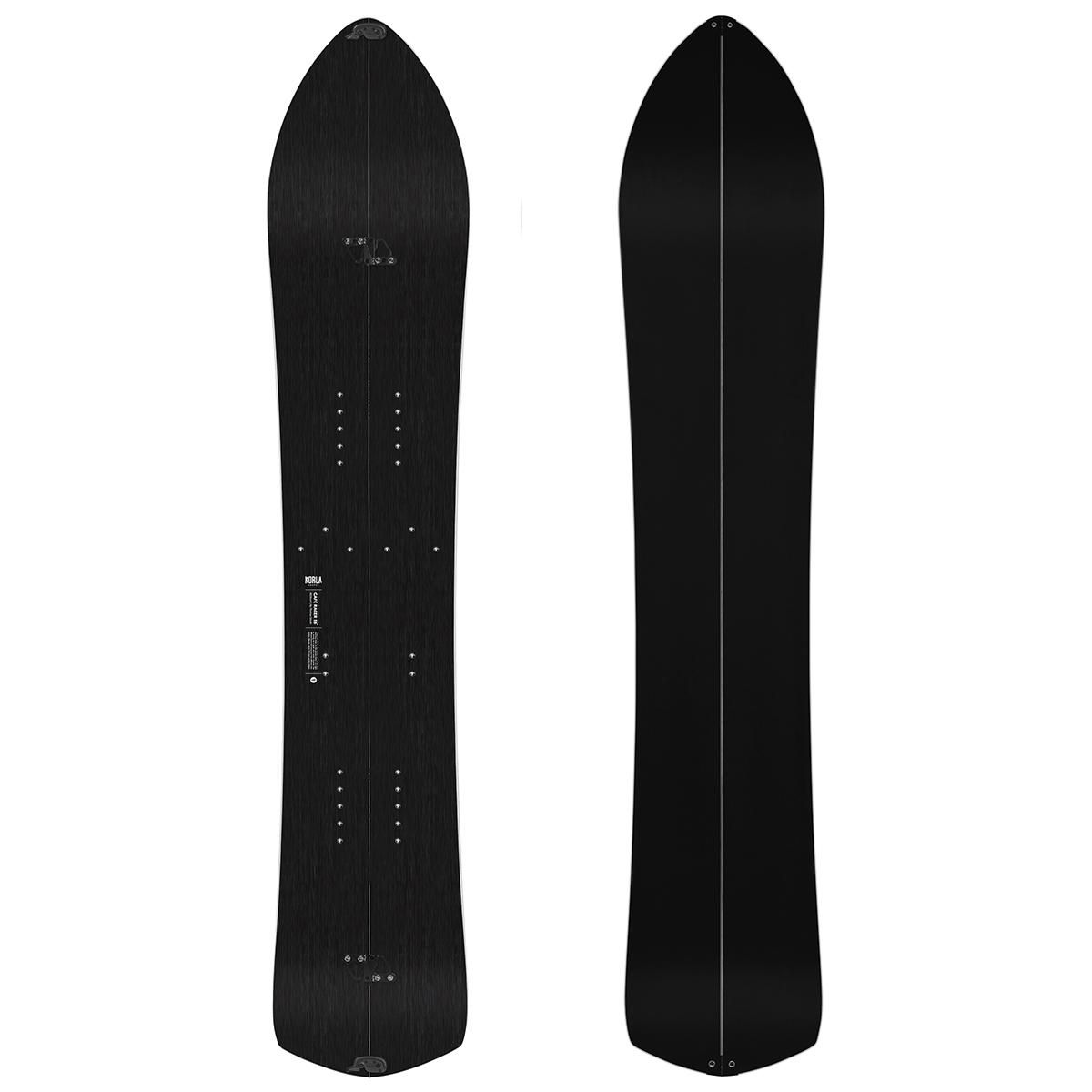
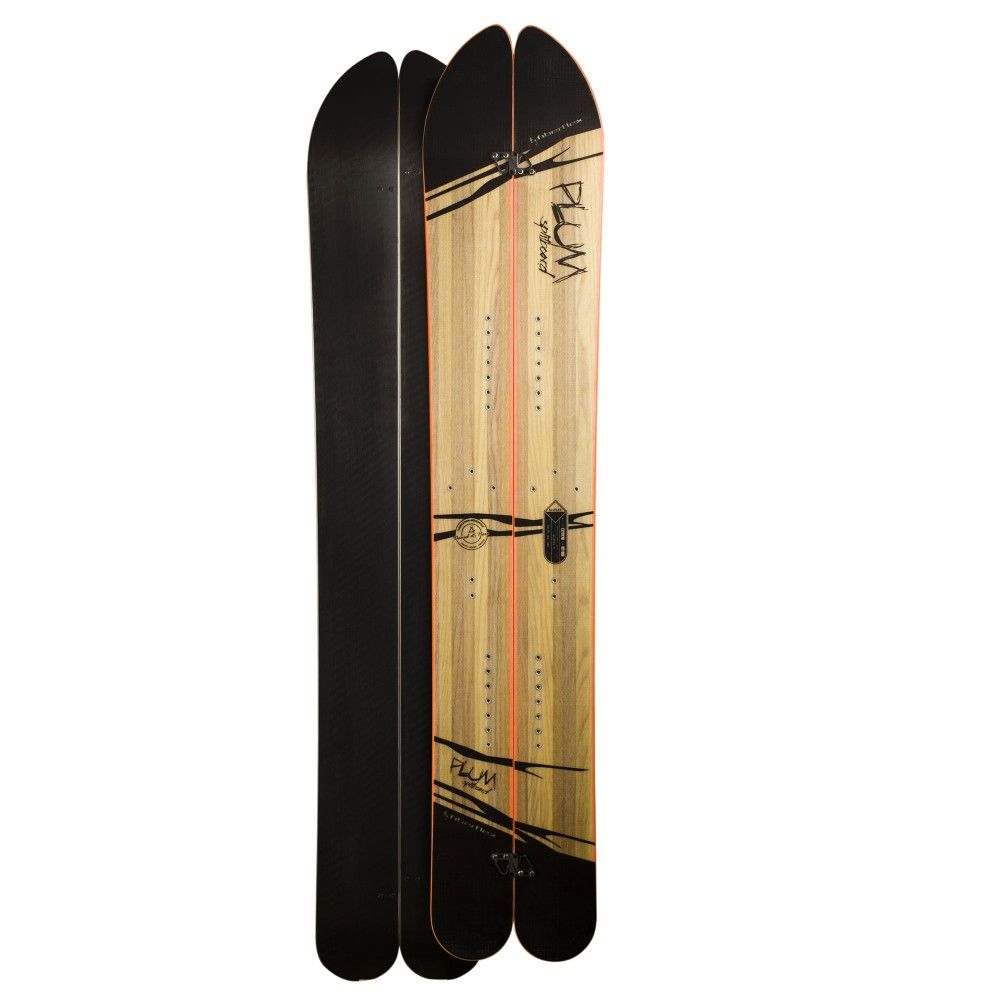
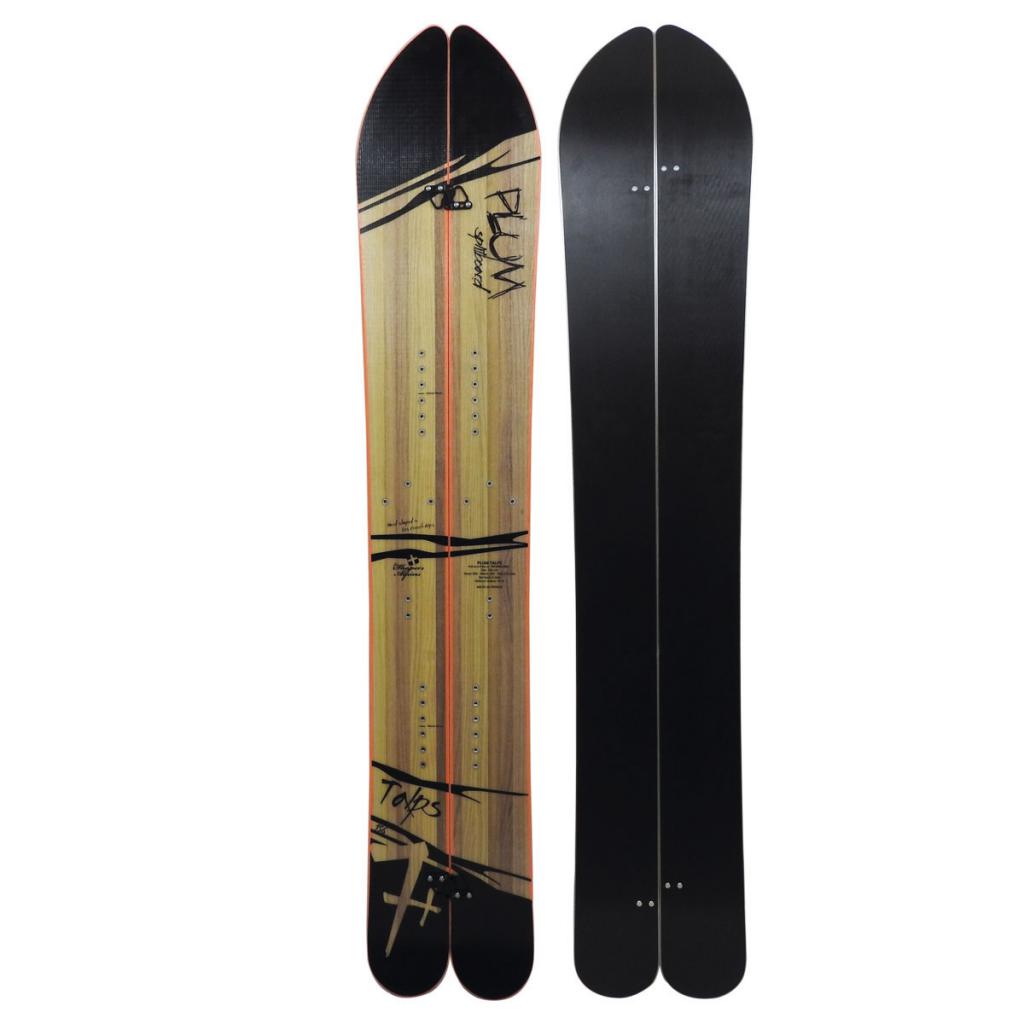
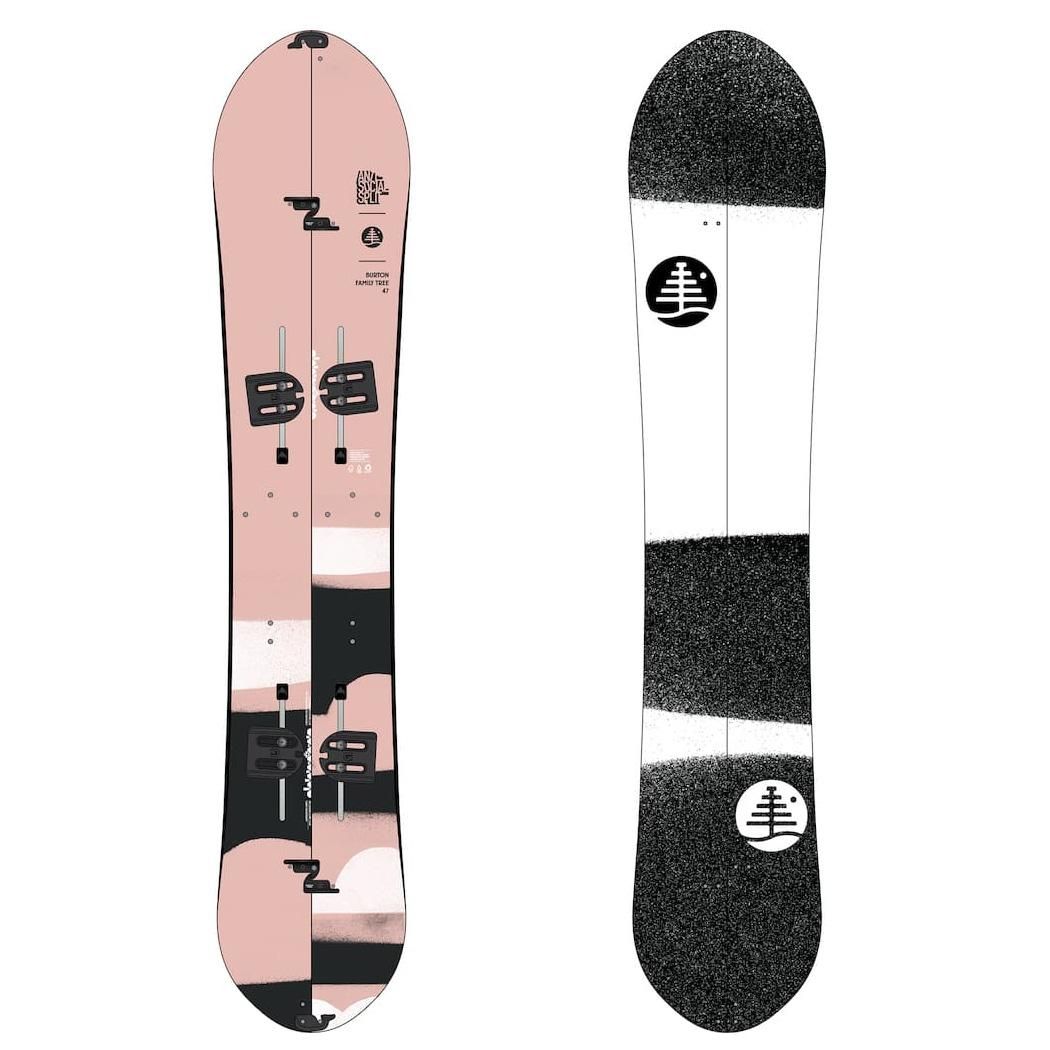
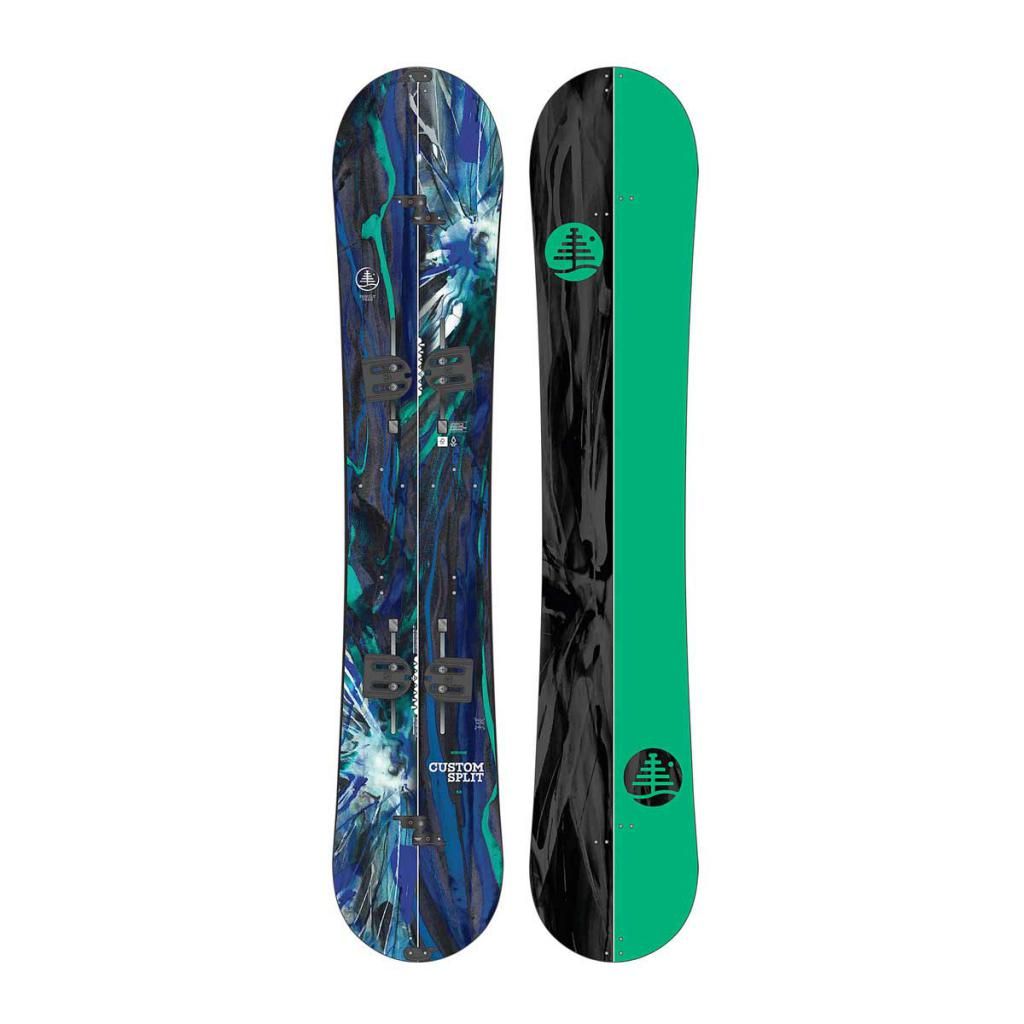
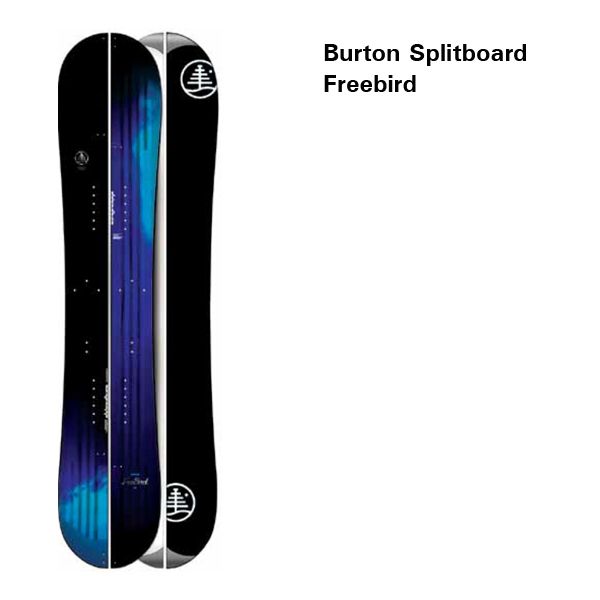
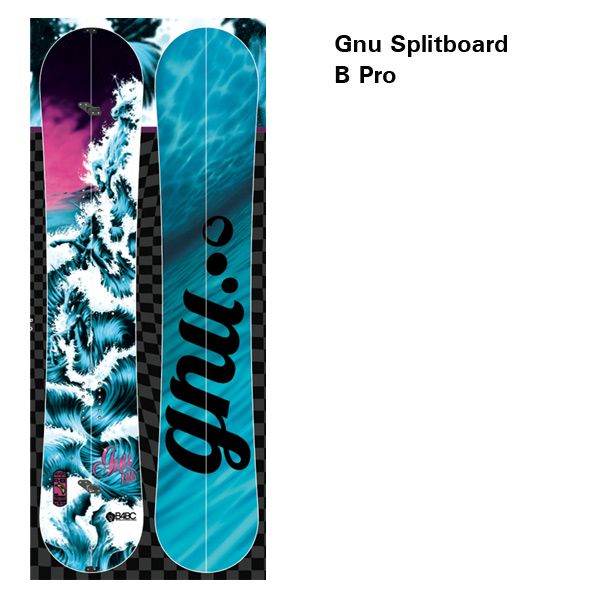
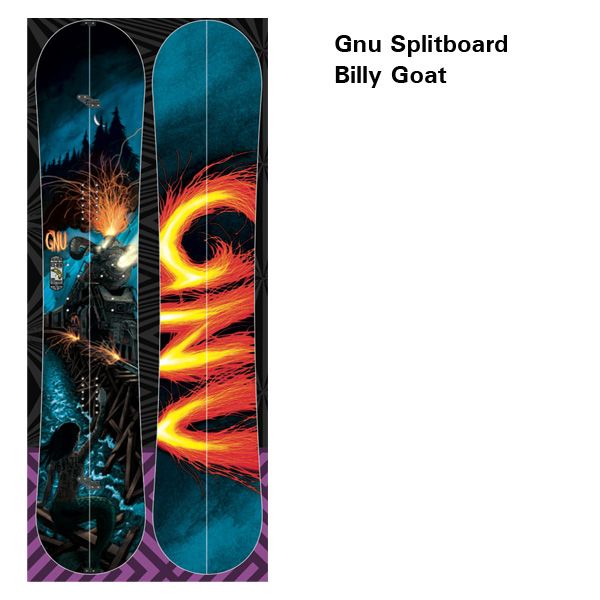
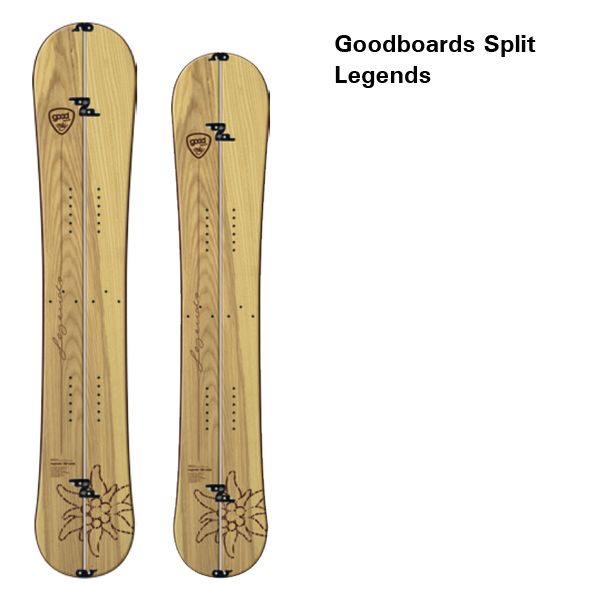
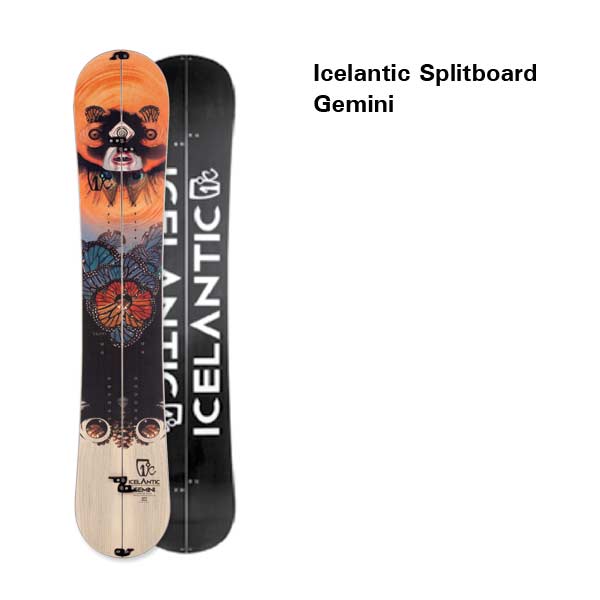
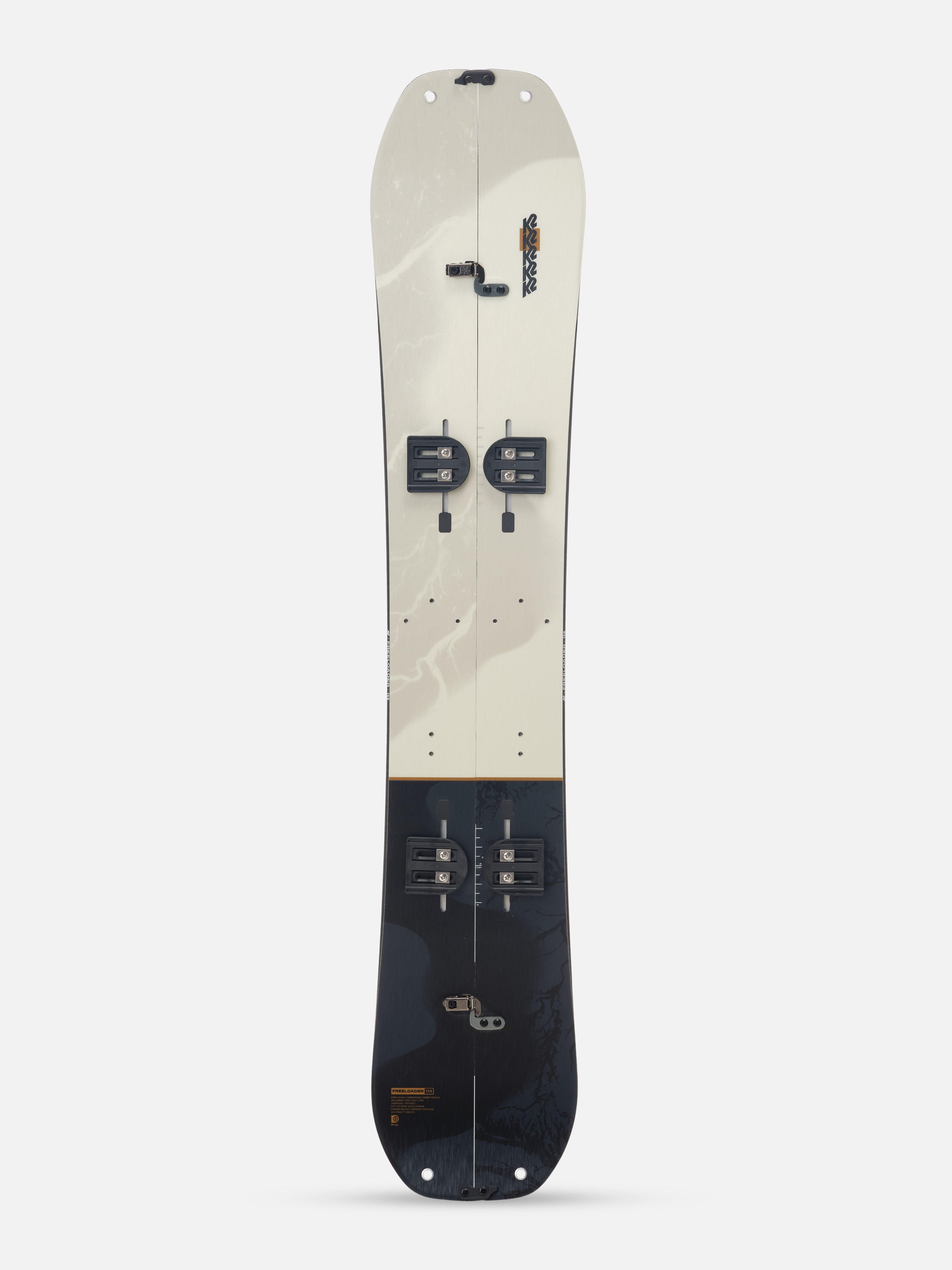
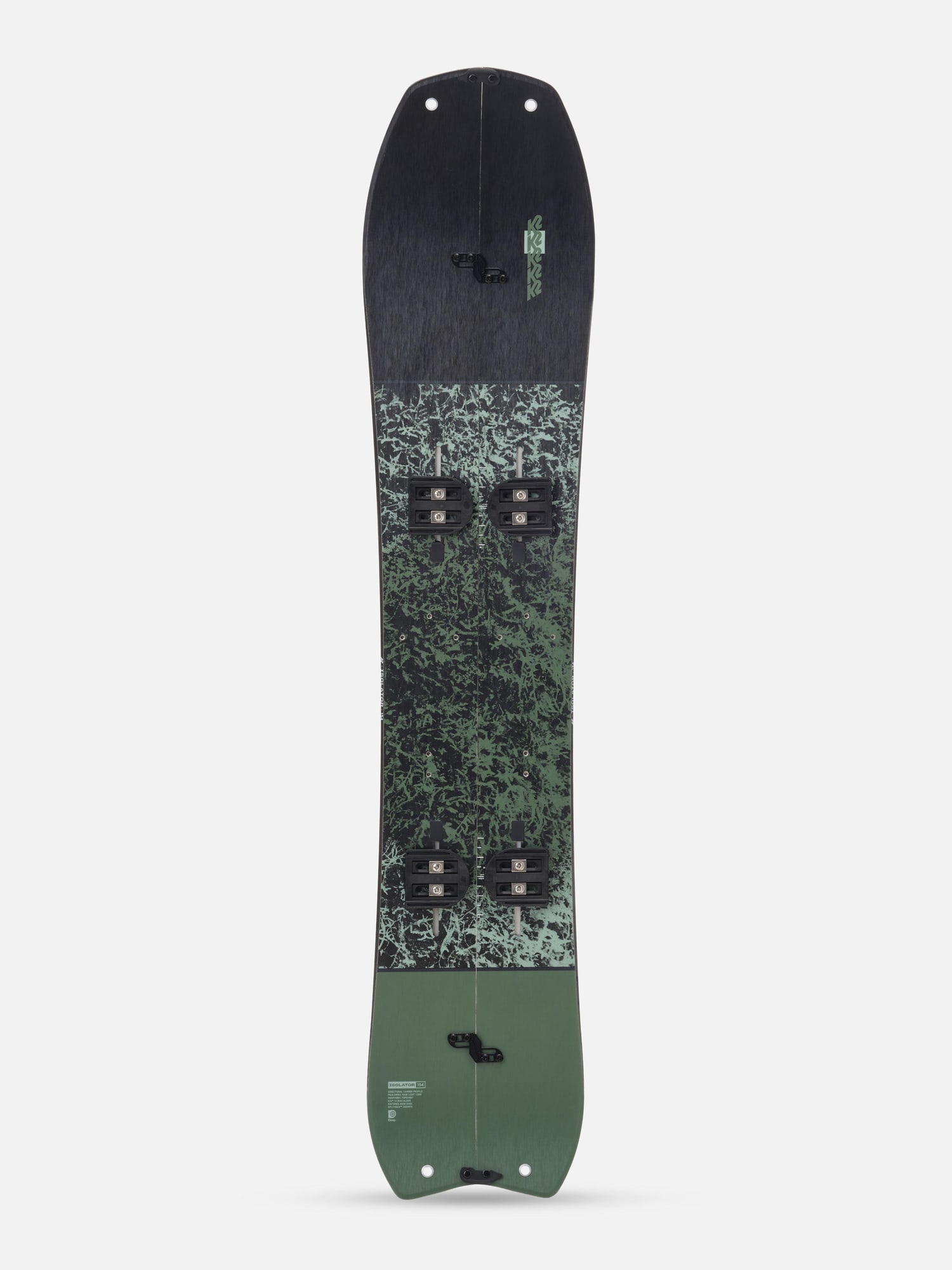
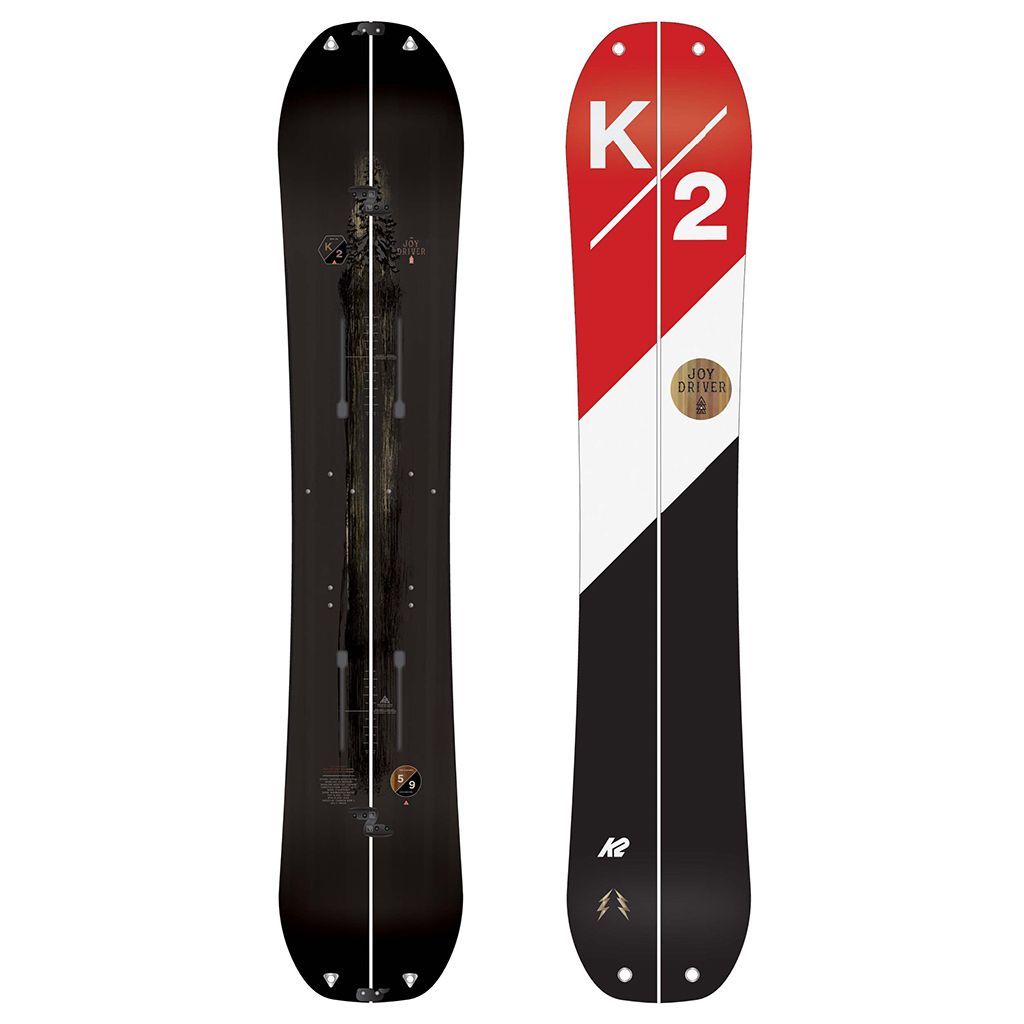
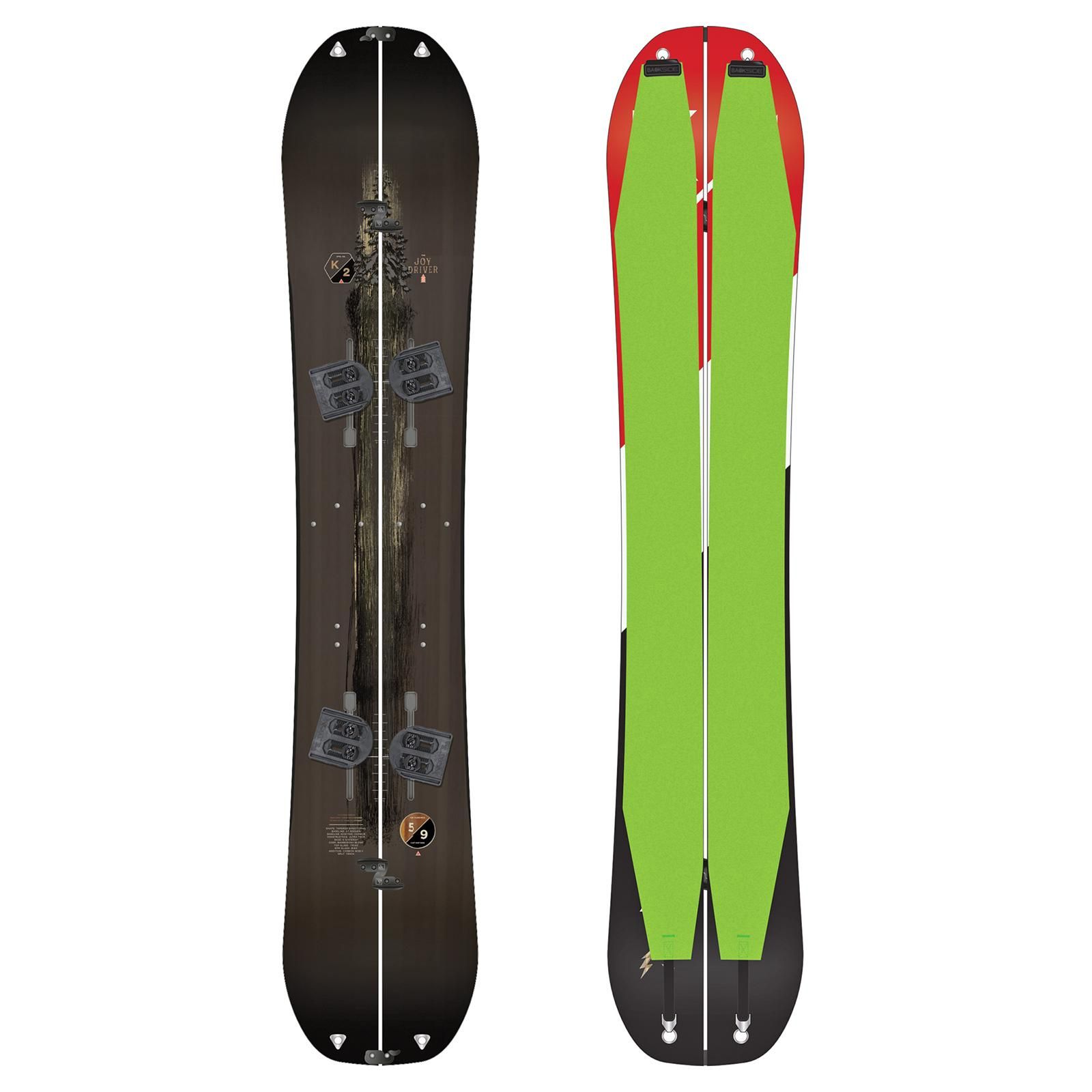
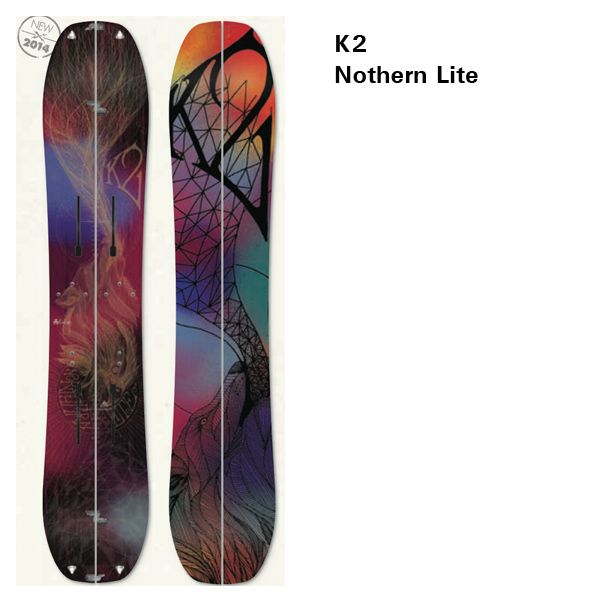
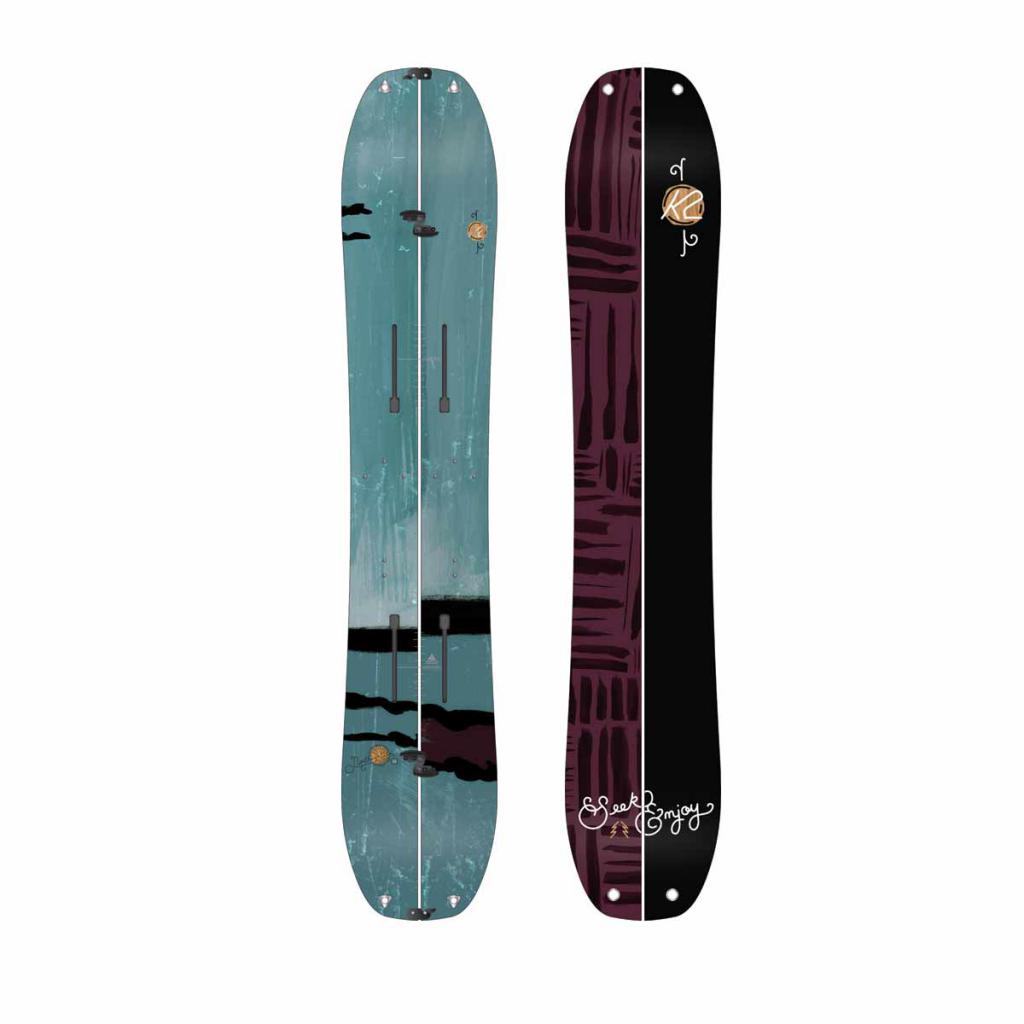
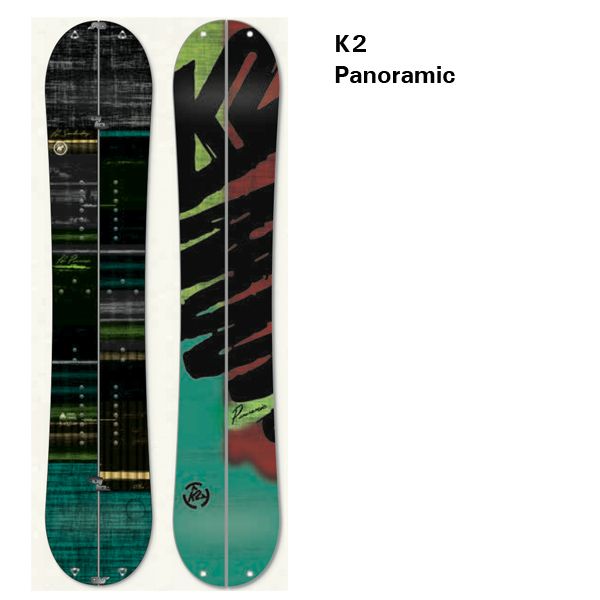
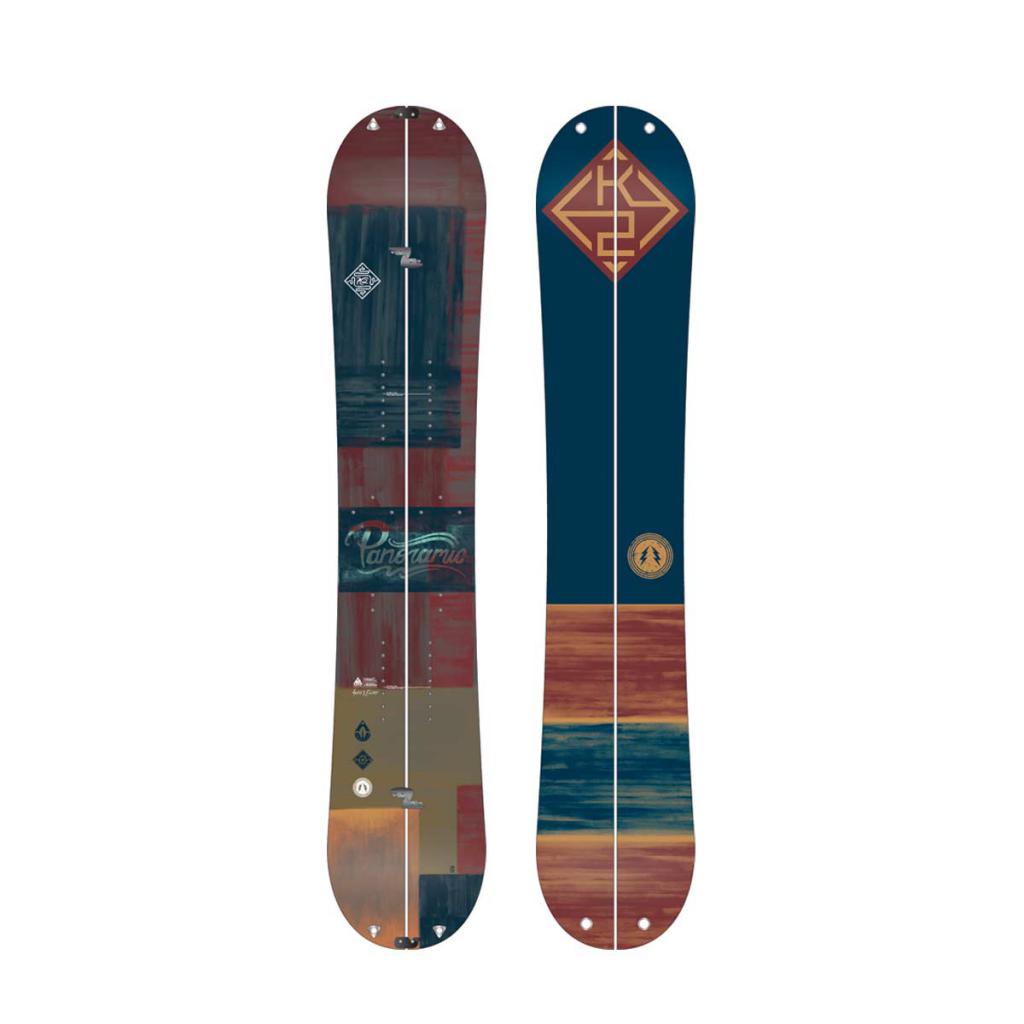
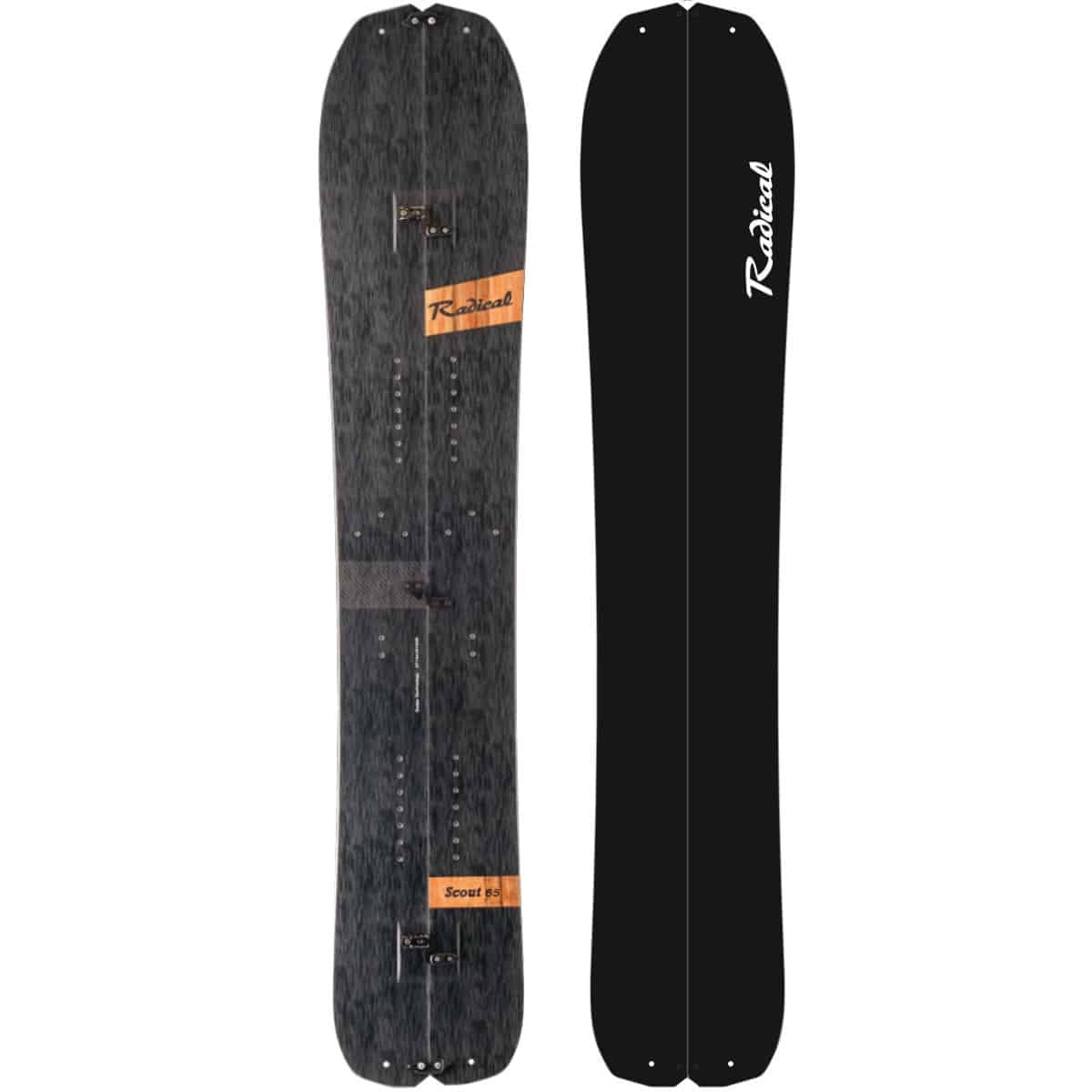
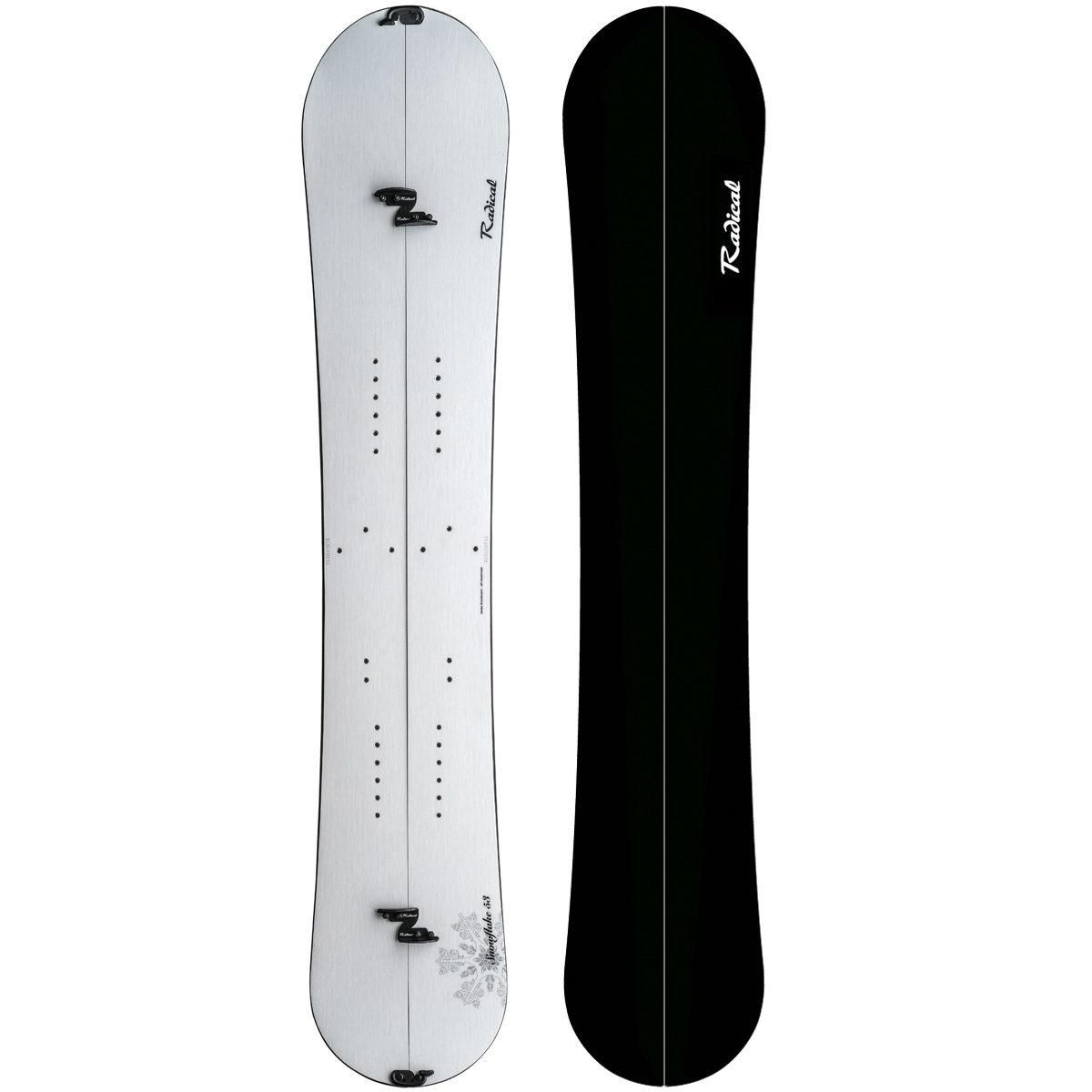
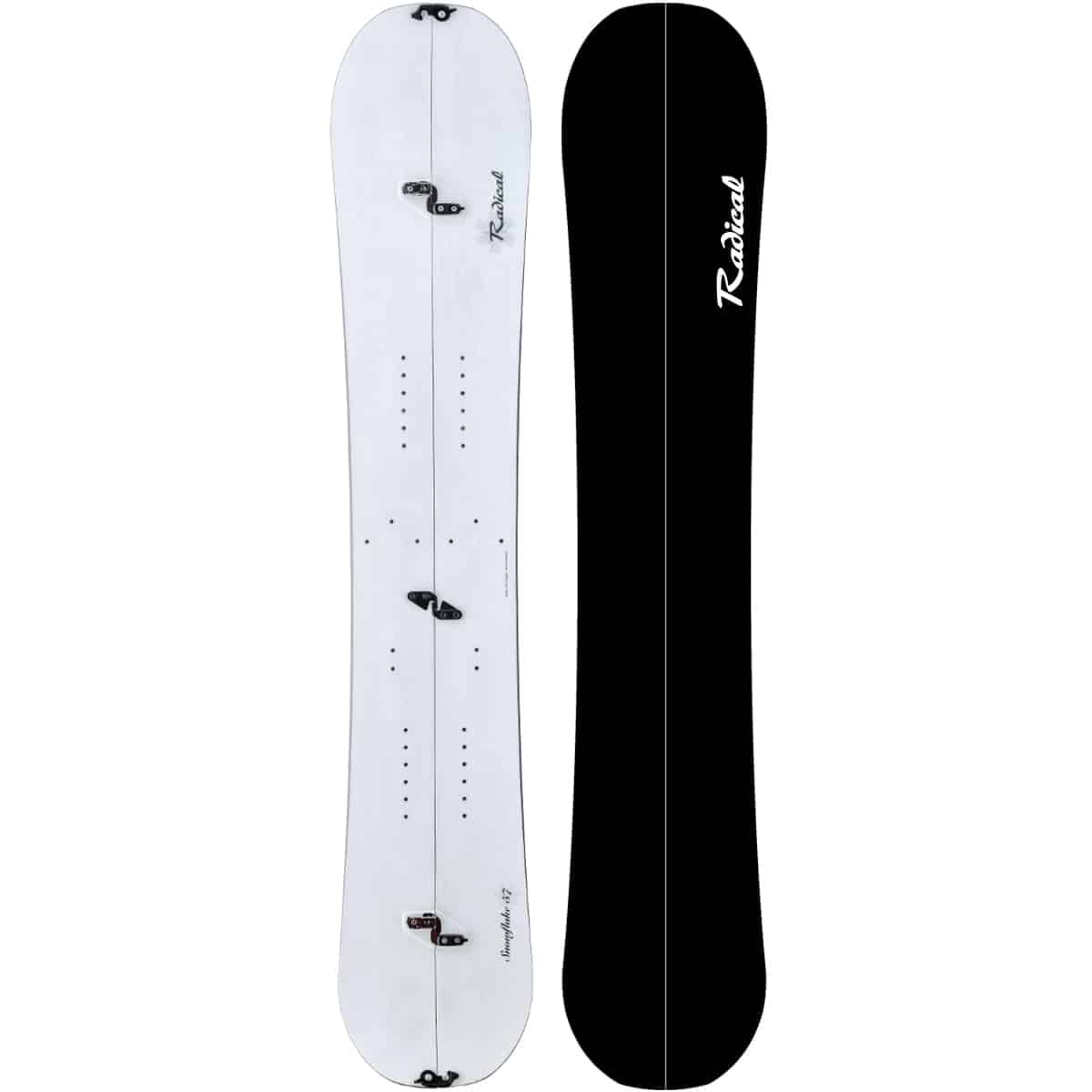
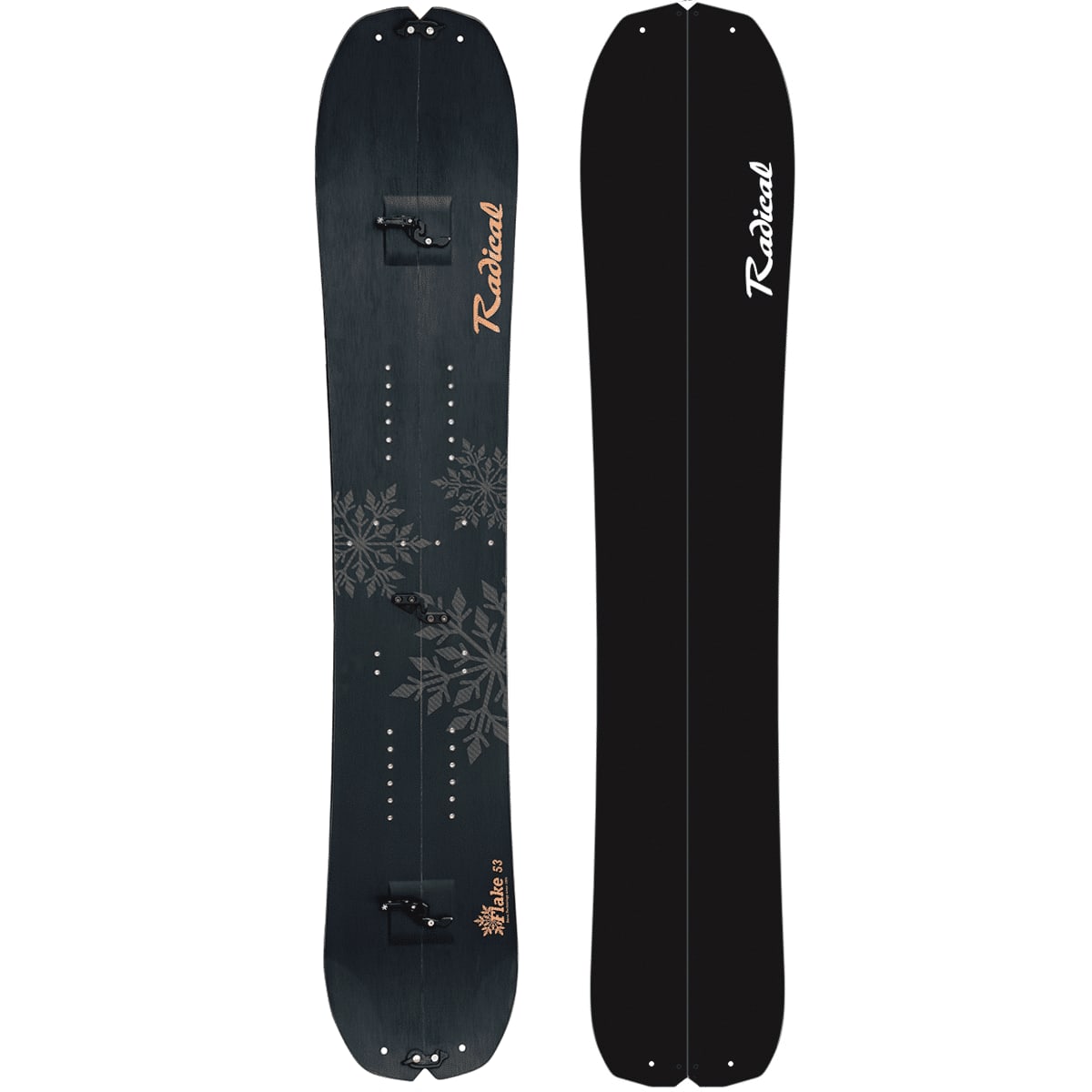
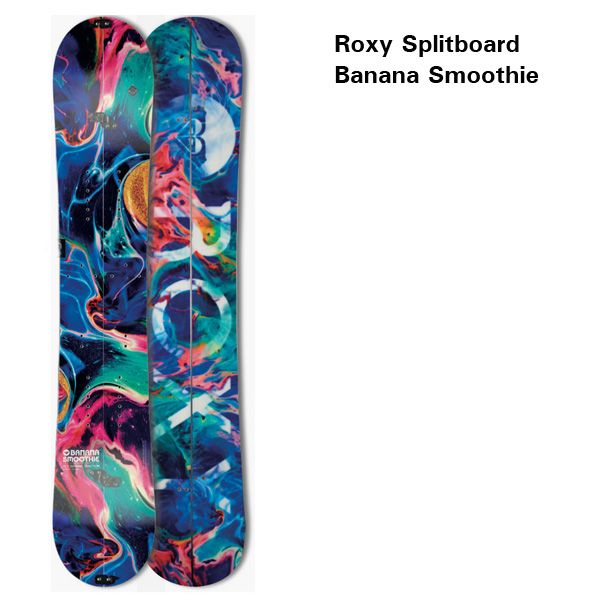
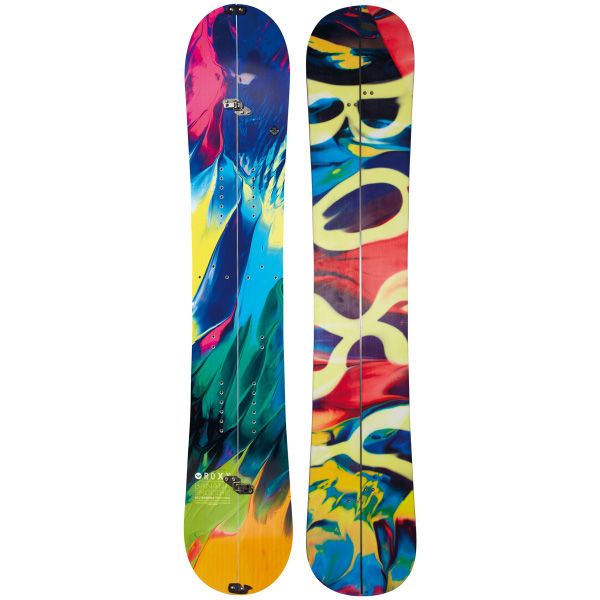
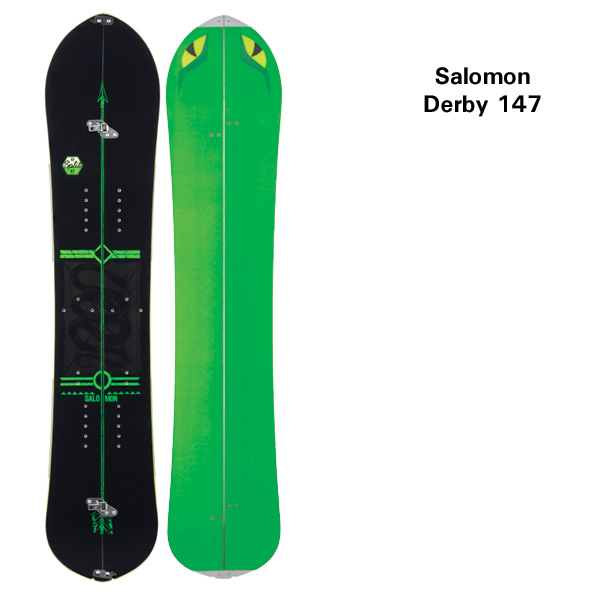
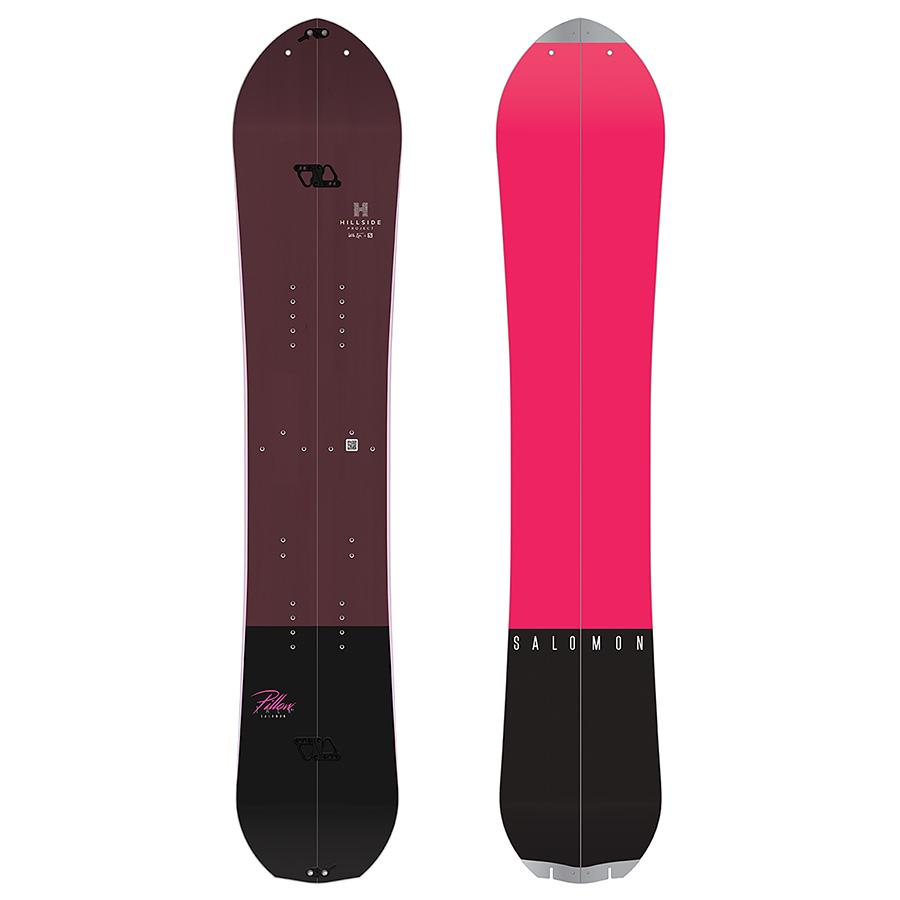
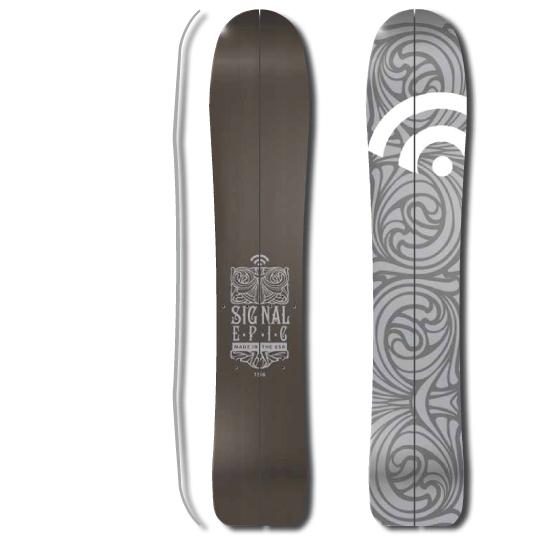
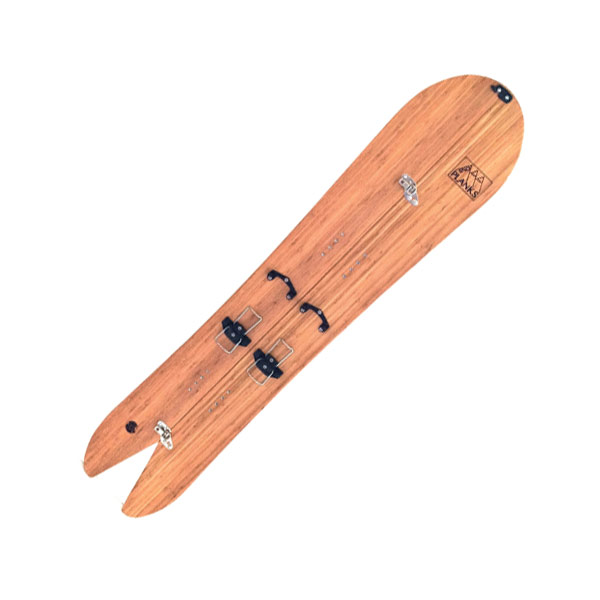
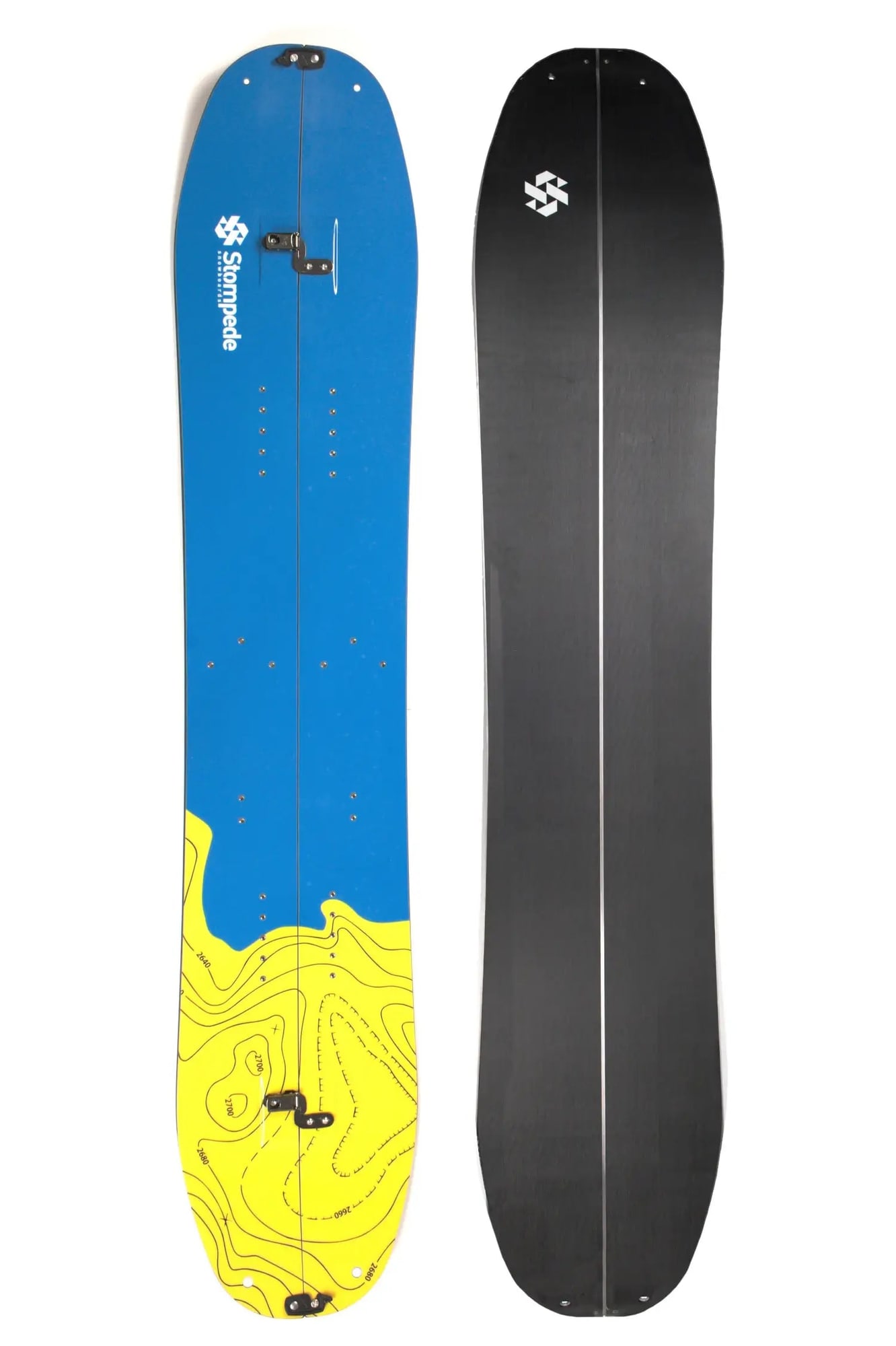
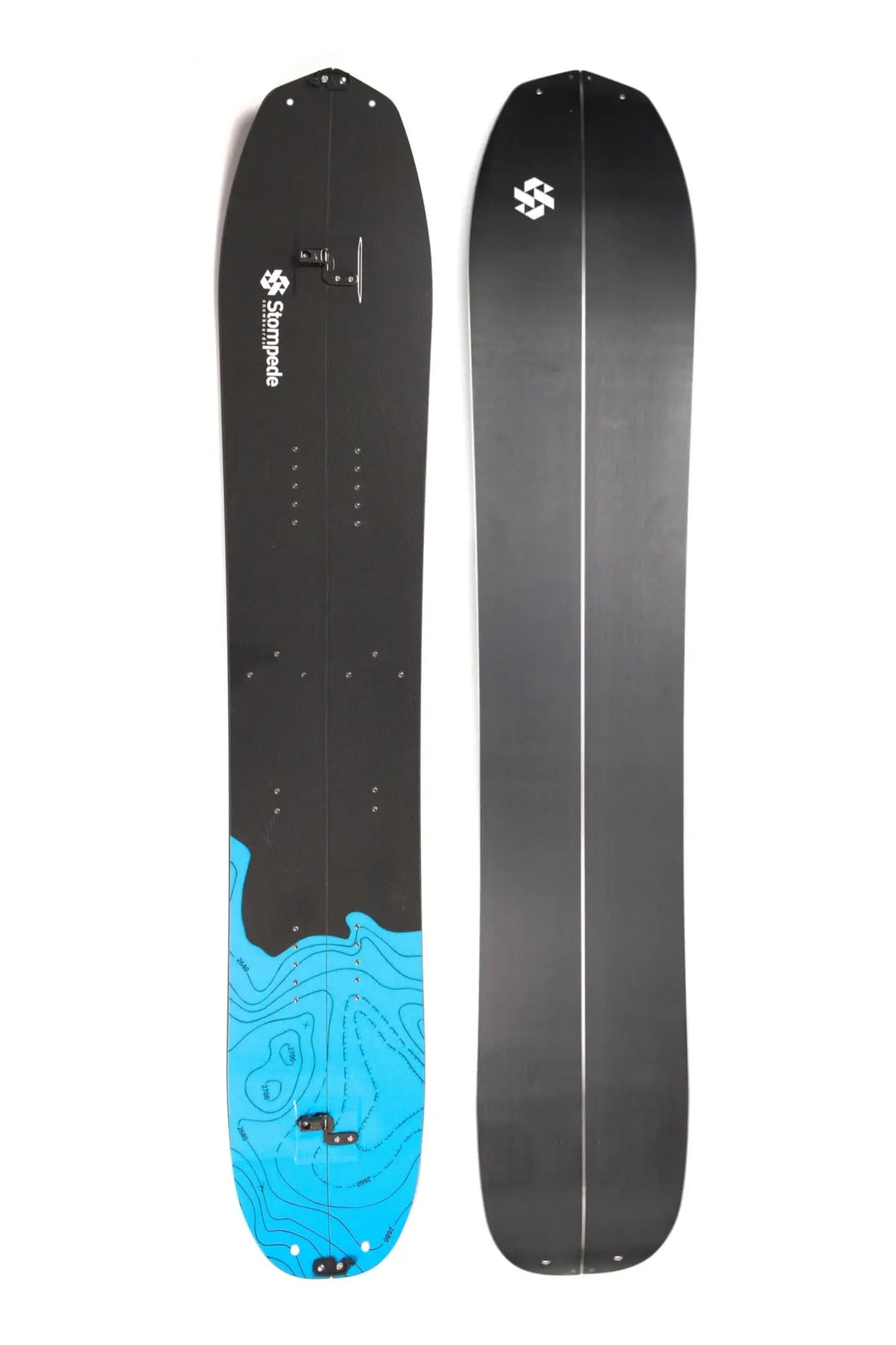
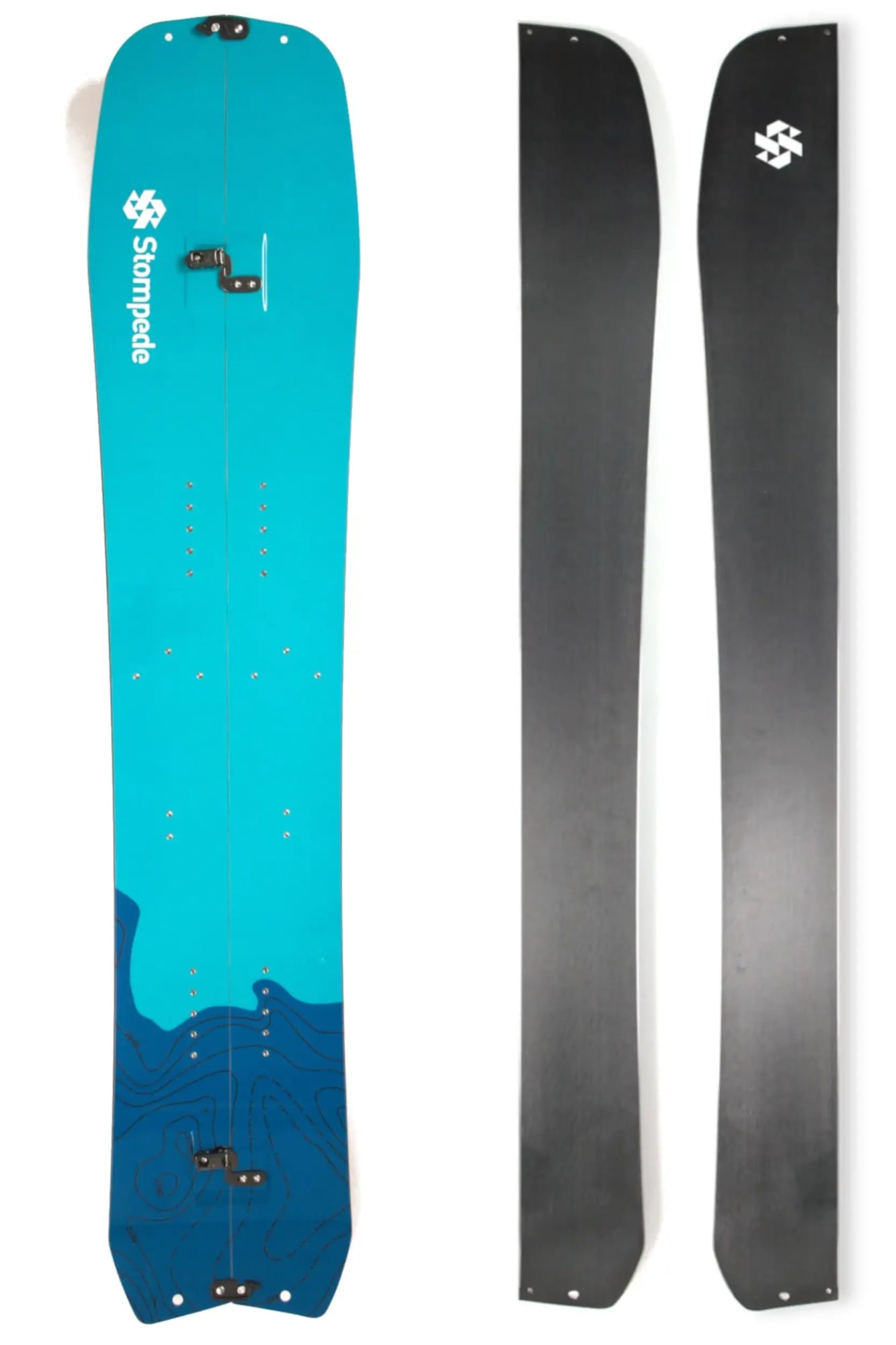
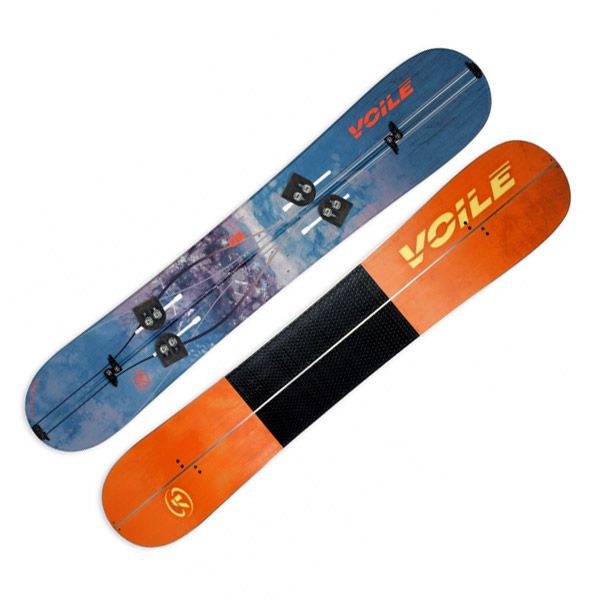
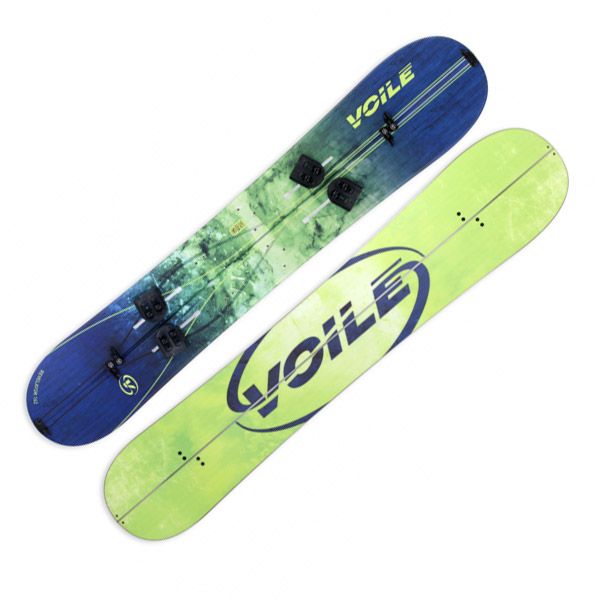
The most comprehensive overview of almost all splitboard brands and models with test reports. Check out the details of all splitboards, images and videos and read the Splitboard Gear Guide. To make your purchase easier, we regularly test new splitboard setups.
Everything you need to know about choosing the optimal splitboard setup. After clarifying "What is a splitboard?", the question naturally arises "Which splitboard should I buy - do you have a recommendation?". Our Splitboard Gear Guide and the many test reports help you make the right decision. The choice of the best matching binding system and boot is also crucial.

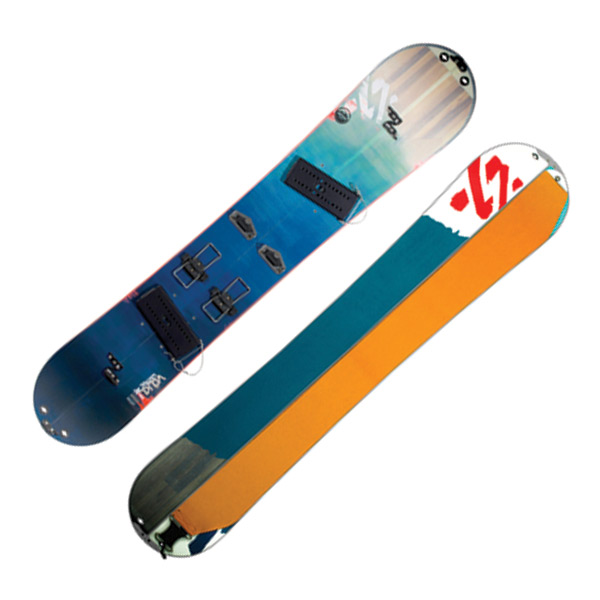
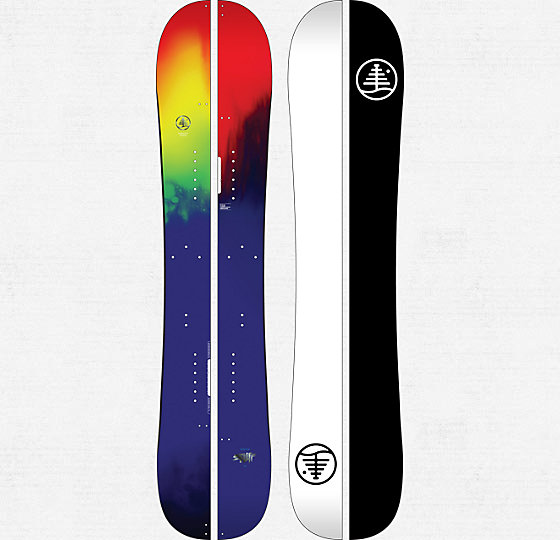
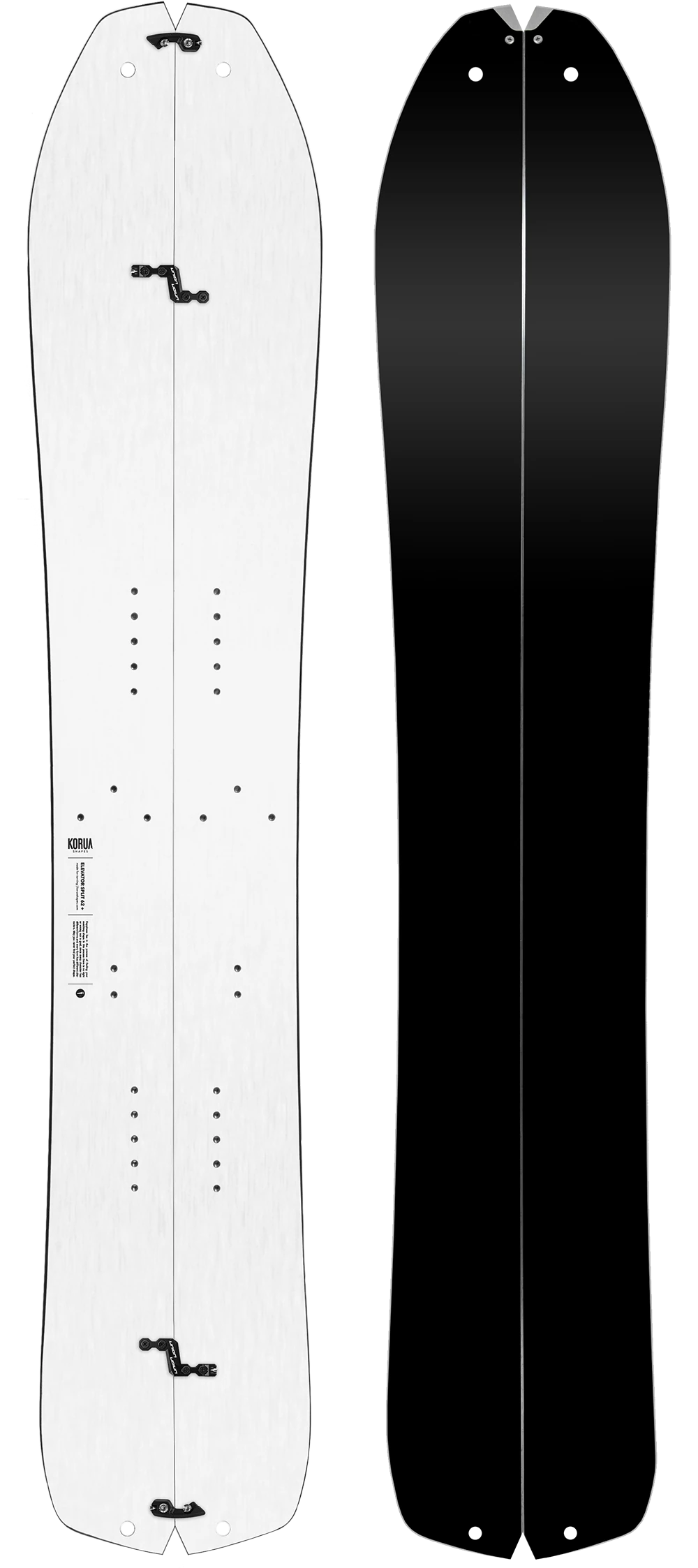
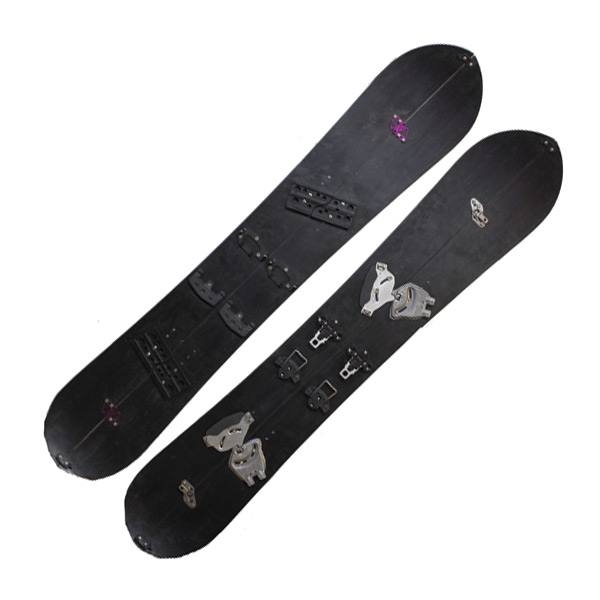
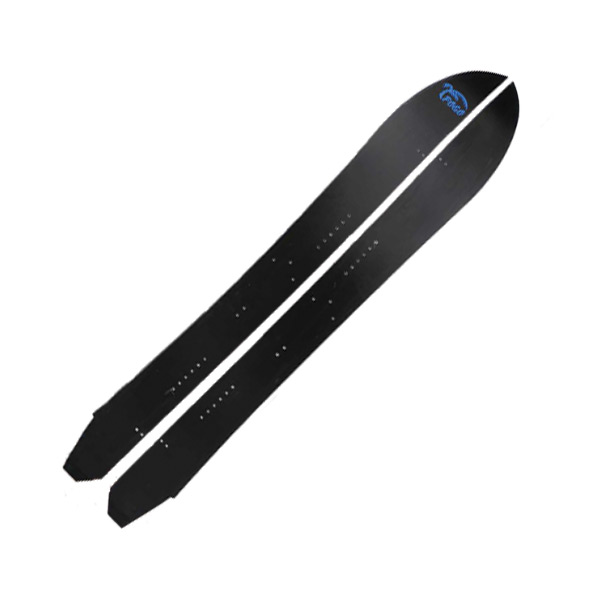
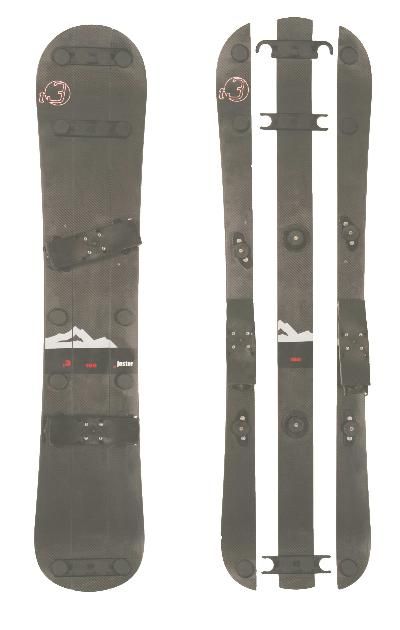
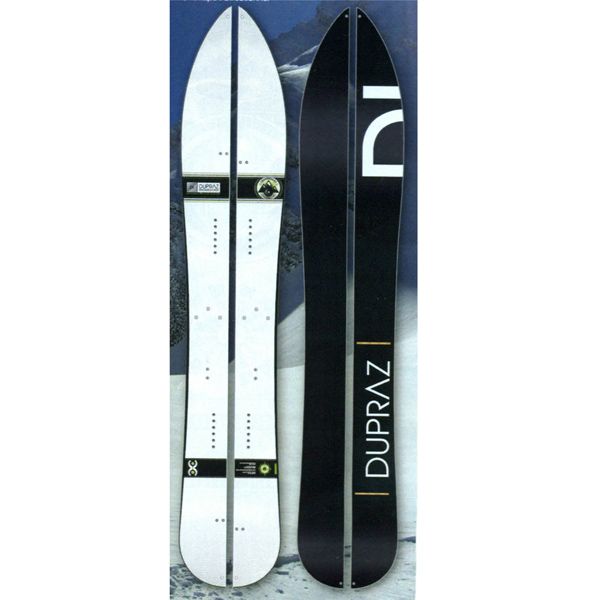
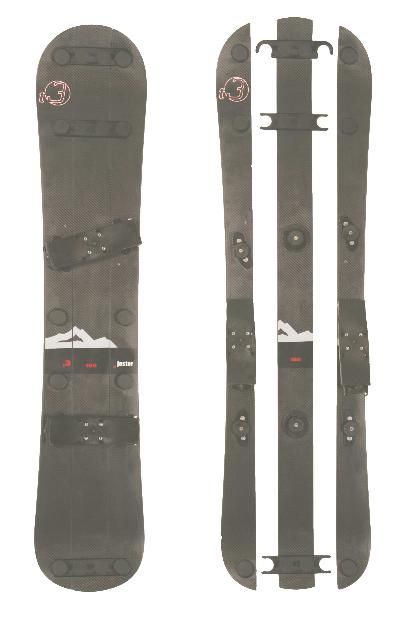
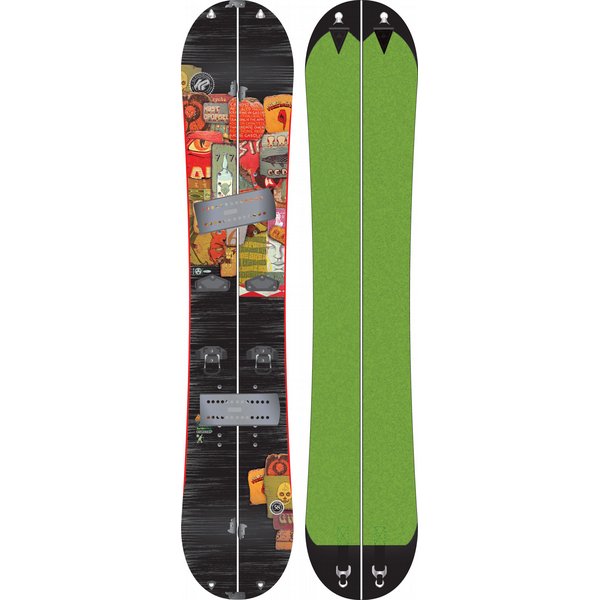
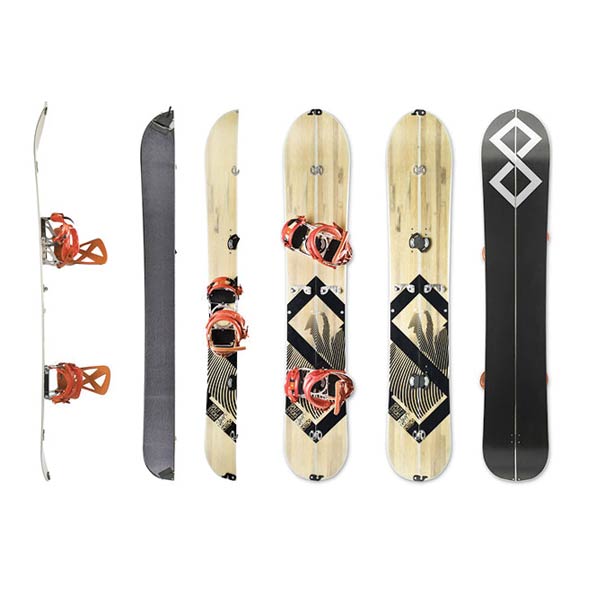
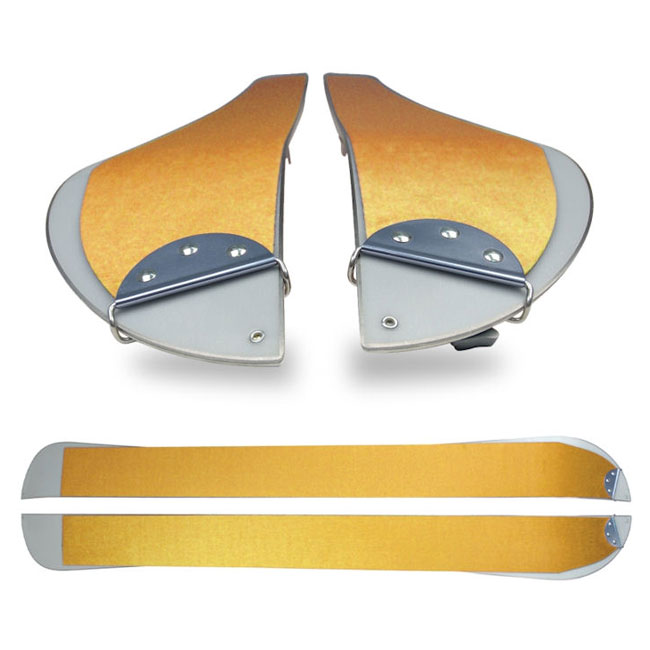
A splitboard is a snowboard that can be split lengthwise. This enables energy-saving ascents like with touring skis. Once at the top, the two board halves are reassembled into a snowboard and you can ride downhill normally. The bindings can be converted quickly and without tools and function like a ski touring binding on the ascent, like a regular snowboard binding on the descent. With matching climbing skins, you can go ski touring with the splitboard. Ride on and enjoy! In other words, a splitboard is the best way to discover the backcountry.
First, it's about assessing yourself. Find out which type of splitboarding you identify with best. Then you can compare your type with the areas of use of the boards we've tested. Also look at the profiles and shapes to find your perfect splitboard.
The ascent is a means to an end. To find untracked descents even a few days after the last snowfall, they make short to medium-length ascents near the ski resort. When everything is tracked out, longer tours are also welcome, but not necessary. In terms of riding style, splitboard models with medium to high ratings in Allmountain and Speed are interesting in our test reports.
The setup should be versatile, work excellently on the piste and withstand a lot. Weight doesn't play a major role.
They love the mountains and draw their ascent tracks through the untouched mountain landscape, far from lift operations. The tours can also be longer but shouldn't become too technically demanding. In terms of riding style, splitboard models with medium to high ratings in Allmountain and Powder test categories are interesting.
An average splitboard setup in the mid-price segment is suitable.
They love using the backcountry as a giant playground. They like to ride switch, land big airs in deep pow and butter like crazy. They're not endurance athletes but love using the splitboard to get to their untracked fun park. In terms of riding style, splitboards with high ratings in the Freestyle test category are interesting.
For them, freestyle-oriented setups are optimal to satisfy their freestyle spirit.
Currently still more common among ski touring friends. In aerodynamic gear, they sprint up the mountains with ultralight equipment to then descend as well as possible. Training is clearly the priority.
For them, an ultralight splitboard setup is best suited. Here, riding performance plays a subordinate role.
The mountains are their passion, they grow through challenges. The tours can be long and technically demanding. They don't shy away from steep and very challenging descents. In terms of riding style, splitboard models with higher ratings in Allmountain, Powder and Speed test categories are interesting.
High-end setups are in demand here that convince in both weight and durability and performance.
Most splitboard beginners can already ride snowboard off-piste and have intermediate to good riding skills. However, this doesn't mean they already have experience on the ascent, so the climbing qualities of a splitboard play just as important a role for beginners as for extreme use. The board profile is an important factor that comes into play significantly both on the ascent and descent.
There are now many different board profiles for all possible applications. Here's an overview of the most commonly built profiles and brief descriptions of their pros and cons.

This is the traditional construction of snowboards.
Advantages: Optimal edge hold on ascent and descent, good POP.
Disadvantages: Less maneuverable, catching edges, less float.
Conclusion: The right choice for those who have always ridden camber and appreciate its advantages. Precise riding is required, but you can really push it in all conditions and hard traverses on the ascent are relatively easy.

Has no preload, so lies flat on the ground.
Advantages: More edge hold than a pure rocker, so better ascent and more control. More forgiving than a camber board, relatively good stability at higher speeds.
Disadvantages: Less playful than a rocker board, less pop and edge hold than a camber board, less float in powder than a rocker or hybrid.
Conclusion: Well suited for splitboarding, although somewhat weaker on the ascent than camber boards, but offers more float and also a bit more maneuverability.

Rocker boards have negative preload, so they're shaped like a banana.
Advantages: Best float, very playful and maneuverable.
Disadvantages: Less edge on the ascent and therefore less grip than other profiles, rather unstable at high speeds with less tracking, reduced edge hold.
Conclusion: Rocker boards work perfectly on shorter, flatter ascents, but when it comes to hard and steep traverses, only crampons help, and quite early. Nevertheless, they have their advantages on the descent in untracked powder and the massive float brings a lot of riding fun.

Extended nose and camber into the tail. They're specially designed for highly variable conditions and steep descents. If the tuning and rider weight match, you have a lot of control and stability even at high speeds.
Advantages: Good grip in the rear edge area, also positively affects the ascent. Lots of float and maneuverability.
Disadvantages: Riding or landing switch is virtually impossible.
Conclusion: These boards are well suited for demanding splitboarding and splitboard mountaineering with a clear focus on fat lines, demanding couloirs or highspeed runs. Those who also want to ride switch with their split should choose a different profile.

This profile offers significantly more edge hold than a pure rocker board but is still relatively maneuverable and has good float. On the ascent, it usually has good grip, although there are still compromises compared to a pure camber board.
Advantages: Maneuverable, stable, solid on the edge, switch riding possible.
Disadvantages: Slightly less grip than a camber board.
Conclusion: Well suited for splitboarding when descent fun should be great, ascent performance solid and playful use of terrain features desired. This profile also has good float in powder.

This profile provides additional POP, very good grip and control on the edge, both on ascent and descent. Hard landings after big kickers or drops are handled well. This profile also forgives small mistakes.
Advantages: Switch riding works, hard conditions are no problem, also quite stable on the ascent, maneuverable and fairly forgiving.
Disadvantages: It wants to be ridden very powerfully, otherwise it starts to "skip" in turns.
Conclusion: For freestyle-oriented and aggressive splitboarders, such a board can be the right choice.
There are many different shapes that have special riding characteristics or are particularly well suited for certain conditions. The most important shapes in brief:
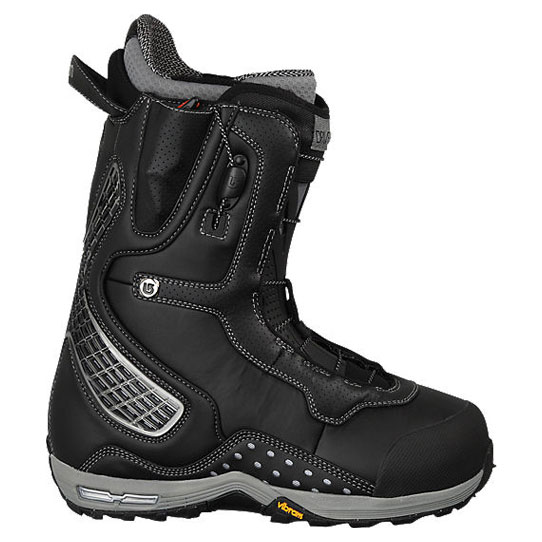
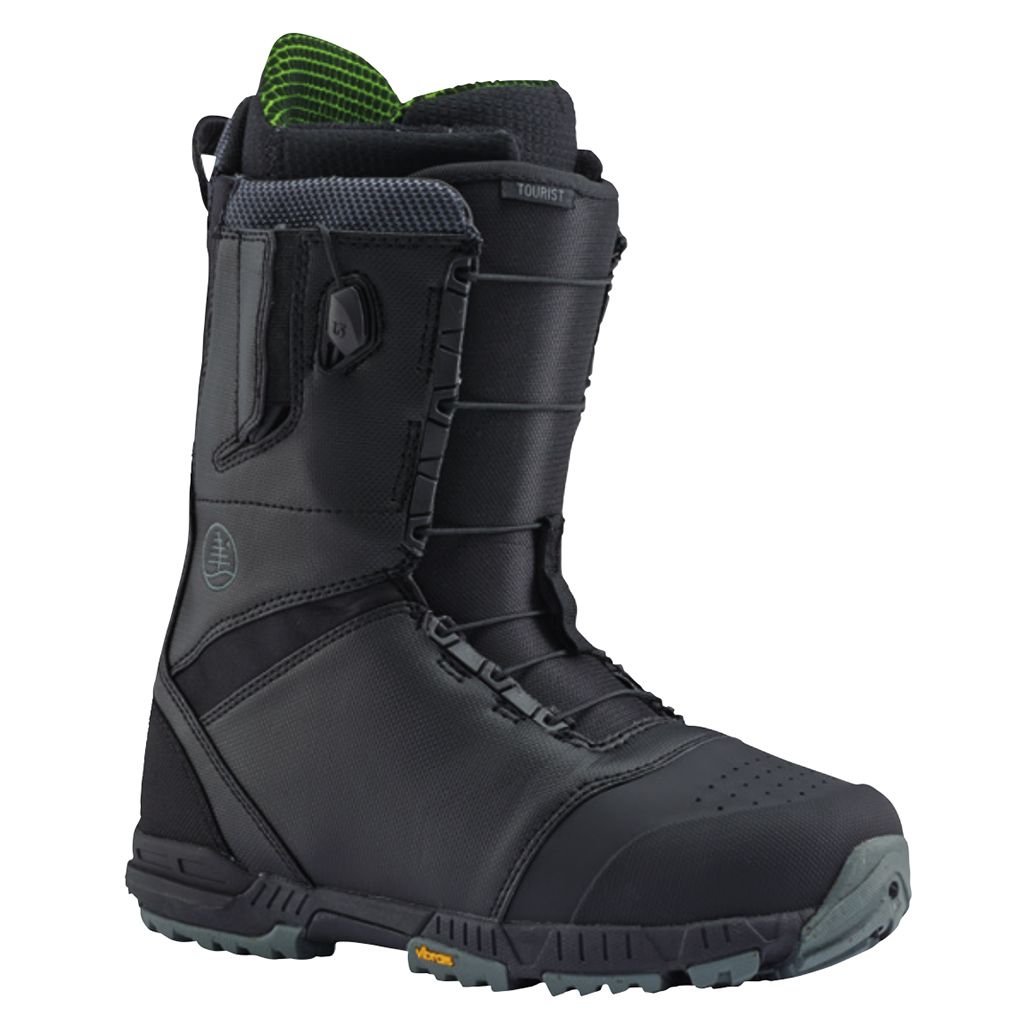
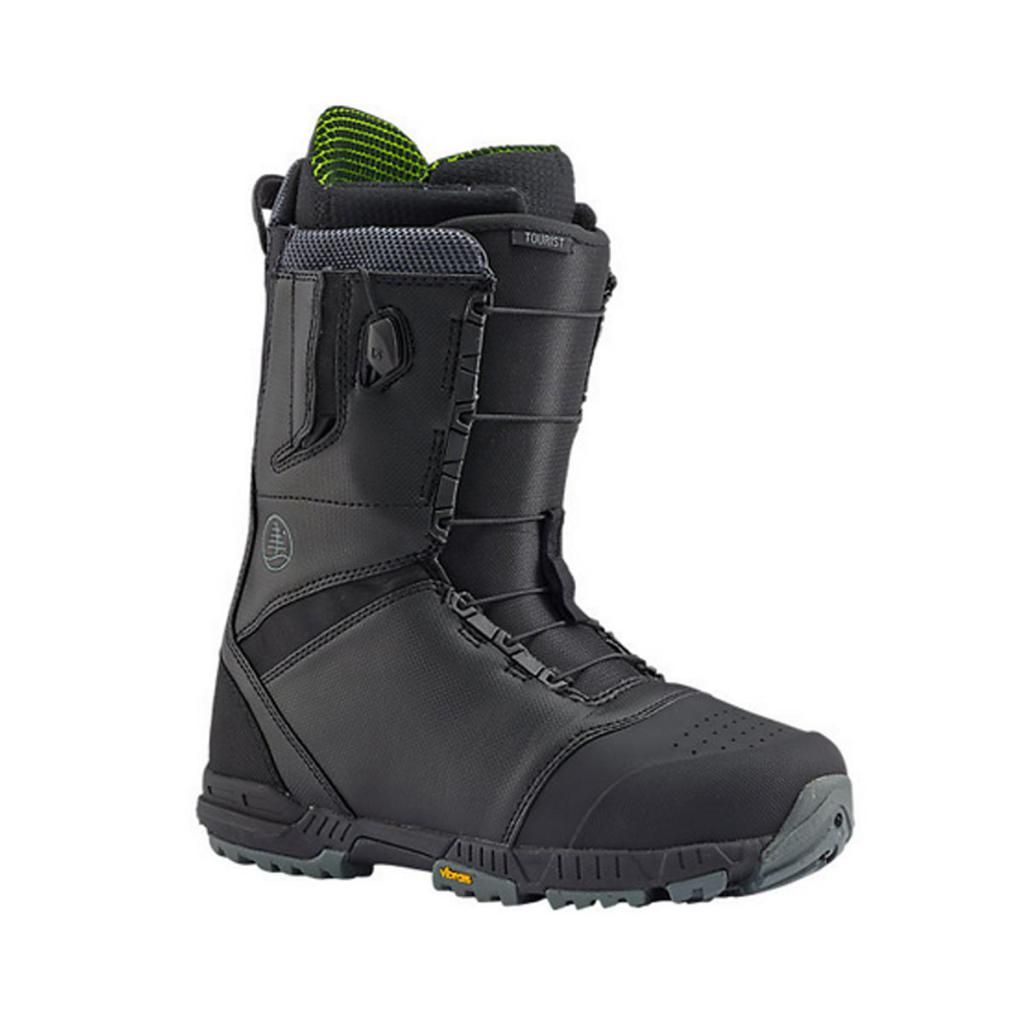
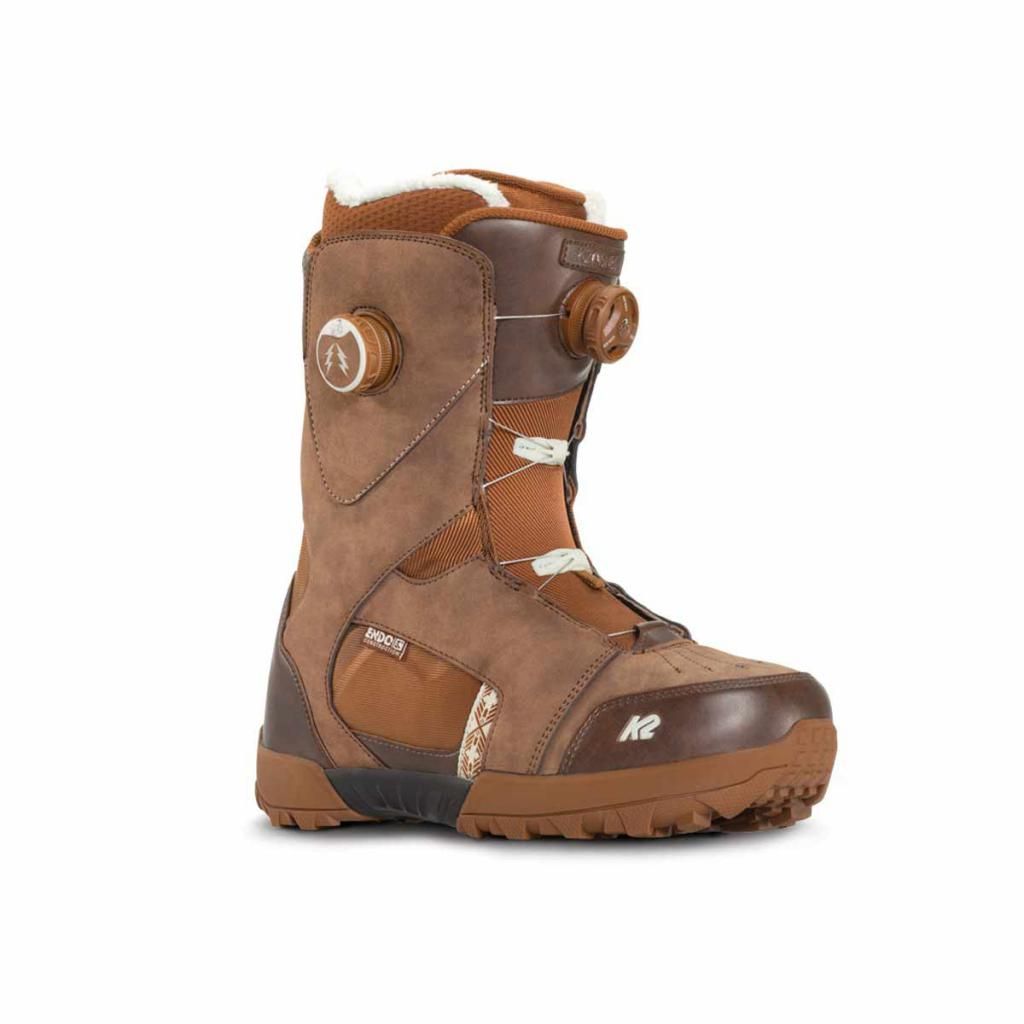
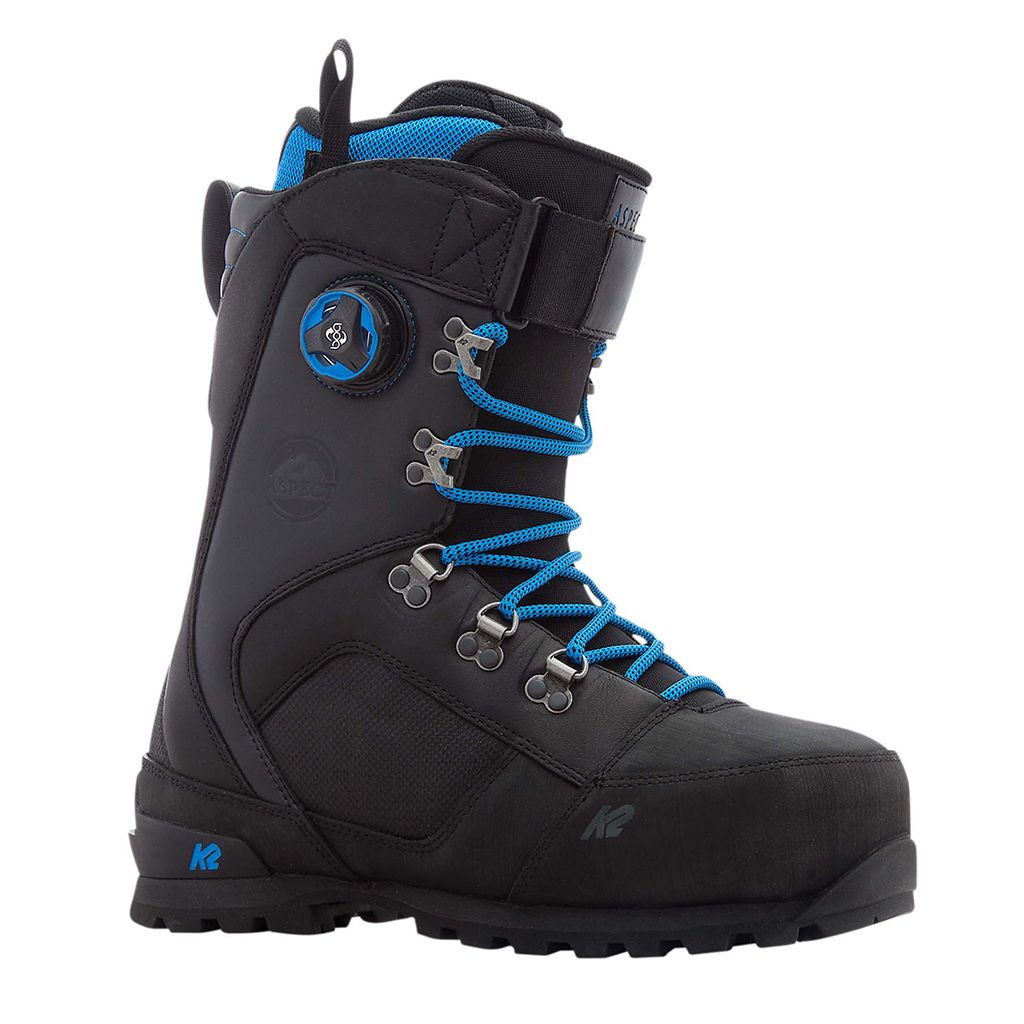
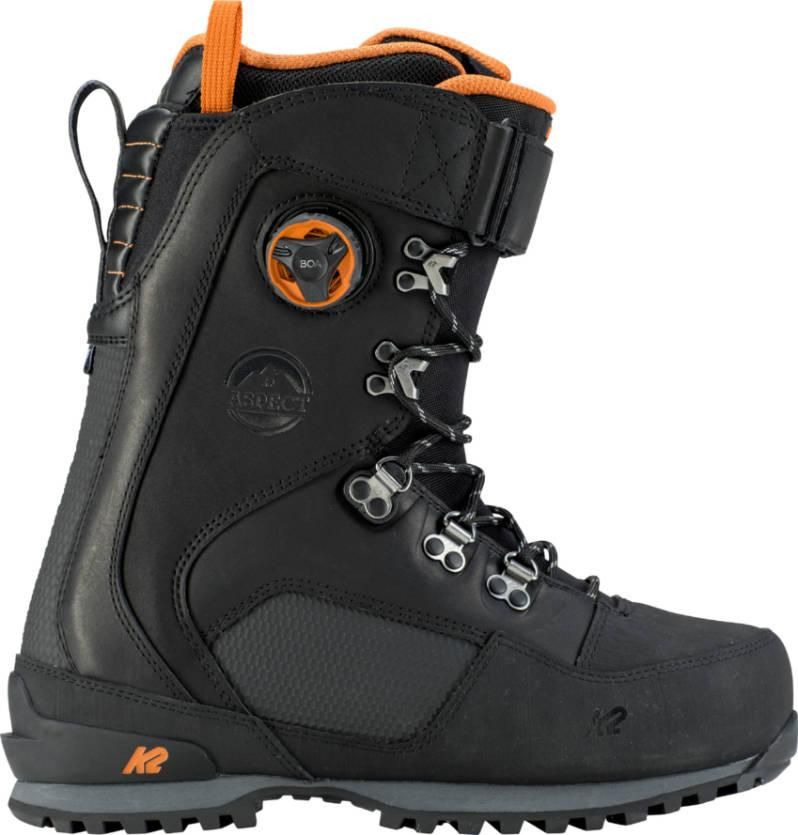
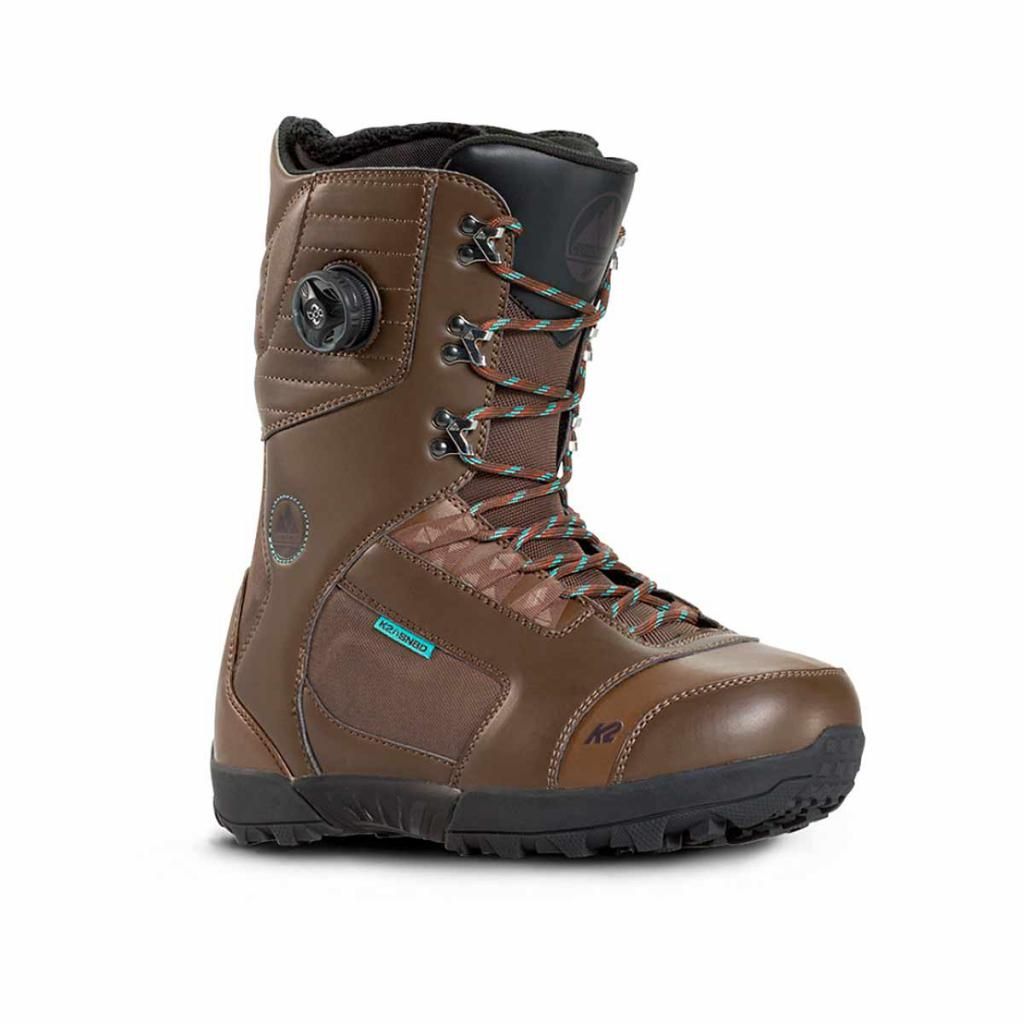
The combination of splitboard, binding and boot is crucial for splitboarding performance. Splitboard boots and bindings significantly enhance the fun and safety of splitboarding. The boots have a firmer, grippier sole and a stiffer shaft - so less energy is lost in the boot and more power is transferred to the board.
Important: The power transfer between boot, binding and board significantly determines climbing performance and control on the descent. An optimally matched setup makes the difference between enjoyment and struggle on the mountain.
You get excellent pressure on the board with good response on the descent and good edge hold on the climb. With a stiff boot, less power is lost in the material - the power is transferred directly through the boot and binding to the board. Ideal for: Alpine splitters and demanding conditions.
Power is not optimally transferred to the board. The material deformation of the highback absorbs the power, resulting in less pressure on the splitboard. Not recommended for demanding terrain.
Pleasant feeling on the climb and riding in soft snow, but compromises in power transfer. Traverses require crampons earlier as the boot deforms and the splitboard is less "responsive". Suitable for: Wellness splitters on moderate tours.
Great feeling when hiking and riding - it can even feel surfy. But when conditions get challenging, you'll lack control on the splitboard, both on the ascent and descent. Only recommended if you mainly ride in soft snow.
It depends on your preferences. Since you often encounter many conditions on the same day when splitboarding in the Alps, we recommend a combination that makes compromises in comfort and weight but is suitable for most conditions. Rule of thumb: Better slightly stiffer than too soft.
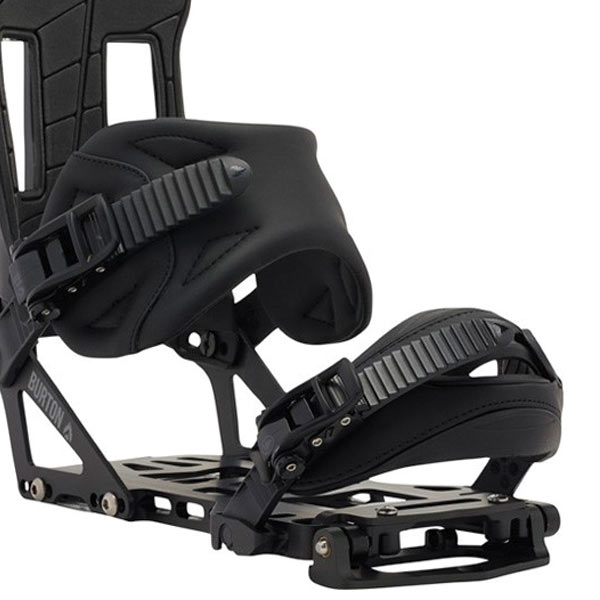
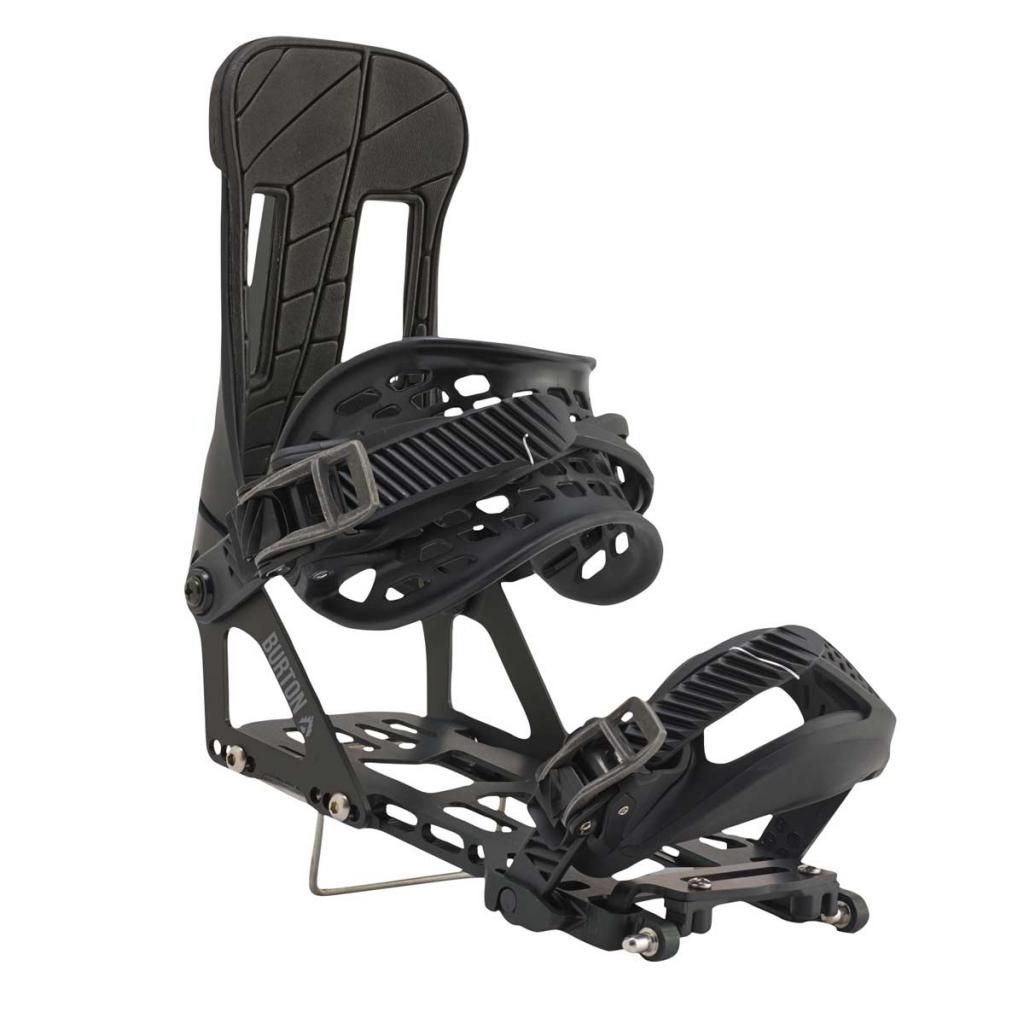
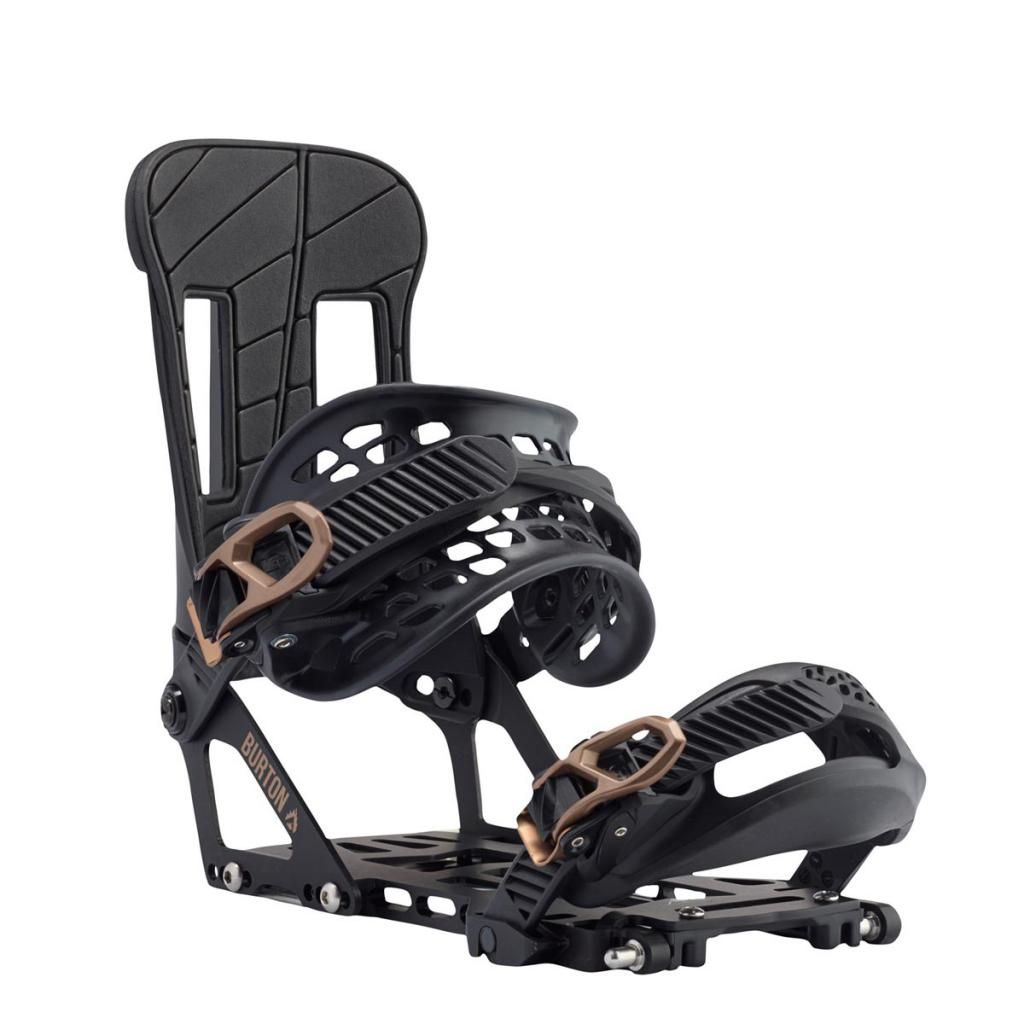
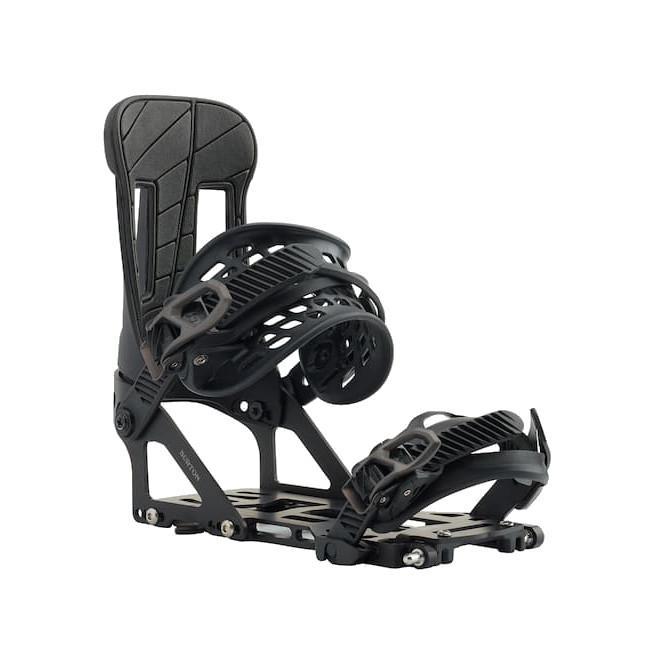
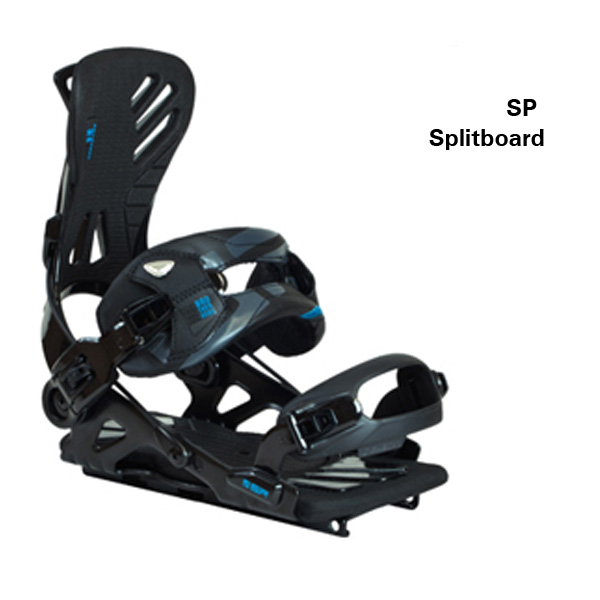
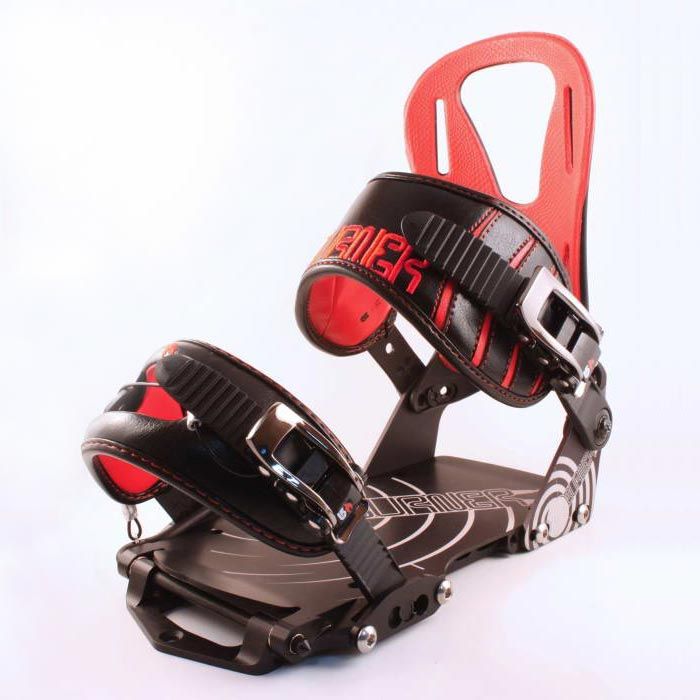
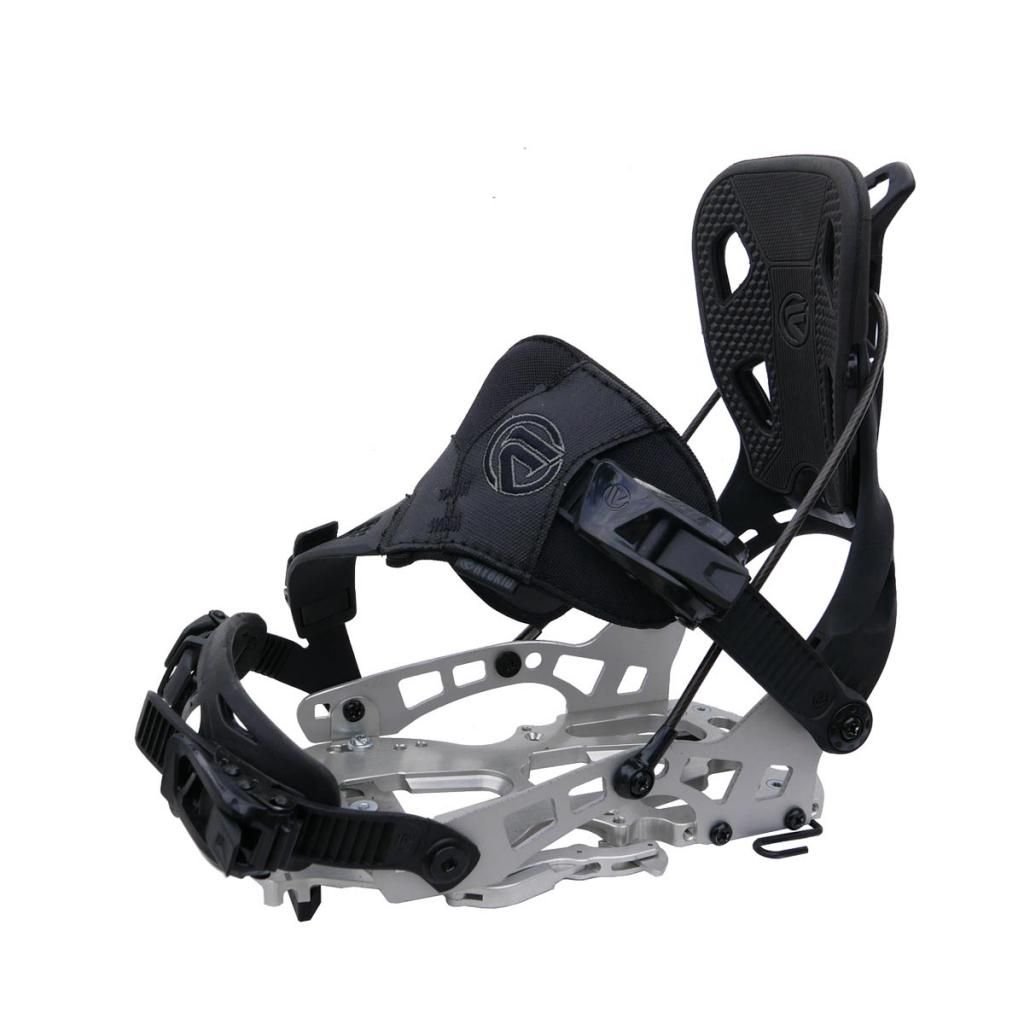
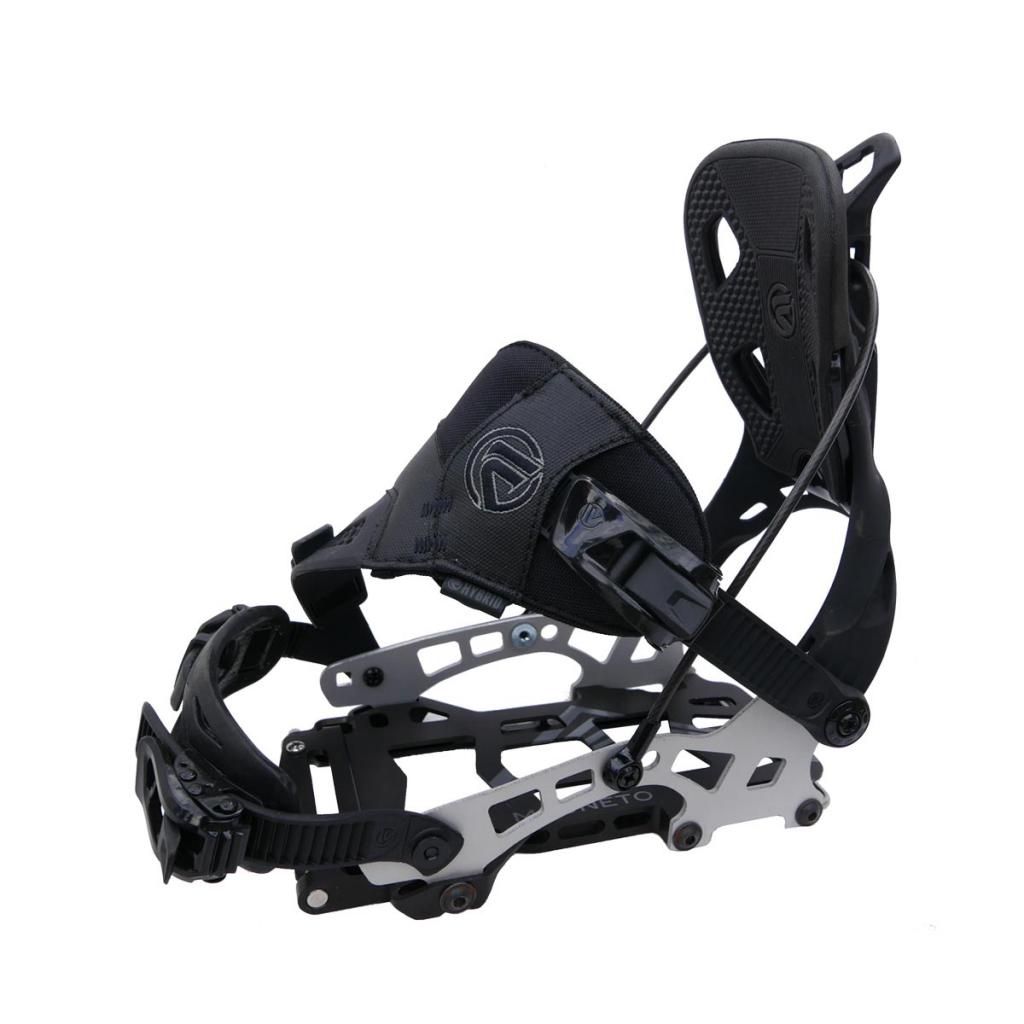
Splitboard bindings have developed massively in recent years. There is now a wide range of binding systems and interfaces with different advantages and disadvantages. The connection between boot, binding and board is extremely important for power transfer.
The most sophisticated puck-based splitboard binding system. The Arc and Surge models feature brilliantly simple and reliable handling when switching from split to ride mode. The Arc is one of the lightest bindings on the market, while the Surge delivers serious stiffness.
Based on its own interface with lever mechanism. The Karakoram board connectors press the board halves together, providing additional torsional stiffness.
On the market since 2014 with its own interface and well-thought-out construction. The board halves are pulled together by a lever mechanism when mounting the binding - excellent torsional stiffness and power transfer.
Collaboration with Spark R&D technology. Same proven features of the Spark binding combined with Union straps and highback.
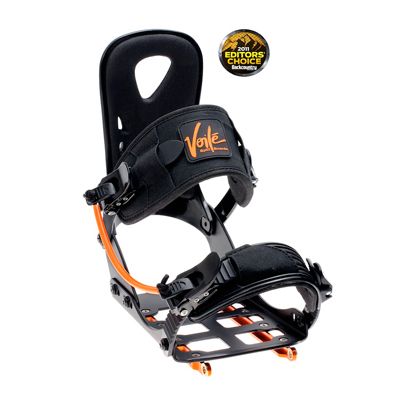
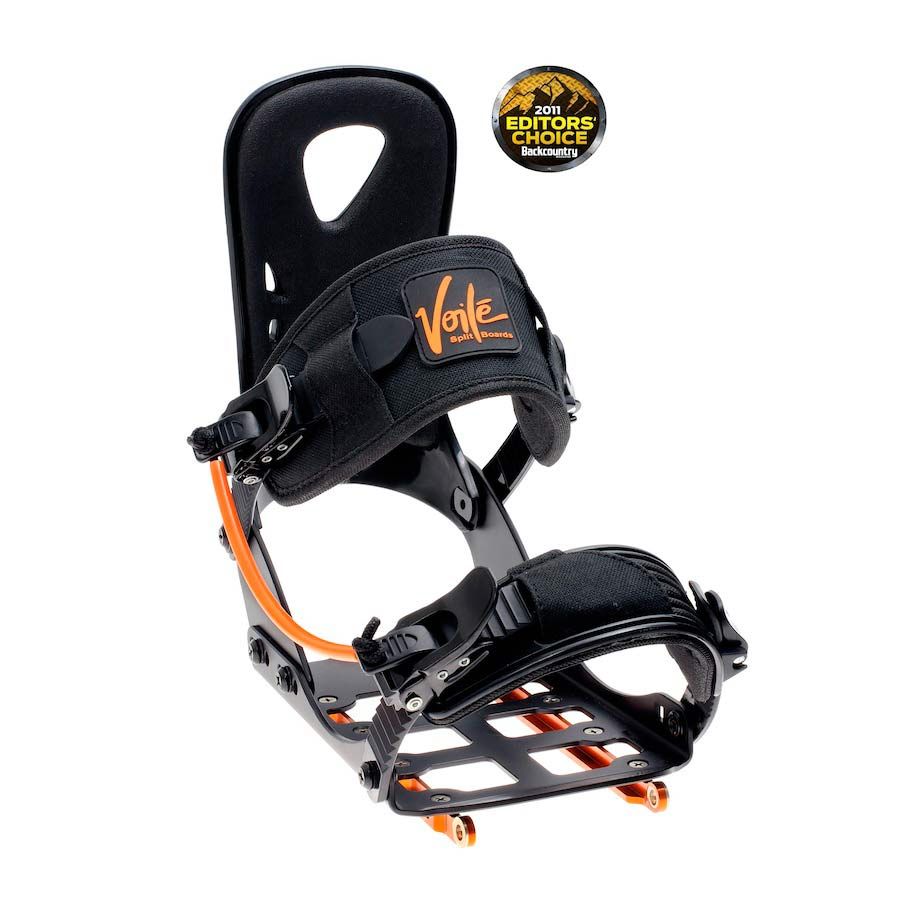
Voile: Solid, simple and affordable - the classic among splitboard bindings.
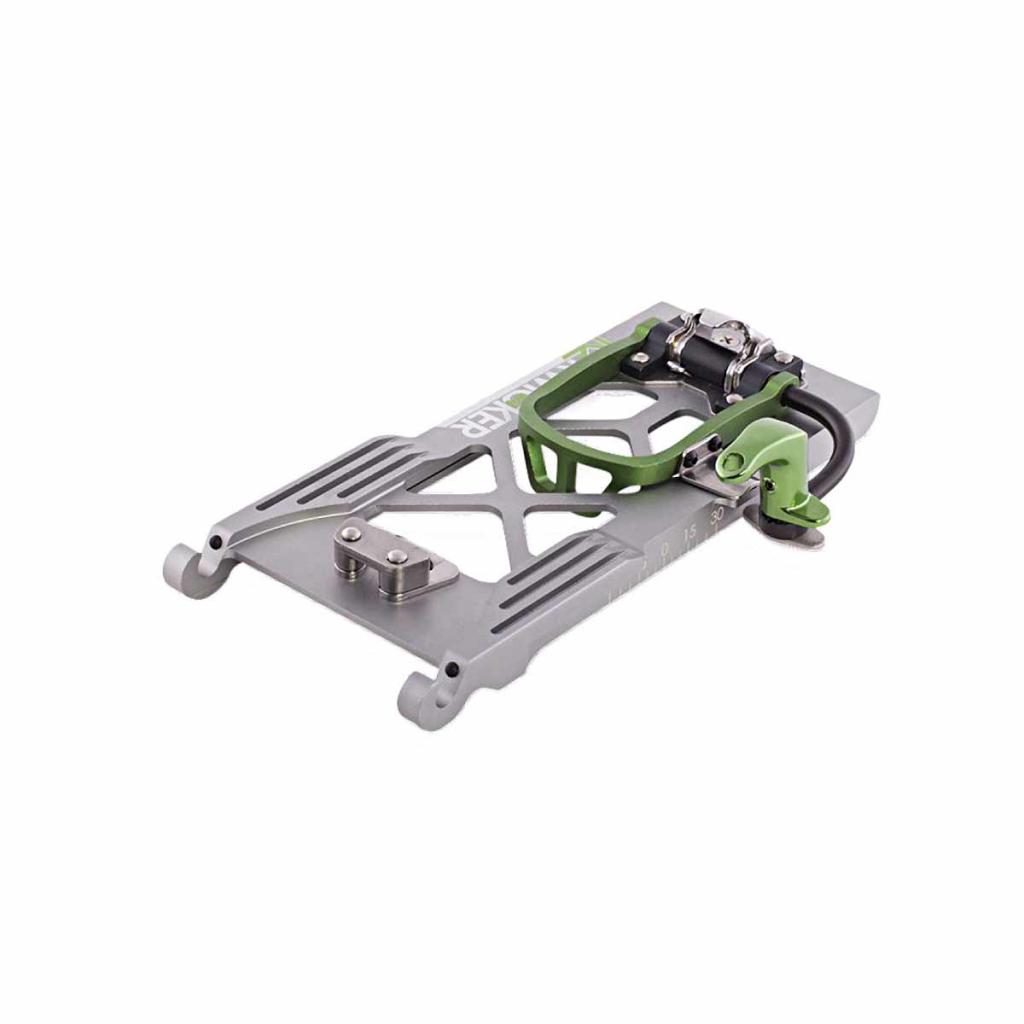
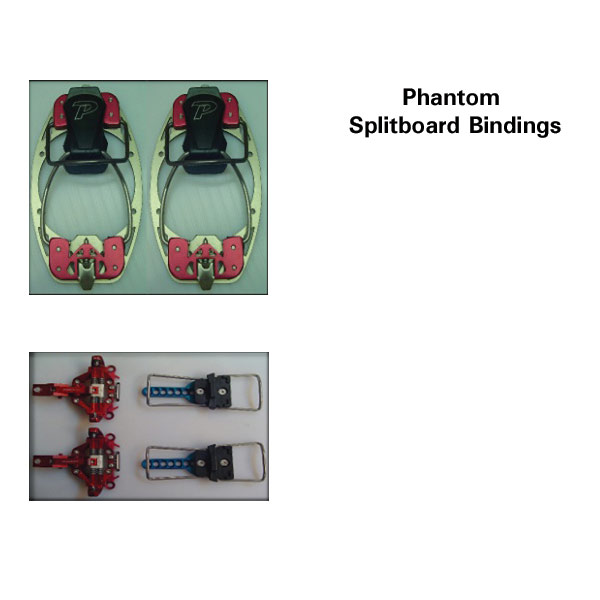
Phantom: The "state of the art" binding for hardboot splitboarders. Lightweight, robust and top power transfer.
Compare all bindingsPower transfer is crucial for performance - a stiff boot is generally advantageous. With a stiff boot, less power is lost in the material and more is transferred to the binding and splitboard.
Good to know: In principle, any normal snowboard boot can be used for splitboarding. However, the advantages of dedicated splitboard boots are crampon compatibility, extremely grippy soles and optimized stiffness for climbing.
A stiffer shaft transfers power better to the binding and board. Less energy loss = better control.
Special Vibram or Michelin soles provide extreme grip on rock, ice and snow - essential for alpine approaches.
Many splitboard boots are designed for semi-automatic crampons - important for demanding high tours.
Good insulation keeps feet warm even on long climbs and cold descents.
To find your optimal splitboard setup, you should be clear about the following points:
The combination of splitboard, binding and boot must match your riding style and your tours. A well-matched setup makes the difference between enjoyment and frustration on the mountain.
This comprehensive Splitboard Gear Guide is regularly updated and based on years of experience from the splitboarding.eu community.
Source: splitboarding.eu/en/splitboards - The most comprehensive English splitboard guide