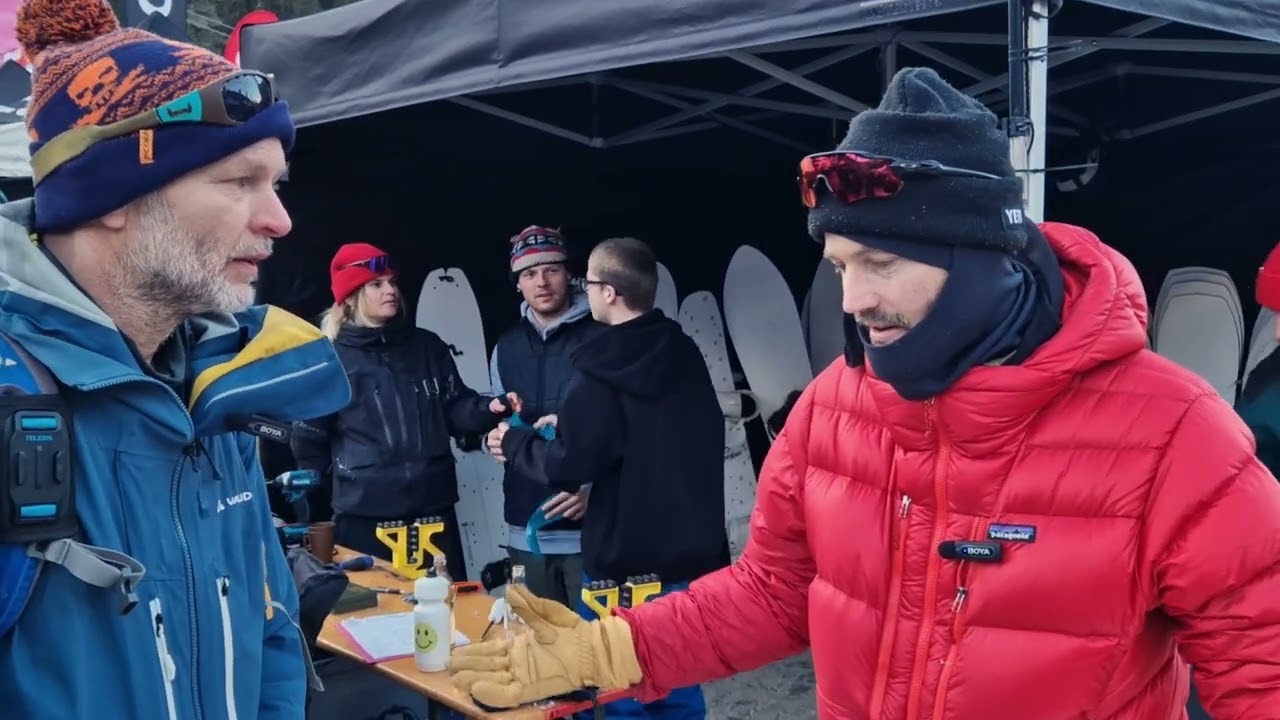
Nicholas Wolken: Good lines start with good decisions
A good line starts long before the first turn. For Nicholas Wolken, that includes questioning what you know and really listening when the people around you talk about their objectives. We spoke with the Korua co-founder about his approach to risk and safety in the mountains.
Watch: Nicholas Wolken on Risk & Safety Management
The English-language conversation runs for 3:33. We published the video on our YouTube channel on 10 February 2026. Here are the ideas that stood out to us.
Experience is not a graduation certificate
Nicholas says he takes an avalanche course roughly every other year. Revisiting the basics keeps teaching him something new. He recommends learning with professionals who understand current knowledge and procedures.
His view of experience is refreshingly grounded: the more he experiences, the more he recognises what he does not know. Even highly experienced people die in the mountains. For him, continuing to learn matters far more than believing you have already figured everything out.
Make a plan, then compare it with the day
Preparation is part of his normal routine. But it does not end when the group leaves. Nicholas describes checking whether what you planned for matches what you actually find on the mountain.
He sees safety as a process. There is no single action that removes all risk. Knowledge, preparation, observation and a willingness to reassess have to work together.
Talk to each other. Then really listen.
Nicholas is especially clear about the human side. In his experience, scientific knowledge often gets most of the attention in training, while group dynamics can become a small footnote. Personal experiences with avalanche incidents have shown him how much communication matters.
Listening means understanding what your partners want to do and what motivates them. Are your expectations aligned? Does a concern get heard? Recognising a mismatch early can help avoid finding yourself somewhere you never wanted to be that morning.
Choose partners who can say no
Nicholas values touring with people who make him feel heard. That includes partners willing to say no or turn around when someone feels uncomfortable, and people he can learn from.
That is what stays with us after this short conversation: being a group means making room for doubt. The planned line should remain open to discussion.
Jump to a topic
- 0:28: Preparation and refresher courses
- 1:18: Safety as a process and the limits of experience
- 2:12: Group dynamics, motivation and listening
- 3:00: Touring partners, saying no and turning around
Start preparing your next tour
Explore our mountain weather sources, official avalanche bulletins and tour-planning knowledge. Find more personal perspectives in our rider safety interviews.
Interested in Nicholas’ perspective on equipment too? In our Korua Splitline 2027 video, he introduces the Elevator and Quill.