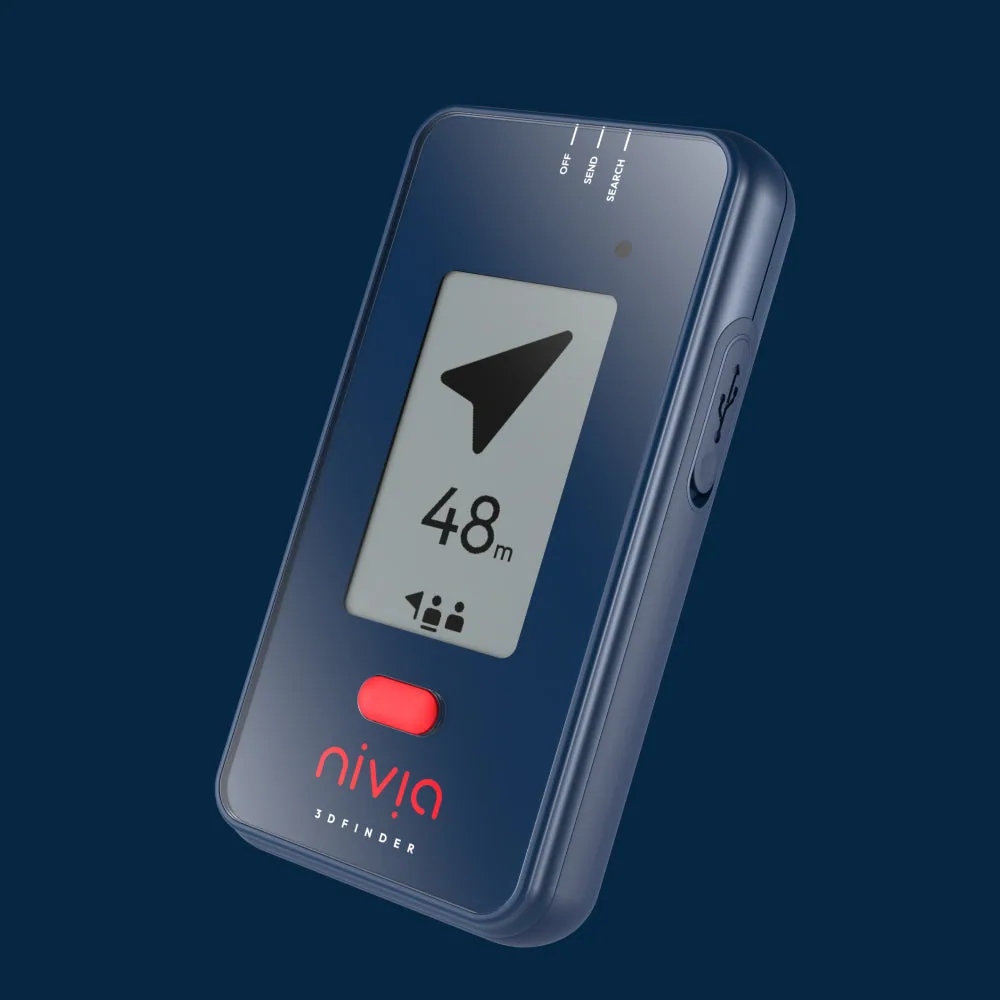
nivia 3D finder 26/27
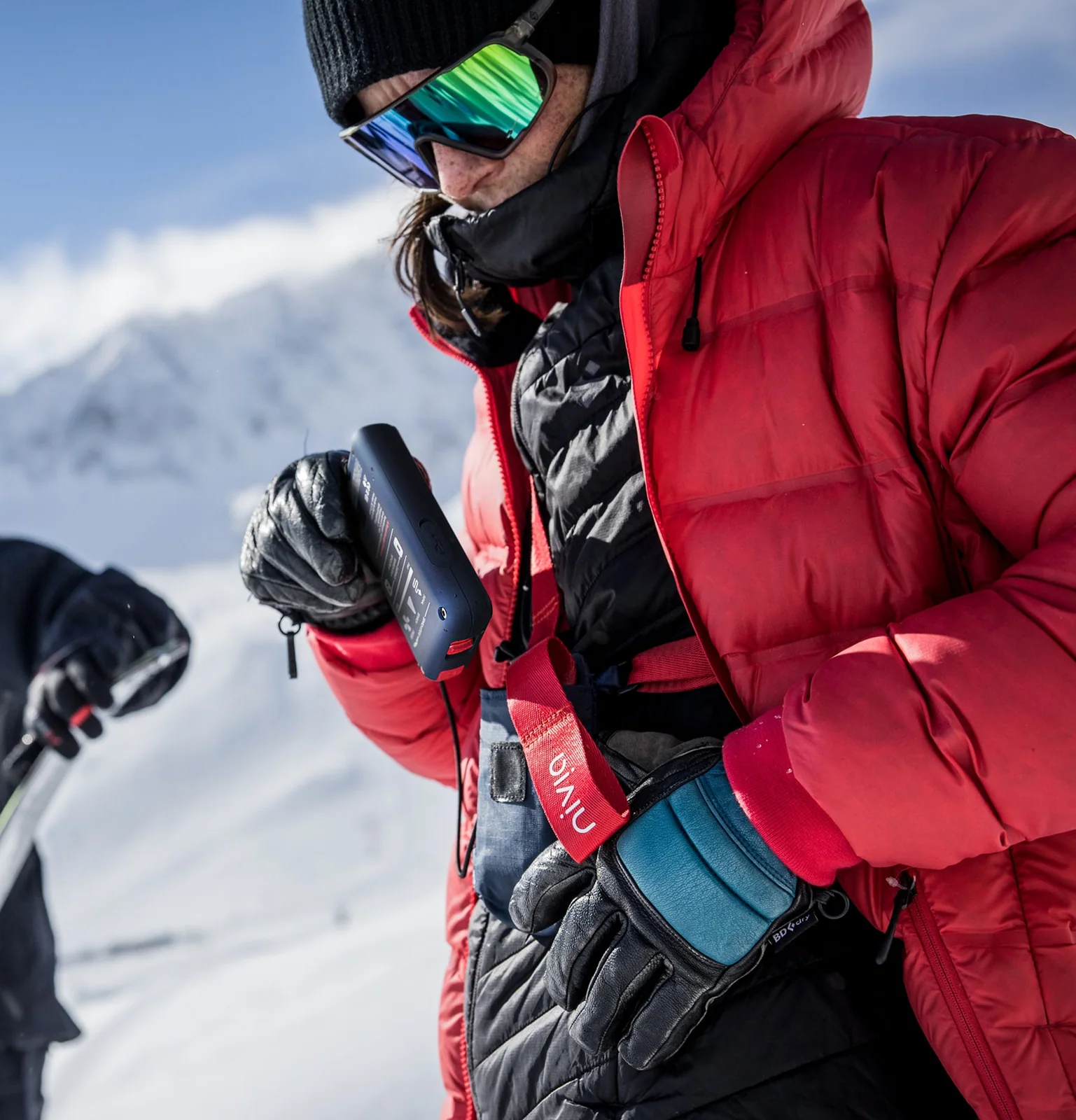
The nivia 3D finder is a digital three-antenna avalanche transceiver that adds GPS-assisted 3D guidance to the standard 457 kHz search. nivia says this enables direct fine search without conventional cross-bracketing. The concept is interesting, but its advantage still needs to be demonstrated in independent field testing.
What distinguishes the nivia 3D finder?
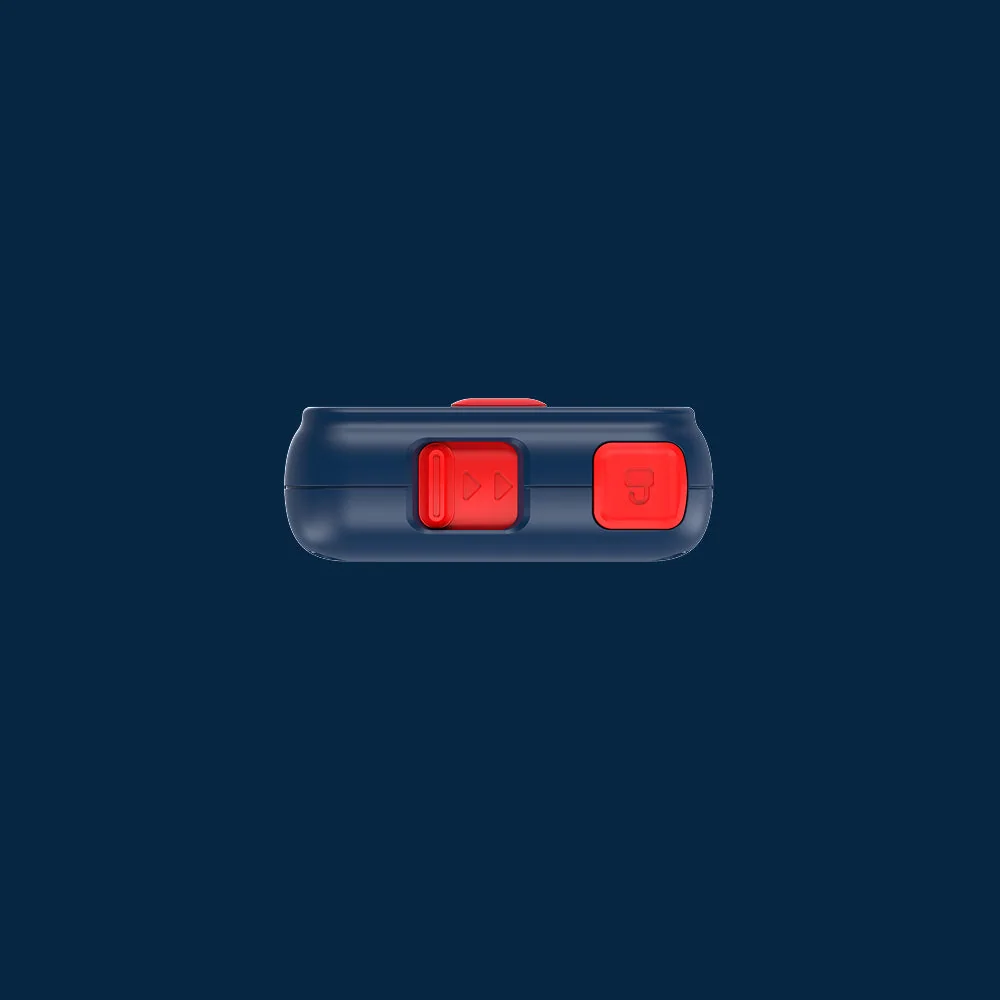
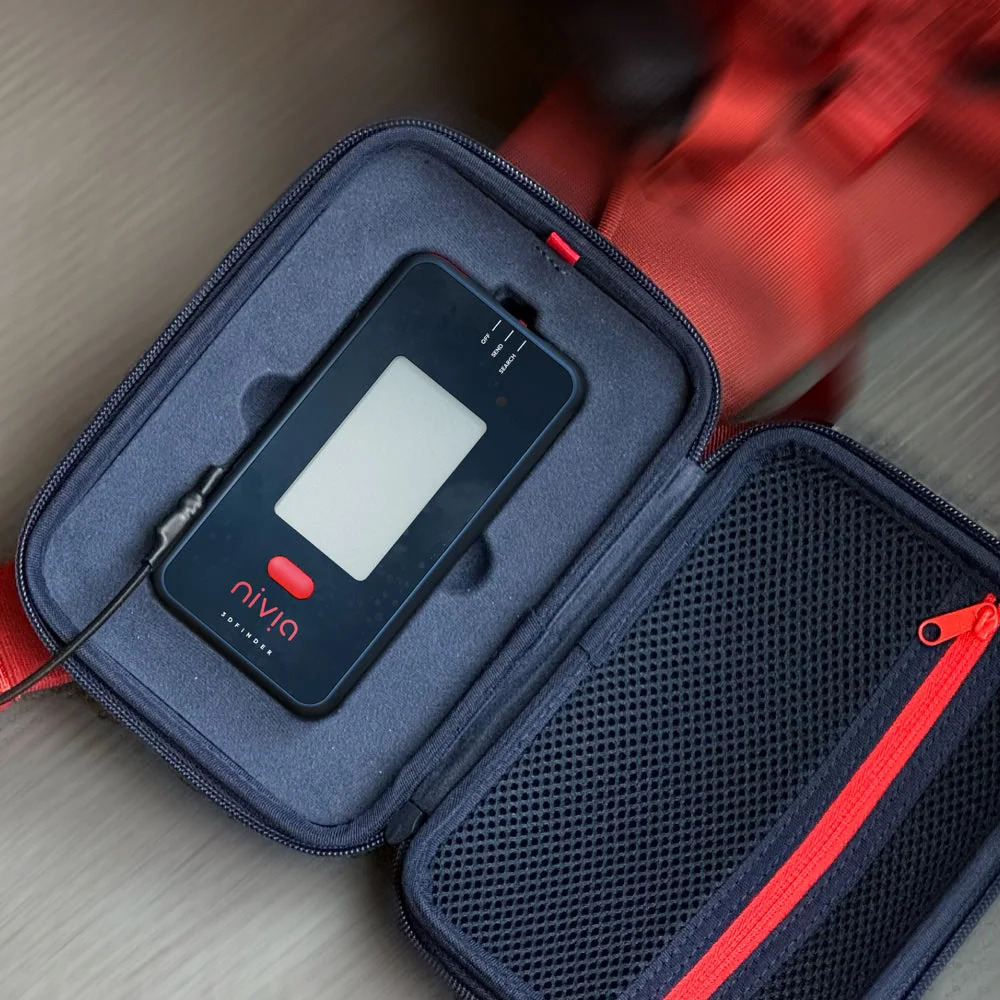
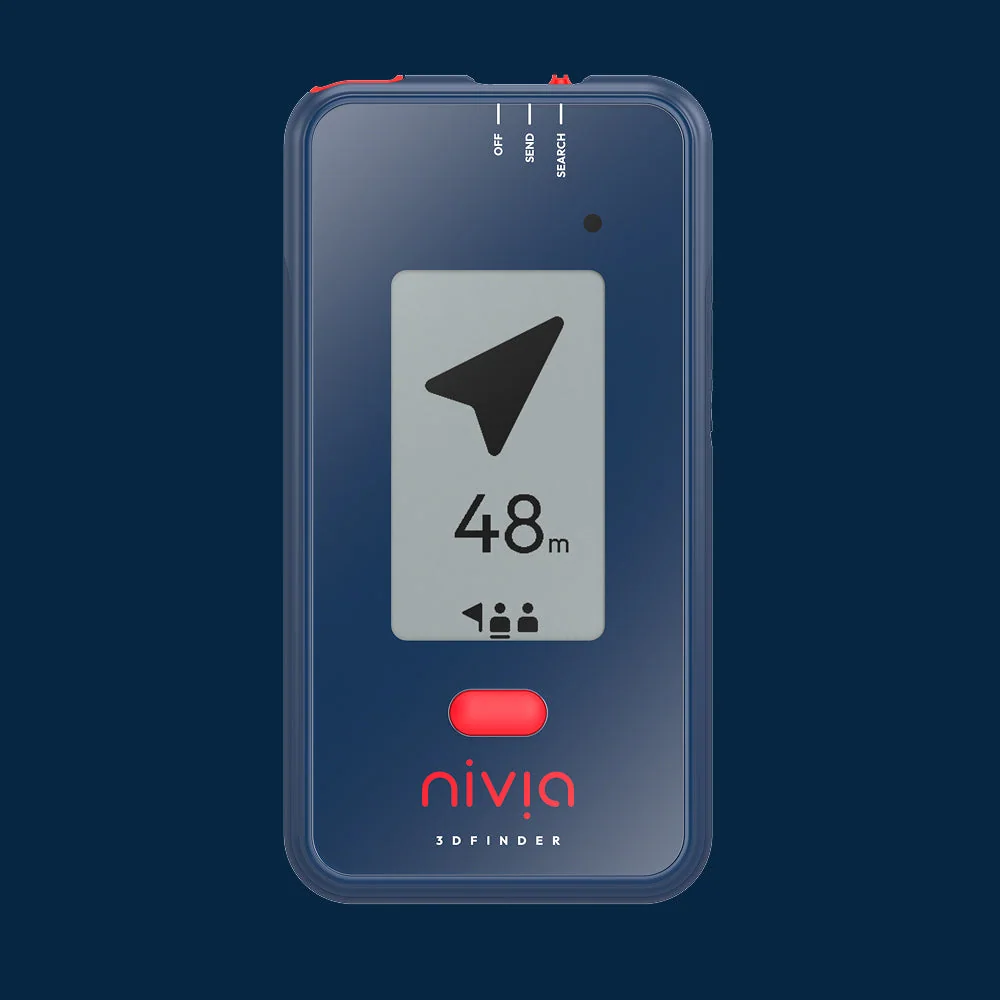
A mechanical OFF/SEND/SEARCH switch selects the operating mode. A separate button handles marking, group check and configuration. nivia specifies 50 metres range on the X and Y axes, 40 metres on the Z axis and a maximum 70-metre search-strip width under ICAR AVA REC 0007.
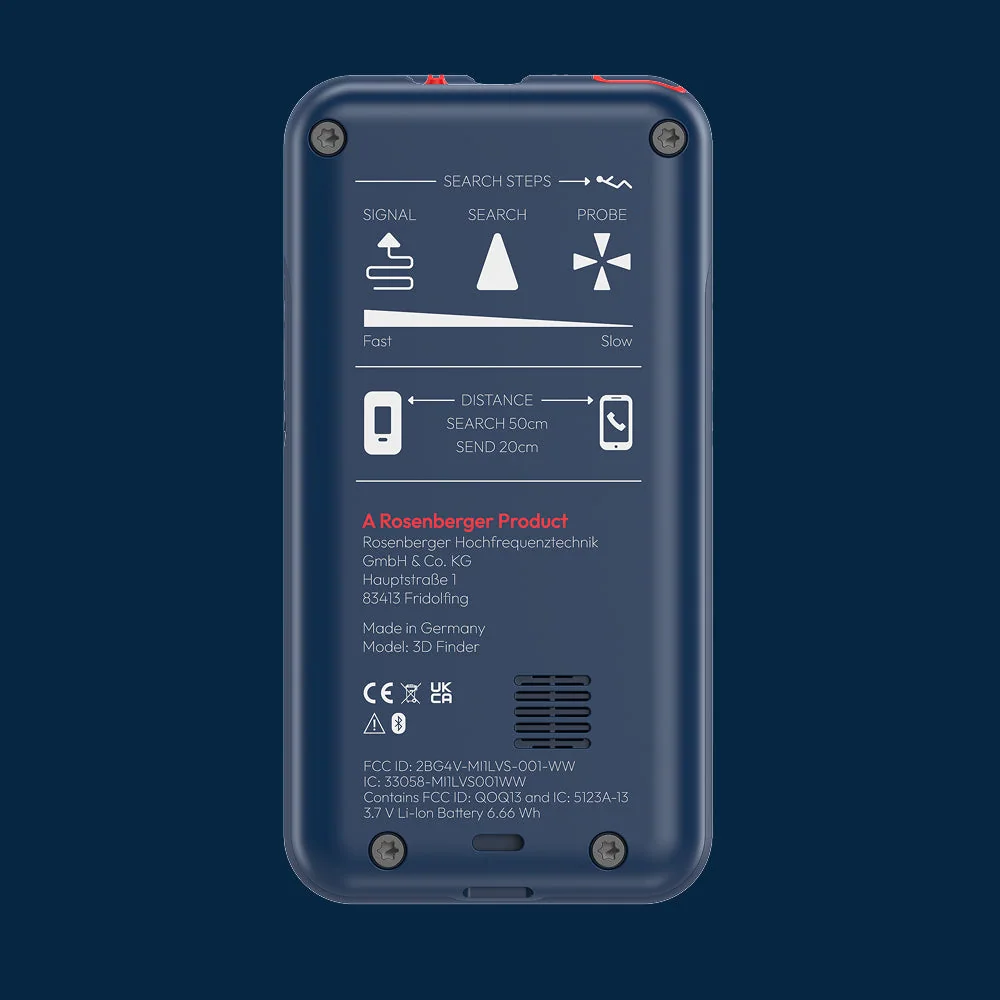
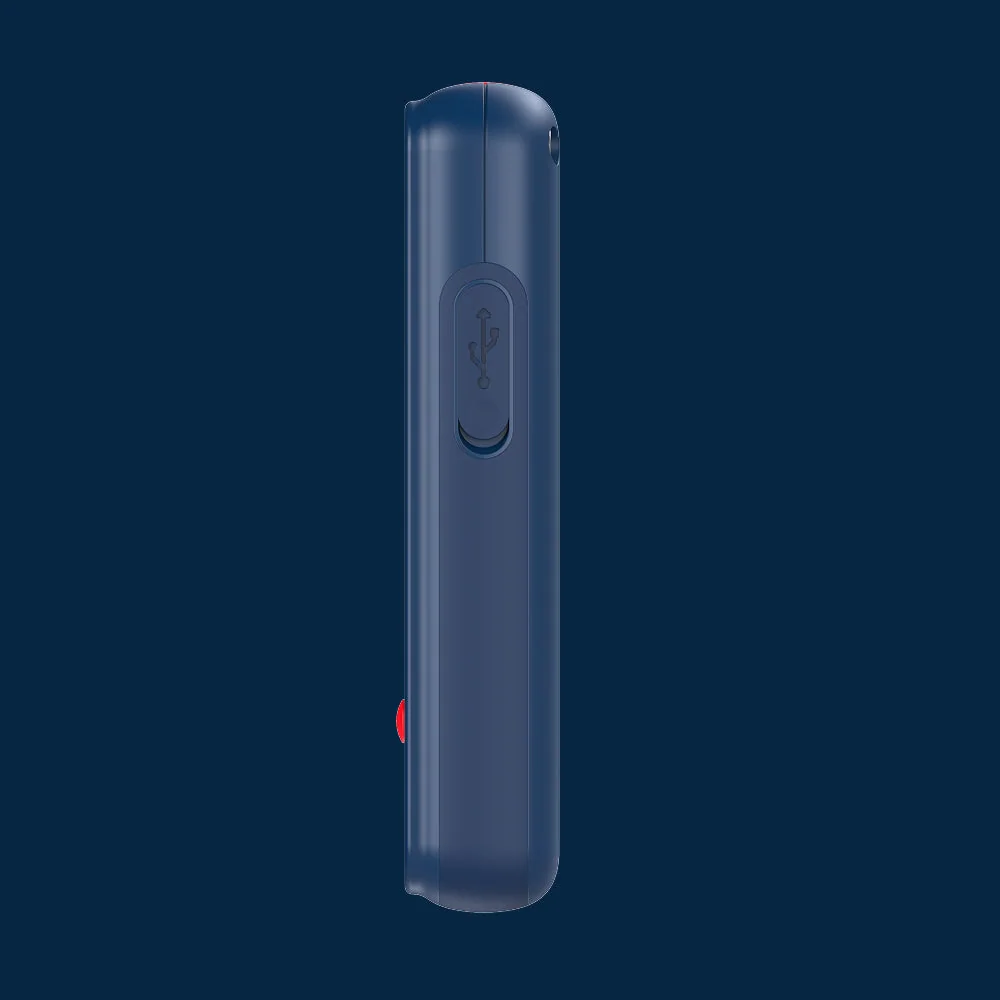
The lithium-ion battery is rated for up to 300 hours and charges by USB-C. The same port can provide emergency power to a phone, while the transceiver’s own energy supply is intended to retain priority. Bluetooth Low Energy connects it to the app. The published operating range is −20 to +45 degrees Celsius; dimensions are 67 × 130 × 24 millimetres and weight is 225 grams.
What is our editorial assessment?
We have not yet tested the nivia 3D finder. Before scoring it, its 3D guidance, signal stability, fine search, multiple-burial handling, glove operation, cold performance and search-to-send transition need repeatable testing. nivia’s claim of up to 30 percent time saving therefore remains a manufacturer statement rather than a Splitboarding.eu measurement.
A built-in battery simplifies charging but requires a fixed check routine and a clear long-term service path. Additional guidance must not lead users to neglect conventional search technique and regular practice.
What is included and what else do you need?
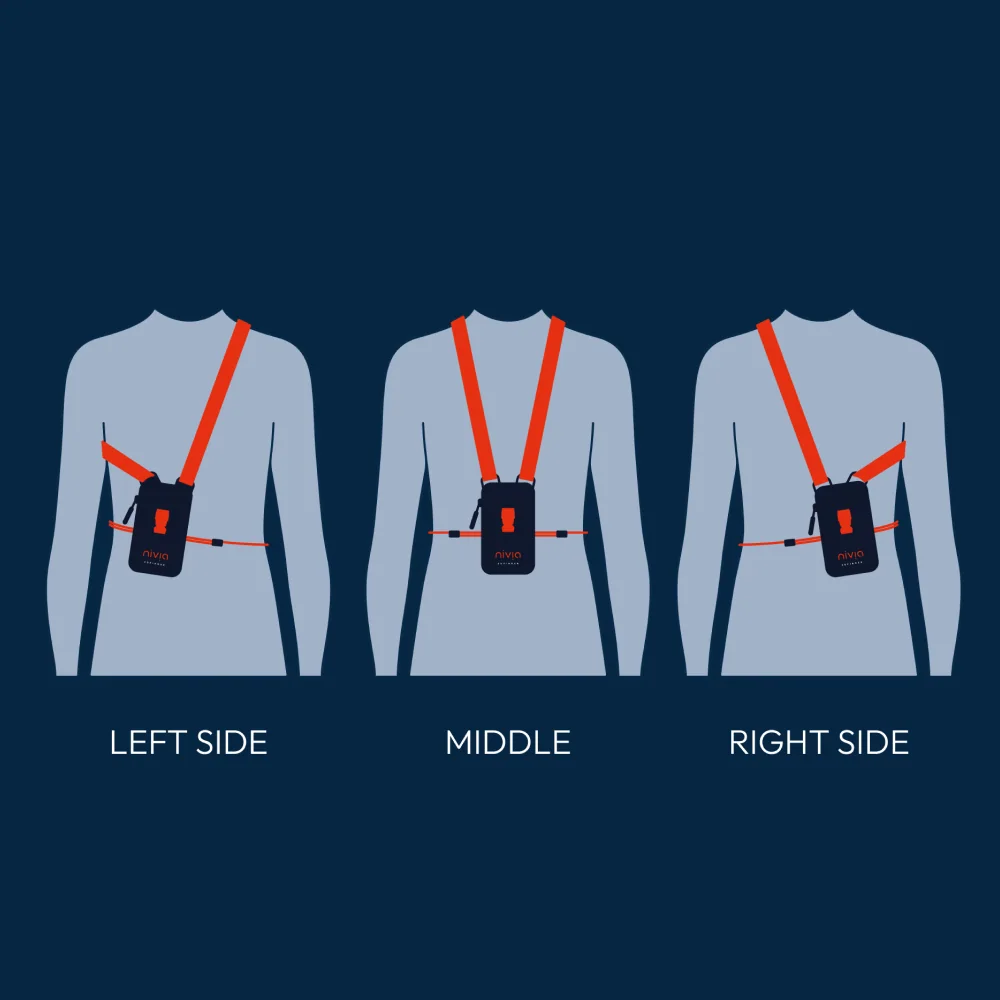
The product page lists the device and harness; verify the current package directly with the manufacturer. A strong metal shovel, a fully tensioned probe and regular rescue training are also required. Electronic devices must observe the prescribed spacing from the transceiver.
Our nivia 3D finder news overview explains the operating concept in more depth. Current product information: nivia.
Frequently asked questions
Does GPS guidance replace the avalanche signal?
No. Transmission and search still use 457 kHz. According to nivia, GPS-assisted 3D technology adds guidance during the search.
Has Splitboarding.eu tested the nivia 3D finder?
No. We have not yet tested this transceiver in the snow, so it has neither a test score nor an award.
Which rescue equipment is still required?
A metal shovel and avalanche probe always belong in the pack. Training, a group check and regular practice are equally part of the system.
- Category: three-antenna avalanche transceiver
- Search-strip width: maximum 70 m
- Range: X 50 / Y 50 / Z 40 m
- Battery: lithium-ion, up to 300 hours
- Manufacturer source: nivia
Product Images (8 Photos)
Show all 4 more images