If switch riding belongs on your tour, a true twin deserves a separate comparison. TahoeLab’s Twin Split pairs symmetrical nose and tail with a centred stance, a different starting point from a strongly directional powder shape. This page covers the Phantom carbon build.
Is the TahoeLab Twin Split Phantom 26/27 right for your tours?
Freestyle splitters get zero taper and zero setback. Camber between the feet and rocker at both ends suit the balanced idea. That does not automatically mean soft: TahoeLab places the Twin shape at 7/10 on its scale.
The Phantom version uses four full carbon sheets on a bamboo core. TahoeLab also describes damping materials. We do not infer a specific gram saving for your size. Phantom names the board construction here, not an included Phantom binding.
What matters on the skin track?
A twin still needs suitable width for your boots on the ascent. Longer sizes become substantially wider, so extra length is not solely about composure. Match touring and riding modes to your preferred stance when choosing the binding setup.
How do you choose length, width and stance?
148, 153, 158, 163, 168 and 173 cm span waists of 245–278 mm. Check the rider range and dimensions of your actual version. Small differences between standard and Phantom tables are not silently replaced with figures from the other page.
How should boots, bindings and skins work together?
Boot fit, board width and lateral support work together. An oversized boot moves before your pressure reaches the edge. Match binding size to the actual boot and the highback to your weight. Playful descending need not mean a touring setup that collapses sideways. Practise the complete transition at home using the interface and screws you will actually carry. For skins, consider length, trimming and suitable nose and tail fittings. A general splitboard description does not approve every interface.
Read more in our Splitboard Gear Guide.
Which of our test experiences help you choose?
We have not yet tested the TahoeLab Twin Split Phantom ourselves. This advice uses current manufacturer information and our Gear Guide principles. Earlier model introductions provide development context rather than our own riding tests. Manufacturer flex, damping and terrain numbers are therefore not converted into our editorial scores.
For a demo, choose a suitable size with your own boots and keep a familiar stance where possible. Check whether the board feels manageable in slow turns as well as at speed. After a longer climb, it can become clearer whether width and flex match your effort. A board may be enjoyable on an open powder face yet unnecessarily demanding on a tight exit. Include that combination of your typical touring conditions in the comparison.
What has changed since 25/26 and earlier models?
TahoeLab includes this version in its current regular range without assigning every change to a model year. This is our guide for the 26/27 season rather than a claim of a newly developed annual construction. Compare actual shape, dimensions, build and hardware with an earlier offer.
What is included in the price and what else do you need?
Budget for suitable bindings, their interface and skins in the complete setup price. Check actual package contents rather than assuming a complete touring setup from a product photograph. The original price is quoted in US dollars. For a European order, account for shipping and possible import costs in the actual offer; we do not invent a euro conversion.
Which alternatives should you compare?
Compare TahoeLab Twin Split and TahoeLab Directional Twin Split. The shape and usage differences are discussed above. A demo is especially useful when deciding between widths or constructions. Use your own boots and a familiar stance where possible, so you can identify what changed the feel instead of comparing two entirely different setups.
FAQ: What should you know before the first tour?
What differs between standard and Phantom?
The Phantom version uses four full carbon sheets on a bamboo core. TahoeLab also describes damping materials. We do not infer a specific gram saving for your size. Phantom names the board construction here, not an included Phantom binding.
Which length and width suit me?
148, 153, 158, 163, 168 and 173 cm span waists of 245–278 mm. Check the rider range and dimensions of your actual version. Small differences between standard and Phantom tables are not silently replaced with figures from the other page.
Have you tested this board yourselves?
We have not yet tested the TahoeLab Twin Split Phantom ourselves. Our assessment uses manufacturer information and our Gear Guide. We do not assign our own riding scores to it.
How should boots, bindings and skins fit the board?
Boot fit, board width and lateral support work together. An oversized boot moves before your pressure reaches the edge. Match binding size to the actual boot and the highback to your weight. Playful descending need not mean a touring setup that collapses sideways. Practise the complete transition at home using the interface and screws you will actually carry. For skins, consider length, trimming and suitable nose and tail fittings. A general splitboard description does not approve every interface.
What is included in the price and what else do you need?
Budget for suitable bindings, their interface and skins in the complete setup price. Check actual package contents rather than assuming a complete touring setup from a product photograph. The original price is quoted in US dollars. For a European order, account for shipping and possible import costs in the actual offer; we do not invent a euro conversion.
What differs from the previous season?
TahoeLab includes this version in its current regular range without assigning every change to a model year. This is our guide for the 26/27 season rather than a claim of a newly developed annual construction. Compare actual shape, dimensions, build and hardware with an earlier offer.
Which sizes and specifications does the manufacturer list?
Sizes: 148, 153, 158, 163, 168, 173 cm. These are manufacturer specifications, not our own measurements. Pound figures also include rounded kilogram conversions; missing values remain unspecified.
| Size / stance | 148 | 153 | 158 | 163 | 168 | 173 |
|---|---|---|---|---|---|---|
| Waist Width: | 245mm | 255mm | 260mm | 267mm | 273mm | 278mm |
| Nose Width: | 285mm | 296mm | 302mm | 310mm | 317mm | 324mm |
| Tail Width: | 285mm | 296mm | 302mm | 310mm | 317mm | 324mm |
| Taper: | 0mm | 0mm | 0mm | 0mm | 0mm | 0mm |
| Sidecut Radius: | 7.5m | 7.8m | 8m | 8.7m | 9m | 9.3m |
| Stance Width: | 17-21.5'' | 19-23.5'' | 20-24.5'' | 20-24.5'' | 23-27.5'' | 26-30.5'' |
| Stance Setback: | 0mm | 0mm | 0mm | 0mm | 0mm | 0mm |
| Running Length: | 94cm | 98.5cm | 103cm | 108cm | 112cm | 116cm |
| Rider Weight: | 90-160lbs (approx. 41–73 kg) | 120-180lbs (approx. 54–82 kg) | 140-200lbs (approx. 64–91 kg) | 150-220lbs (approx. 68–100 kg) | 160-240lbs (approx. 73–109 kg) | 170lbs + (approx. 77+ kg) |
Where do the data and images come from?
TahoeLab Twin Split Phantom – manufacturer page. Checked 19 October 2026. Product images and size charts come from the manufacturer.
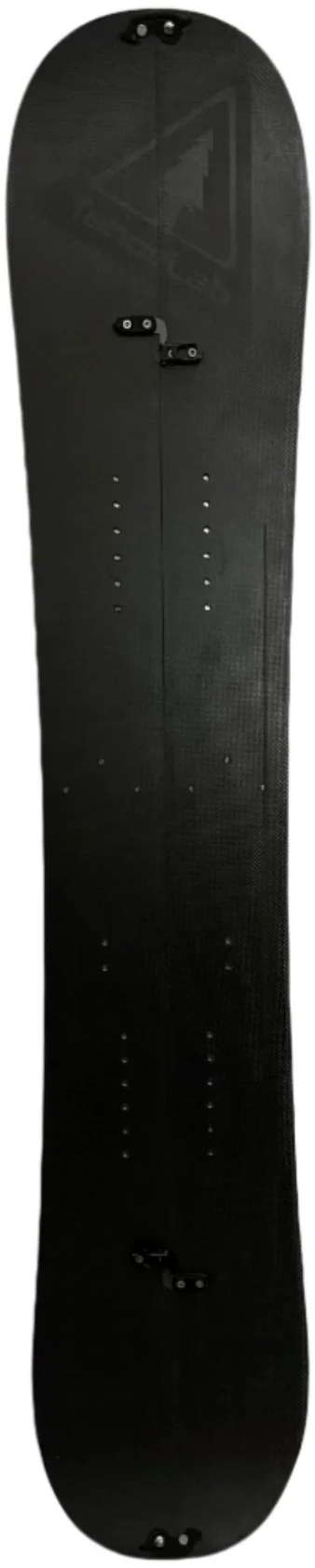
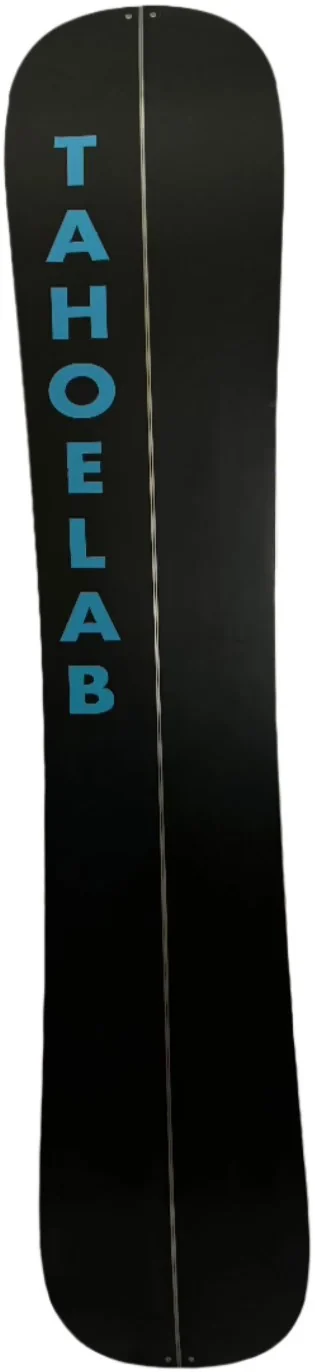
What does the board look like? (2 photos)