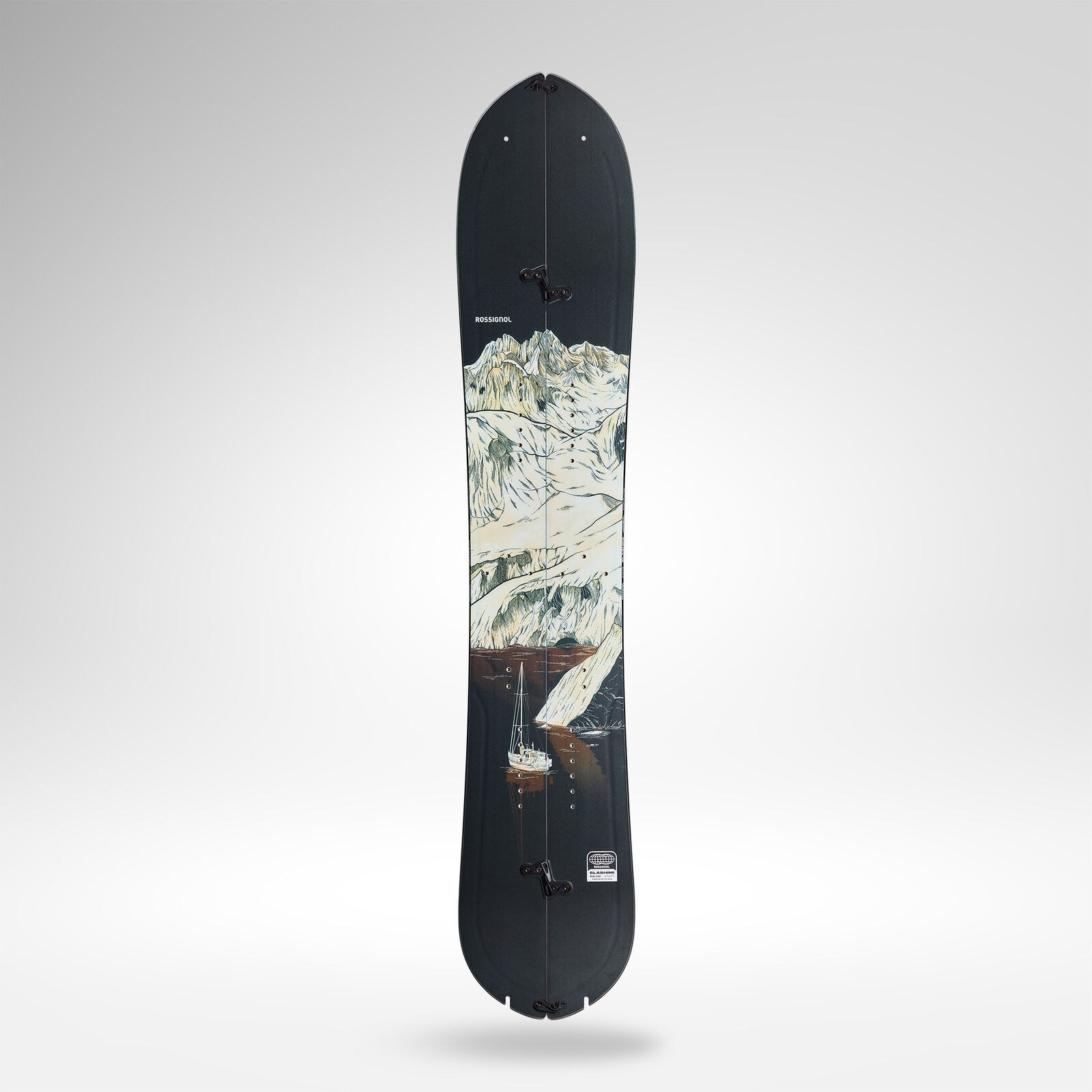
Deep snow with a broad grin, but enough support for variable conditions: that is Rossignol’s Sashimi idea. Today’s XV Sashimi remains a directional freeride concept with a pronounced powder emphasis.
Is the Rossignol XV Sashimi Splitboard 26/27 right for your tours?
Freeride splitters who do not ride only perfect snow have a useful comparison here. Our experience on the tested 156 showed plenty of powder fun and surprisingly useful climbing. The current size selection belongs to a different version, however.
What does the shape offer on the descent?
Rossignol describes revised tuning with additional tail grip on the current model. AmpTek Elite Rocker remains part of the concept. Consider how much of your day involves directional riding and how much switch. The Sashimi is not a twin for repeated freestyle landings.
What matters on the ascent?
A broad powder shape still needs to work with your boots on the climb. We liked the test board’s grip but saw room to improve kick-turn balance. We have not separately ridden the present version to establish how it changes that.
How do you choose the right size?
Current sizes are 152, 155, 158 and 161 cm. The editor explicitly confirmed our 156 cm test length; it is not a typo for 155. The impressions and 3.4 kg measurement belong to that ridden 156, not automatically today’s model.
How do boots, bindings and board work together?
A suitable setup needs lateral support without making relaxed powder riding unnecessarily demanding. Check boot overhang, heel hold and highback pressure transfer. Match skins to the length and fittings of your actual board.
Plan the touring setup as a whole: a lighter board offers little benefit if your boot lacks support or excessive width makes every traverse tiring. Choose a suitable board for your descents, then match boots, highback and bindings. Skins also need the right length, width and attachments. Before the first tour, practise a complete transition at home with the actual components you will carry.
Read more about matching your equipment in our Splitboard Gear Guide.
Which of our test experiences help you choose?
Our new Sashimi report comes from the 26/27 test notes. We rode a 156 cm board weighing 3.4 kg. The editorial team has confirmed 156 cm; it is not a typo for the currently offered 155. Rossignol now lists 152, 155, 158 and 161 cm, so this test explicitly concerns the earlier version.
The Sashimi was in its element in powder: it floated well, surfed naturally and stayed stable at higher speeds. The tail provided useful support. We liked being able to ride it from either the front or rear foot. For us it was a powder machine with more ability beyond deep snow than its distinctive shape might initially suggest.
Despite its width, it climbed well. The test board held an edge and did not sink far into the track. We would have preferred the touring bracket slightly farther forward for easier kick turns. On piste it was not a particularly playful freestyle board, but we enjoyed carving and its edge hold. The diagrams on the right show this 156 cm board’s individual scores. They help with model comparison and are not a new measurement of today’s 155.
Our earlier test reports: Rossignol Sashimi Split 21-22.
What has changed since the previous season and earlier models?
Rossignol identifies this version with 26/27. The current product page does not publish a complete list of technical changes from 25/26. A season label alone therefore establishes neither a new shape nor improved riding feel. Compare length, width, construction and hardware of the two actual boards. Moving between standard and carbon versions is a comparison of different builds as well as model years.
Which alternatives should you compare?
Compare Rossignol XV Splitboard and Rossignol After Hours Splitboard. The differences in riding style and use are discussed above. A useful demo starts with comparable sizes, your own boots and a familiar stance. What matters is whether the board also suits you in tight terrain and after a long climb.
FAQ: What should you know before the first tour?
Does the 156 test establish how today’s 155 rides?
No. The confirmed 156 cm test board is an earlier version. Today’s 155 does not inherit direct test scores from it. The report and diagrams are explicitly presented as a comparison.
How do I choose length and width?
Current sizes are 152, 155, 158 and 161 cm. The editor explicitly confirmed our 156 cm test length; it is not a typo for 155. The impressions and 3.4 kg measurement belong to that ridden 156, not automatically today’s model.
Have you tested this board yourselves?
Yes, the earlier Sashimi in confirmed 156 cm. Our report and scores belong to that test board, not the current 155 cm version.
How should I match boots and bindings to the board?
A suitable setup needs lateral support without making relaxed powder riding unnecessarily demanding. Check boot overhang, heel hold and highback pressure transfer. Match skins to the length and fittings of your actual board.
What is included in the price and what else do you need?
Budget for suitable skins, bindings and the required interface. Check actual package contents so your price comparison includes the same parts.
What differs from the previous season?
Rossignol identifies this version with 26/27. The current product page does not publish a complete list of technical changes from 25/26. A season label alone therefore establishes neither a new shape nor improved riding feel. Compare length, width, construction and hardware of the two actual boards. Moving between standard and carbon versions is a comparison of different builds as well as model years.
Which sizes and specifications does the manufacturer list?
The table shows manufacturer specifications, not our own measurements. Sizes in the current model range: 152, 155, 158, 161 cm.
| Size (cm) | Profile |
|---|---|
| 152 | AmpTek Elite Rocker |
| 155 | AmpTek Elite Rocker |
| 158 | AmpTek Elite Rocker |
| 161 | AmpTek Elite Rocker |
Where do the information and images come from?
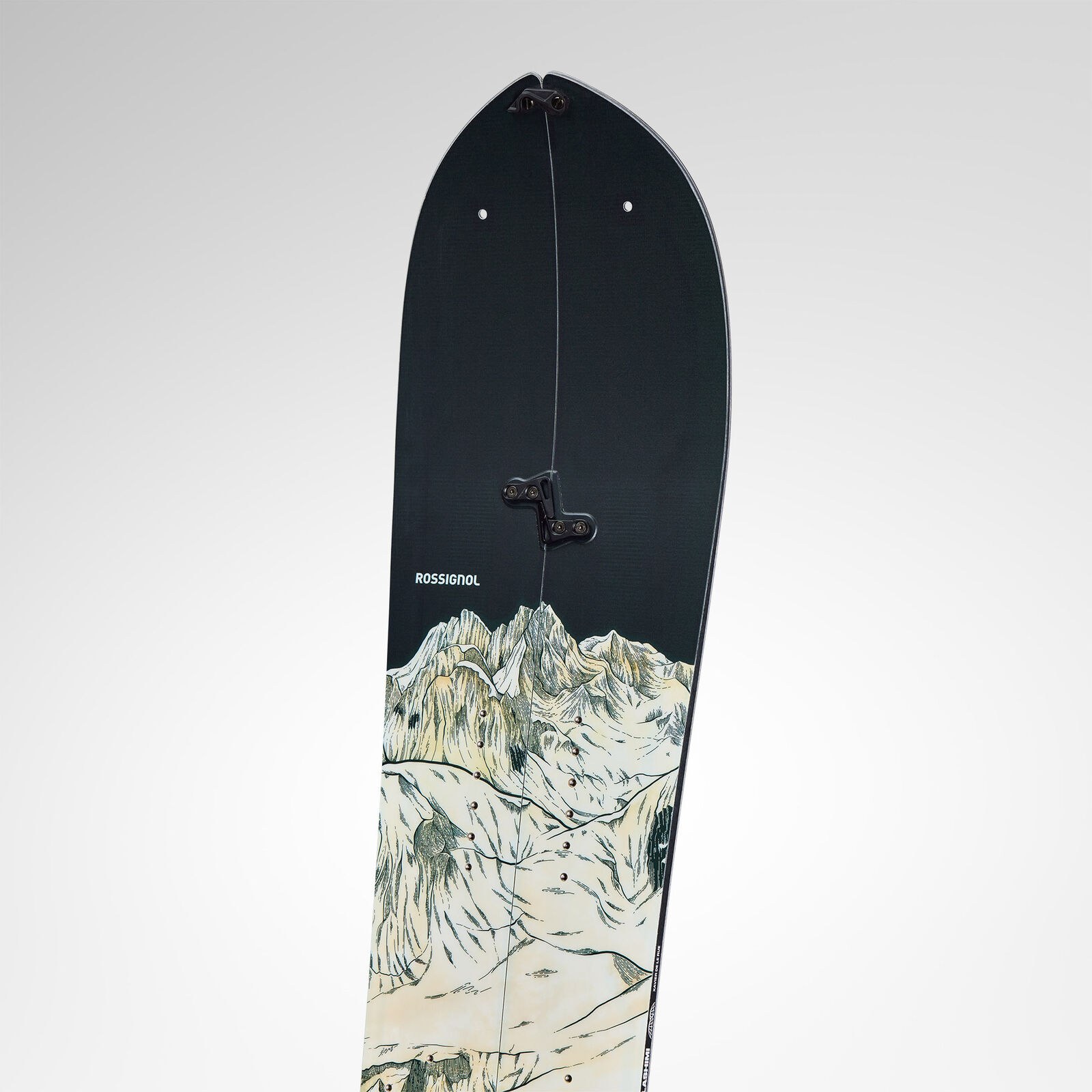
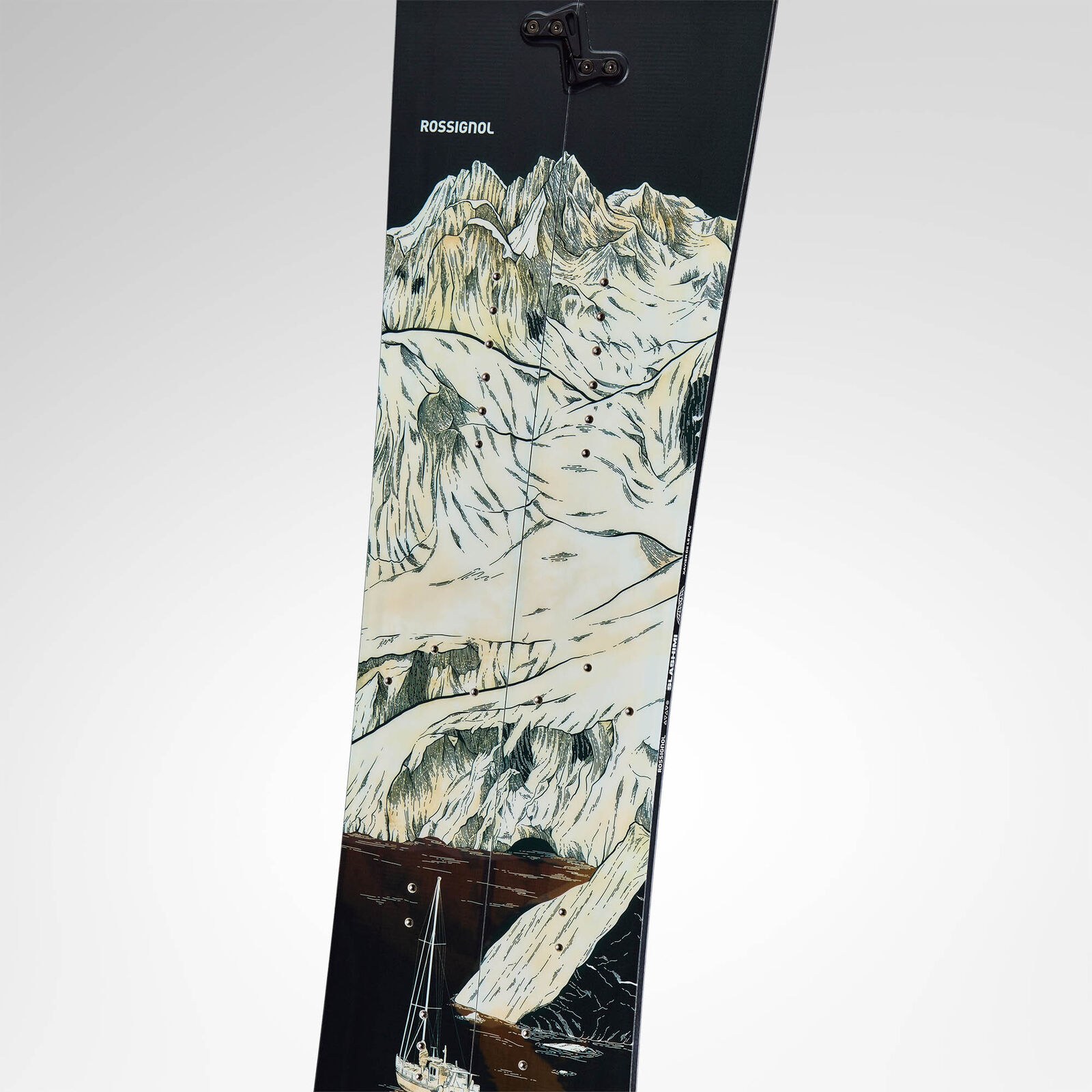
Rossignol XV Sashimi Splitboard – manufacturer page. Checked 16 October 2026. Product photographs and size charts come from the manufacturer. Our own test experience is assigned to the ridden board in the test section.
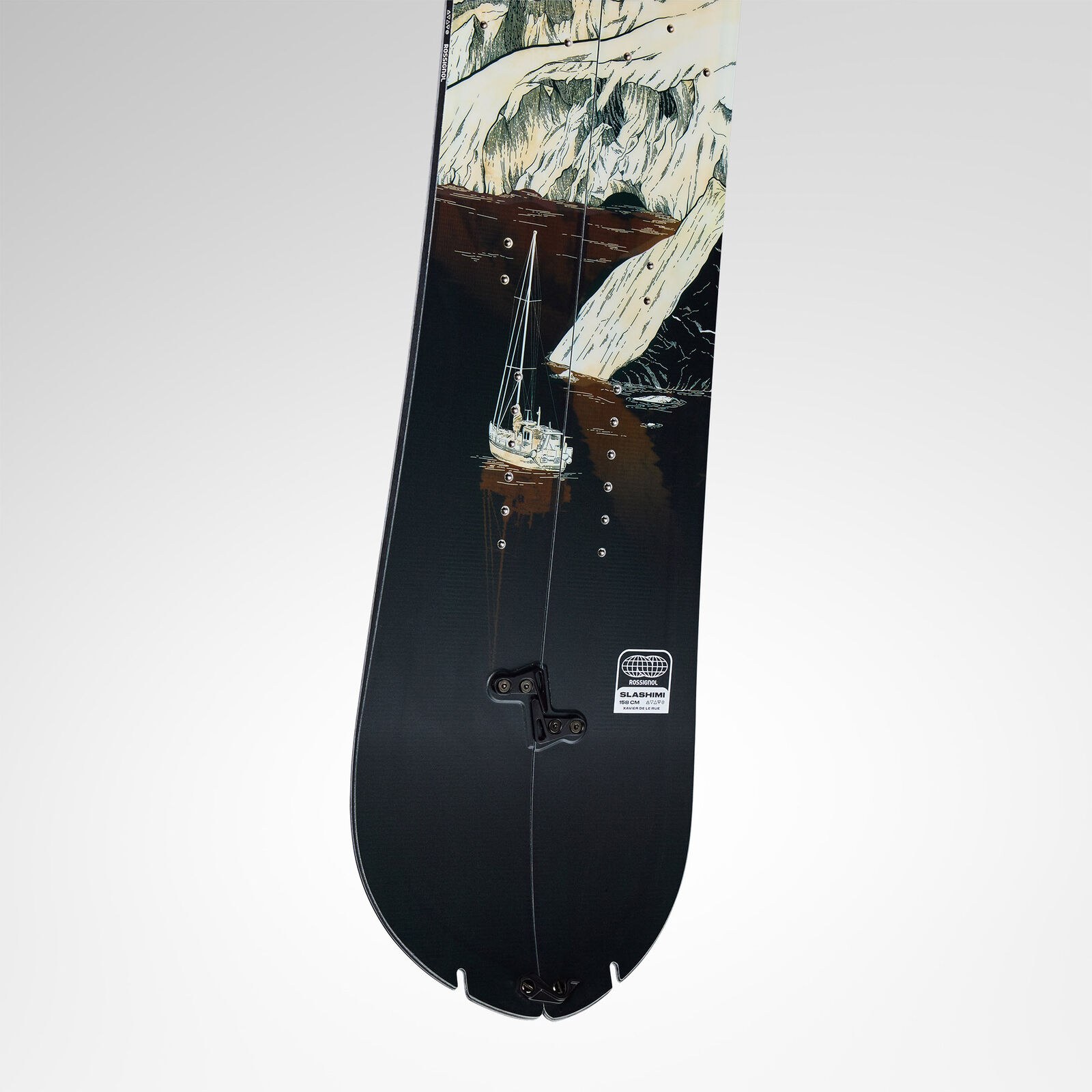
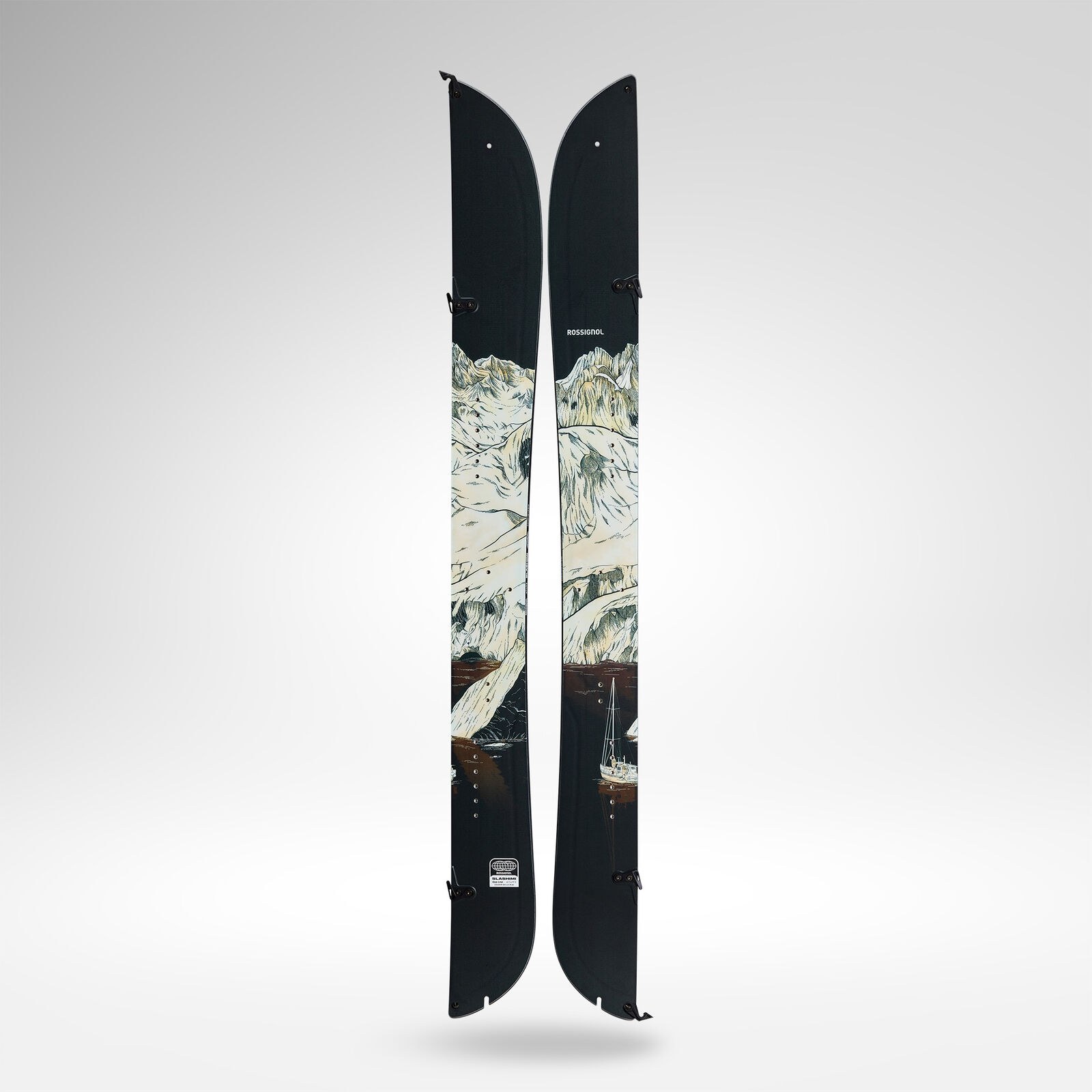
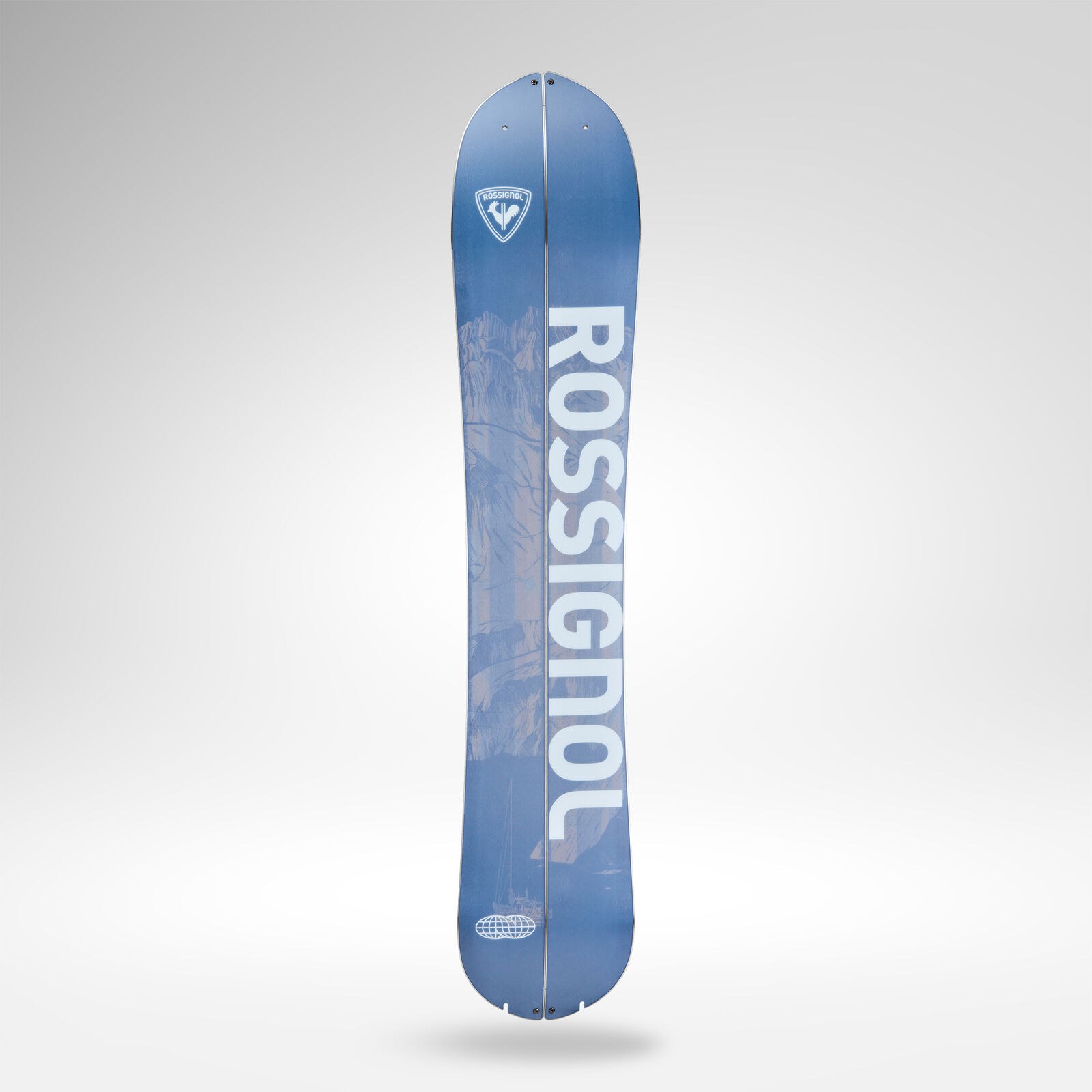
What does the board look like? (6 photos)
Show 2 more images